Tacloban School Shooting Exposes Gaps in Juvenile Justice System
The mother of a victim in the Tacloban school shooting lamented the leniency towards minors committing heinous crimes and the inadequacy of the 'Bahay Pag-asa' reform facility. A Senate hearing discussed amendments to the Juvenile Justice Law and the need for separate facilities for minors who commit grave offenses.
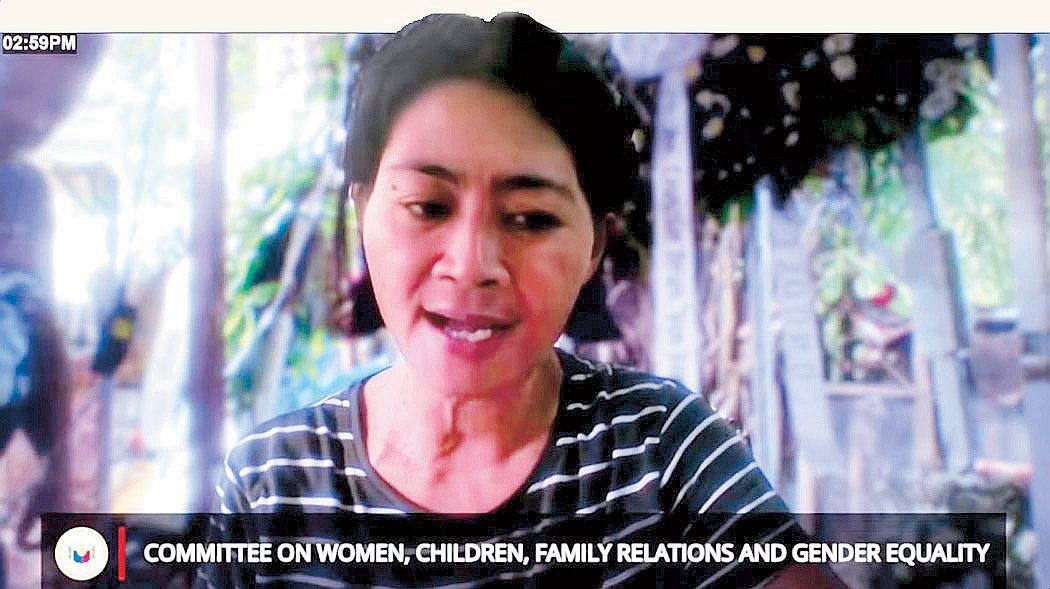
MANILA, Philippines — The mother of a girl who was killed in the Tacloban school shooting turned emotional and lamented the lack of criminal liability for the 14-year-old minor accused of shooting her daughter. Jennelyn Badoria, mother of 15-year-old Joyancee Separa, virtually attended yesterday the Senate hearing on the proliferation of online harmful content that allegedly influenced the suspects – alias “Nash,” 14, and “Rod,” 15 – who opened fire in their school, killing three students, including Badoria’s daughter. Seeking reforms, Badoria expressed frustration over how the minors would only be placed in a child reform facility instead of facing what she believes should be proportionate punishment. “The one who shot my child supposedly has no criminal liability… But that child killed someone, killed a person. So what, they will just be placed in Bahay Pag-asa?” she said. She agreed with Sen. Raffy Tulfo’s opening statement that minors who commit heinous crimes should be detained in a facility separate from Bahay Pag-asa, where children undergo counseling and intervention for reformation. “So they would also feel the pain, the punishment they deserve. They should be disciplined too,” she said. Tulfo lamented that only 28 of the 117 Bahay Pag-asa have complied with the standards set by the Department of Social Welfare and Development (DSWD), and that only 33 of the 82 provinces have the child reform facility, with Tacloban having no Bahay Pag-asa. He revealed that there are 1,026 incidents of “unauthorized departures” of children in conflict with the law from these centers. “I believe they should not be mixed with hardened criminals. Everybody believes that. But the message that every action has consequences should not be lost… We should show that every wrongdoing has a corresponding punishment,” he said. DSWD Secretary Rex Gatchalian said he will defer to Congress on possible amendments to the Juvenile Justice and Welfare Act, including proposals for a separate facility for minors who commit heinous crimes. During the hearing, police Staff Sgt. Arla Paciencia, owner of the pistol allegedly used in the shooting, admitted she brought her nephew “Nash” to a firing range despite being a minor, saying she only wanted to show him the facility as he aspired to become a police officer like her. Paciencia said the suspect later broke into her home and stole her 9mm Glock pistol, which was kept in a locked cabinet. “He forcibly damaged my locker. It was locked. My house was locked as well… It was in good faith. I believed it was safe at that time, since I’m the only one staying in my own house,” she said. The police sergeant said she was not aware of any prohibition on minors from entering firing ranges, prompting Hontiveros and Tulfo to criticize her for being a negligent guardian who influenced the minor to have violent tendencies. One victim’s sister, Janica Bituin, said “Nash” was a best friend of her brother, but this did not stop him from shooting the victim in the back. Another parent, Rolando Lapidario, described his daughter as a hero for blocking a door and being shot in the thigh. Both injured students are recovering. At the end of the hearing, Badoria stressed that the parents and guardians should be held accountable, particularly Paciencia for allegedly influencing her nephew to use her personal firearm. Believing that the minors were also “victims” of their parents’ negligence, she said: “I understand what the child went through. But what was the reason he ended up like that? Lack of proper guidance. I want the parents to be held accountable, especially the owner of the gun. She was the one who taught him how to use a firearm.” Malacañang vowed justice for the victims, with officials confirming that President Marcos extended more than P1 million in financial assistance to affected families. Families of the deceased received P150,000 each, while the 18 students who suffered injuries were given P50,000 each. – Alexis Romero, Bella Cariaso
多角的分析
今回の事件は、未成年者の凶悪犯罪に対するフィリピンの司法・更生システムの課題を浮き彫りにしました。特に、オンライン有害コンテンツへのアクセスが容易な現代において、未成年者の精神的発達や行動への影響は経済的・社会的なコスト増につながりかねません。更生施設の不備や、加害者への処罰の甘さは、将来的な再犯リスクを高め、社会全体の安全保障コストを増大させる可能性があります。また、被害者家族への経済的支援は一時的なものですが、長期的なケアや社会復帰支援は、公的財政への負担となり得ます。
フィリピンにおける未成年者の凶悪犯罪と、それに対する法制度の不備は、国内の治安リスクに対する投資家の懸念を増幅させる可能性があります。特に、オンライン有害コンテンツへの規制の遅れは、若年層の社会への影響を予測困難にし、ビジネス環境の不確実性を高めます。法制度の不確実性は、長期的な投資判断においてリスク要因となり得ます。一方、被害者支援や更生プログラムへの投資は、社会の安定化に寄与し、間接的に投資環境の改善につながる可能性も秘めています。
タクロバンでの学校銃撃事件は、未成年者による凶悪犯罪の増加と、それに対するフィリピン社会の対応能力の限界を露呈しました。犠牲者の母親が訴えるように、加害少年が「Bahay Pag-asa」のような施設に収容されるだけで済むことへの不満は、社会の正義感との乖離を示しています。オンライン有害コンテンツへのアクセスが容易な環境は、特に若年層の精神的発達や行動に影響を与え、家庭や学校での適切な指導の重要性を浮き彫りにしています。また、銃器の管理体制や、保護者の監督責任のあり方についても、社会全体で再考が求められています。被害者家族への支援は行われましたが、社会全体として、このような悲劇を繰り返さないための根本的な対策が問われています。
今回の事件は、フィリピン市民、特に子供を持つ親たちにとって、深い不安を呼び起こすものです。犠牲者の母親の悲痛な叫びは、多くの親が抱く「子供が加害者にも被害者にもなりうる」という現実への恐怖を代弁しています。加害少年が更生施設に入れられるだけで済むという現状は、被害者とその家族の無念を晴らせないばかりか、「悪いことをしても大した罰を受けない」というメッセージを社会に与えかねず、市民の間に不信感を生じさせています。また、銃規制やオンラインコンテンツの管理といった、政府の役割に対する期待と、その実効性への疑問も浮き彫りになっています。市民は、子供たちが安全に成長できる社会、そして万が一の際に、正義が実現される社会を求めています。
背景・歴史的文脈
フィリピンでは、2006年に制定された少年司法福祉法(Juvenile Justice and Welfare Act)により、15歳未満の未成年者は刑事責任を問われず、更生施設での保護・更生措置が取られる。しかし、近年、未成年者による凶悪犯罪が増加傾向にあり、特にオンライン有害コンテンツの影響が指摘されている。2019年には、同法改正案が議会で議論され、12歳以上の未成年者にも刑事責任を問うべきだとする意見が出されたが、最終的には見送られた。今回のタクロバンでの事件は、これらの議論を再燃させる契機となった。
原文ソース
Philstar Nation