China's Economic Influence: How Indonesia Navigates 'Subversive Carrots'
China's economic influence is not solely based on 'debt-trap diplomacy' but also employs 'subversive carrots' like bribery and illicit deals. Recipient countries, including Indonesia, possess agency to circumscribe this influence through domestic institutions. However, China's adeptness at fostering divisions necessitates vigilance.
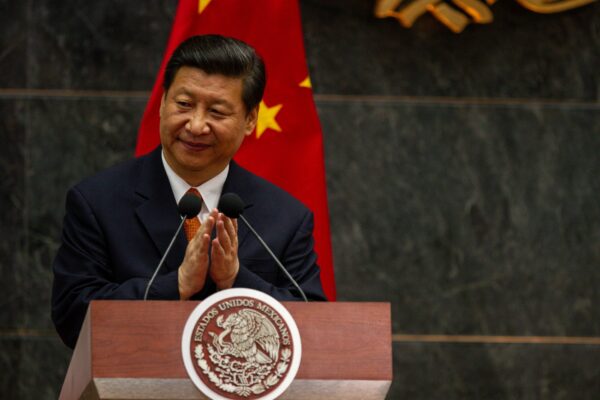
Read The Diplomat, Know The Asia-Pacific “Economic statecraft is not as simple or easy as Chinese decisionmakers think or as U.S. policymakers and external observers might fear,” argues Audrye Wong, author of a new book on the topic. China’s President Xi Jinping during a state visit in Mexico City, June 6, 2013. China’s economic rise at home has expanded outward, with an influx of Chinese investment, aid, and loans overseas, particularly since the launch of the Belt and Road Initiative in 2013. Analysts abroad, especially in the United States, often see these financial levers as a channel for Chinese influence. The thesis behind “debt trap diplomacy,” for example, holds that China uses loans to ensnare recipient governments in debt, then pressures them for concessions in exchange for flexible repayment conditions. But has China’s growing economic engagement abroad actually translated into political influence? That’s exactly the question Audrye Wong, a senior fellow at the American Enterprise Institute, explores in her new book, “Subversion and Seduction: China’s Economic Statecraft” (Oxford University Press, 2026). She finds that China’s economic influence is closely tied to positive inducements, not punitive measures like sanctions or debt penalties. Even then, “Recipient countries actually have considerable agency in shaping and even circumscribing China’s economic influence,” Wong told The Diplomat in a written interview, “and that’s a point often overlooked by those focused on the high-level bilateral U.S.-China competition. Continue reading for the full interview. Your book focuses on a big picture question: has China’s economic statecraft actually succeeded? Do you think Western pundits have overestimated the extent to which China’s economic engagement translates to political influence? Have Chinese policymakers overestimated this? My book argues that economic statecraft is not as simple or easy as Chinese decisionmakers think or as U.S. policymakers and external observers might fear. Success depends on the way China approaches economic inducements and who they approach. Recipient countries actually have considerable agency in shaping and even circumscribing China’s economic influence, and that’s a point often overlooked by those focused on the high-level bilateral U.S.-China competition. We have seen many instances of public and political pushback against corrupt Chinese-financed projects in the Philippines, Malaysia, and other countries. This is not to say China’s economic statecraft should be dismissed. It has used carrots to achieve short-term transactional goals, such as getting Greece and Hungary to veto a multilateral EU statement critical of China. It has also been able to buy silence and acquiescence, among both governments and companies, on issues that Beijing cares about, such as the horrific human rights abuses and extralegal detention of Uyghurs in Xinjiang. While not fundamentally winning hearts and minds or creating new allies, Beijing has used economic statecraft to divide and conquer. In present-day Germany, we see the political influence of business groups invested in continued economic ties with China alongside internal divisions among politicians and key ministries on national strategy toward China. Creating divisions helps to inhibit the formation of a U.S.-led coalition to counter China’s behavior and influence, and slows any concerted policy shifts away from the status quo of China’s centrality in the global economy and critical supply chains. Is China’s use of economic statecraft unique, or does its strategy borrow from well-established playbooks? Compared to Washington’s tendency to focus on sanctions and coercive aspects of economic statecraft, China has been quite concerted and sustained in its use of positive inducements – using trade, investment, and aid to entice countries to fall in line with Beijing’s foreign policy interests. Of course, many countries hope to use economic tools to secure their political interests, but China is undoubtedly unique in its ability to mobilize capital at scale and in coordination with the regime’s political goals. Not every economic transaction or investment project is geopolitically-motivated, but the Chinese state is quite happy to leverage those linkages when it sees fit. Foreign aid is also blended with commercial loans and state-backed investments, and often structured to tie in construction contracts with Chinese companies. So China is able to move faster in making promises, sealing the deal, and bringing in the capital, making it quite enticing for many developing countries even if the terms are not always the most favorable or sustainable. Another dimension of China’s economic statecraft that is relatively unique is its use of what I call “subversive carrots” – corrupt projects and deals circumventing the rule of law. China’s domestic political economy is characterized by cozy state-business relations – where continued state control over key economic levers alongside weak institutions in an era of rapid growth meant that companies had to develop symbiotic relationships with political elites. Overseas investment activities are likely to reflect that modus operandi of doing business: Chinese officials and companies tend to want to work directly with political brokers (including offering kickbacks) and bypass troublesome regulations in order to get things done more quickly. Thus we see many instances of China trying to use under-the-table carrots as a perceived quick and easy way to buy over political leaders. You note that the success of China’s economic statecraft hinges on factors in the recipient country, especially its domestic institutions. Has China successfully tailored its economic approach to account for different potential recipients? Yes and no. We see clear examples of China making mistakes, trying to offer subversive carrots as a shortcut but ultimately sparking backlash in recipient countries with strong enough democratic accountability, as with the Northrail project in the Philippines and the East Coast Rail Link in Malaysia. My book examines these cases in detail. So China’s execution of economic statecraft is by no means perfect. At the same time, we see examples of successful “legitimate seduction” in places that matter – working with key political stakeholders and cultivating economic constituencies over time to fall in line with or at least refrain from opposing Beijing’s interests. In Europe, for example, we see China using subversive carrots in Hungary and legitimate seduction in Germany to considerable success, with the net effect of widening divisions on the continent and hampering coordinated efforts by Brussels for tougher policies on China. The Chinese government has certainly learned some lessons from the initial era of the BRI. It sought to clamp down on corruption overseas and rebranded BRI projects as “small yet beautiful” (小而美) – prioritizing sm
多角的分析
中国の経済的影響力は、単なる融資供与に留まらず、贈賄や不正取引といった「悪質なニンジン」を伴う場合がある。これは、中国国内の政治経済における、政治と企業の癒着構造の表れであり、海外でも同様の手法が用いられる可能性がある。インドネシアのような資源国やインフラ開発途上国では、こうした手法が国内の経済制度や法治主義を損なうリスクがある。一方で、中国は「肯定的な誘因」も駆使するため、単純な拒絶は経済的機会損失にも繋がりかねず、受容国は慎重なバランス感覚が求められる。
中国からの投資は、インフラ開発や経済成長の機会をもたらす一方、「悪質なニンジン」を伴う取引は、投資環境の不確実性を高める。汚職や法治の欠如は、外国投資家にとって大きなリスク要因となる。特に、透明性の低い契約や、政治的干渉のリスクは、長期的な投資判断を鈍らせる。インドネシア政府が、中国からの投資を誘致しつつも、国内のガバナンスと透明性を確保できるかが、持続的な投資環境の鍵となる。
中国の経済的影響力は、受容国の国内制度、特に民主的な説明責任が機能しているかどうかに大きく左右される。フィリピンやマレーシアでのプロジェクトに対する反発は、国民が汚職や不正な取引に対して声を上げる力を持つことを示している。インドネシアでは、ジャカルタやスラバヤといった大都市圏で、インフラ開発に伴う住民移転や環境問題、そして中国からの労働者の流入などが、地域社会との摩擦を生む可能性がある。また、SNSなどを通じた情報発信が、こうした問題に対する世論形成に影響を与えることも考えられる。
インドネシア国民にとって、中国からの投資は雇用創出やインフラ整備といった恩恵をもたらす可能性がある。しかし、「悪質なニンジン」を介したプロジェクトは、不透明な契約や環境破壊、地域社会への悪影響といった形で、直接的な生活の質を損なうリスクを孕む。例えば、大規模なインフラプロジェクトが、地域住民の土地収用や生活基盤の喪失に繋がる場合、その正当性や補償のあり方が問われることになる。また、中国からの労働者の流入が、国内の雇用機会に影響を与えるという懸念も市民の間で生じる可能性がある。
背景・歴史的文脈
【歴史的根源と因果構造 200〜350文字】 中国の経済的影響力拡大は、2013年の「一帯一路」構想(BRI)開始以降顕著になった。当初、西側諸国からは「借金漬け外交」による影響力拡大と警戒されたが、オドリー・ウォン氏の分析によれば、中国は制裁ではなく、貿易、投資、援助といった「肯定的な誘因」を巧みに用いる「経済外交」を展開している。この手法は、中国国内の政治経済における、政治エリートと企業の密接な関係(時に腐敗を伴う)を海外にも持ち込む「悪質なニンジン」と、より正当な経済協力という両側面を持つ。受容国側の国内制度の強さや政治的意志が、中国の影響力行使の成否を分ける鍵となる。インドネシアは、インフラ開発における中国からの投資を積極的に受け入れる一方で、国内の透明性やガバナンスの強化が、中国の経済的影響力に対するカウンターバランスとして重要になっている。
原文ソース
The Diplomat Indonesia