Vietnam Enters New Phase of Administrative Reform, Focusing on Efficiency and Capacity Building
Technology
2026年7月1日
6
VnExpress

Vietnam Enters New Phase of Administrative Reform, Focusing on Efficiency and Capacity Building

AI サマリー

Vietnam has entered a new phase of administrative reform, one year after its initial restructuring, focusing on enhancing efficiency and capacity. While streamlining structures and decentralizing power have progressed, challenges remain, including a deficit in local execution capabilities and slow digitalization.

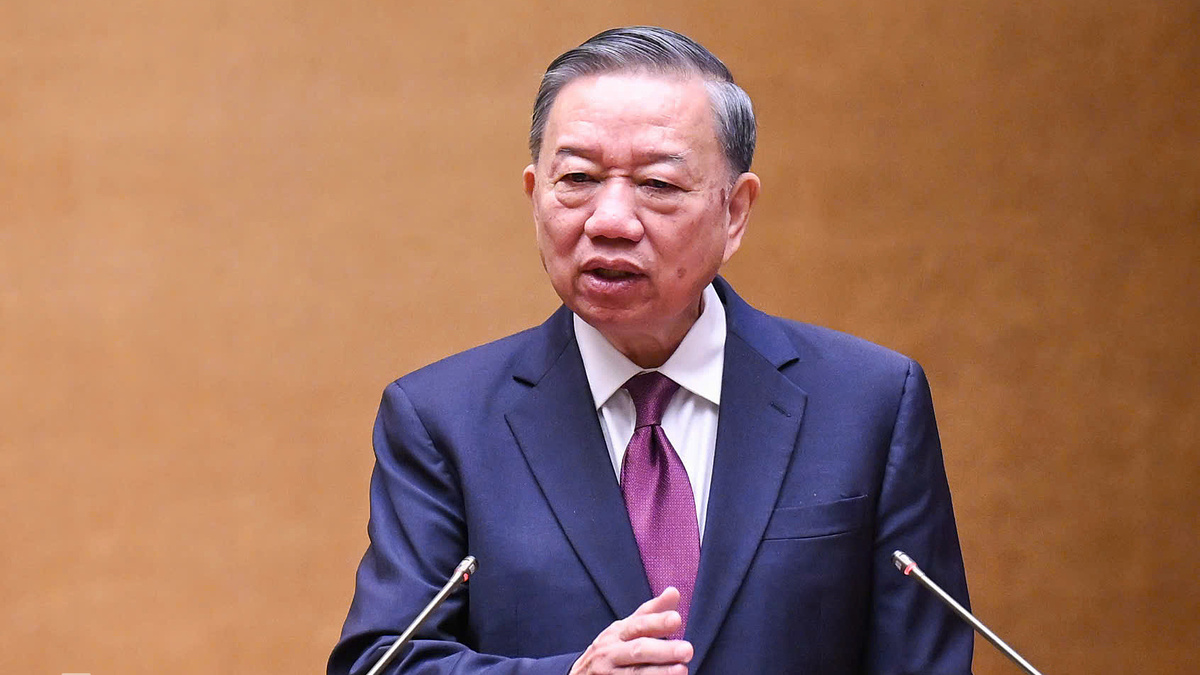
Vietnam is entering a new phase of administrative reform, focusing on enhancing the efficiency and capacity of its state apparatus, one year after the initial restructuring. At a conference on July 1, General Secretary and President Tô Lâm highlighted that this reform is strategically vital for the nation's development and represents a broad, challenging endeavor. The initial phase of the reform saw the streamlining and synchronization of the political system's apparatus from the central to local levels. Numerous redundant units and intermediate layers were cut, and the functions and tasks of various agencies were clarified. The reorganization of Party agencies, administrative bodies, legislative bodies, the Vietnam Fatherland Front, socio-political organizations, and public non-business units was carried out with strong political will and largely met the set timeline and requirements. Furthermore, the perfection of legal frameworks, decentralization of power, simplification of administrative procedures, improvement of the business environment, and the promotion of digital transformation (DX) have been accelerated. New mechanisms, processes, task assignments, performance evaluations, and supervision methods are being formed. The operation of the two-tier local government model has also begun to stabilize, with state management, public service provision, administrative procedures, social security, national defense, security, judicial activities, and public order maintained continuously without management gaps. Provincial and district-level administrations are gradually adapting to their new functions and operational methods. Significant innovations have also been observed in leadership, direction, and execution. Party committees, administrations, agencies, and units have proactively issued working regulations, coordination processes, meeting protocols, responsibility assignments, support for local levels, and solutions for emerging issues. The arrangement and evaluation of cadres now emphasize competence and qualifications aligned with job roles, with management driven by data, progress, and work outcomes. However, General Secretary Tô Lâm pointed out that numerous challenges persist. Key issues include the inconsistency of legal frameworks related to organizational structures, functions, powers, decentralization, and new operating mechanisms in certain areas. The existing legal system also suffers from a lack of synchronization and clarity, particularly concerning the activities of local governments in fields such as science and technology, innovation, land, resources, finance, and budgets. A significant deficit in execution capacity at the grassroots level, especially at the commune level, was highlighted. There is a shortage of cadres specialized in land, urban planning, construction, IT, urban management, and other complex sectors. Many cadres are overburdened with multiple responsibilities, facing immense pressure and public service risks. Evaluations indicate that only 53% of provincial cadres and 30% of commune cadres meet the requirements of their tasks. Moreover, limitations in telecommunications and IT infrastructure, slow and inconsistent digital transformation, fragmented specialized data, and unlinked software systems were noted. For instance, the National Data Center has connected only 5 out of 12 strategic databases and 60 out of 104 specialized databases. Land data remains unstandardized, making data-driven management difficult. Local cadres are forced to use multiple systems and software, reducing operational efficiency and increasing workload. The slow handling of surplus public assets, the provision of office space, and the organization and digitization of archival documents were also identified as problems in many areas. These issues require immediate attention and represent significant potential resources for development. General Secretary Tô Lâm stressed the need to continue the reform with greater determination, scientific approaches, and a stronger spirit of innovation to overcome these challenges. The Vietnamese government is committed to advancing reforms aimed at enhancing the efficiency of its administrative apparatus and improving its capacity to serve the public. Source: VnExpress

多角的分析

経済的影響

ベトナム政府は、行政機構の効率化を通じて、経済成長の基盤強化を図ろうとしている。機構の精簡化や権限委譲は、官僚主義の抑制、意思決定の迅速化、そして民間部門との連携強化に繋がる可能性がある。しかし、地方レベルでの執行能力の不足や、DXの遅れは、経済活動のボトルネックとなり得る。特に、土地や資源に関する法制度の不備は、投資環境の不確実性を増大させ、経済成長の潜在力を削ぐリスクがある。データ管理の不備は、政策立案の精度を低下させ、資源配分の非効率を招くことも考えられる。これらの課題克服には、法制度の抜本的な見直しと、地方行政官の能力開発への集中的な投資が不可欠である。

投資家心理

今回の行政機構改革は、投資家にとって、ベトナムのビジネス環境の改善と将来的な成長ポテンシャルへの期待を高める材料となり得る。機構の精簡化は、許認可プロセスや手続きの迅速化に繋がり、事業展開のスピードアップが期待できる。権限委譲は、地方レベルでの迅速な意思決定を可能にし、地域に根差した投資機会の創出に繋がる可能性がある。しかし、法制度の不備や執行能力の不足は、依然として投資リスクとして残る。特に、土地や資源に関する不透明な規制は、不動産開発や資源関連産業への投資を躊躇させる要因となり得る。DXの遅れは、デジタルインフラへの投資機会を提供する一方で、既存ビジネスにおけるデジタル化の遅延リスクも示唆している。投資家は、改革の進捗と、特に法制度の明確化および地方での執行能力の向上を注意深く見守る必要がある。

社会的影響

行政機構改革は、国民生活に直接的な影響を与える。機構の精簡化は、行政サービスの効率化と迅速化に繋がり、国民の利便性向上に貢献する可能性がある。しかし、地方レベルでの執行能力の不足は、行政手続きの遅延や、地域住民のニーズへの対応の遅れといった問題を引き起こす可能性がある。特に、土地、建設、都市管理などの分野で専門人材が不足していることは、住民の生活基盤に関わる問題の解決を困難にする。DXの遅れは、オンラインサービスの利用を希望する市民にとって不便をもたらし、デジタルデバイドを拡大させるリスクも孕む。また、多くの幹部が複数の職務を兼任し、プレッシャーに晒されている状況は、公務員の士気やサービス品質に影響を与える可能性も否定できない。改革の恩恵が、全ての国民に公平に行き渡るためには、地方での実行能力強化と、デジタル化へのアクセス改善が喫緊の課題となる。

市民の声

地方レベルでの執行能力の不足は、市民が行政サービスを受ける際に直面する具体的な障壁となる。例えば、土地の登記や建築許可の申請などが遅延し、市民の生活設計に影響を与える可能性がある。専門知識を持つ人材の不足は、複雑な行政手続きにおいて、市民が適切なアドバイスを得られず、混乱する状況を生み出すことも考えられる。また、DXの遅れは、オンラインでの申請や情報収集を期待する市民にとって、依然として対面での手続きを強いられる不便さをもたらす。特に、ITリテラシーの低い高齢者などにとっては、デジタル化の遅れが直接的な生活の不便に繋がる。改革の進捗は、市民が行政サービスをより容易かつ迅速に受けられるようになるかどうかにかかっており、地方での実行能力強化とデジタル化の推進が、市民の満足度向上に不可欠である。

背景・歴史的文脈

ベトナムの行政機構改革は、1986年のドイモイ(刷新)政策以降、経済発展と社会の近代化に伴い、継続的に実施されてきた。特に、国家の統治能力向上と経済成長の持続可能性確保のため、官僚制度の効率化、汚職防止、権限委譲が重要な課題として掲げられてきた。2011年の共産党大会以降、機構の精簡化と機能強化は一層重視され、中央集権と地方分権のバランスを取りながら、より効果的な行政運営を目指す動きが加速している。今回の改革は、こうした長年の取り組みの一環であり、特に政治システム全体の機構改革と、地方政府の機能強化に焦点を当てている。これは、ベトナムが経済発展の次の段階に進む上で、行政の効率性と実行能力の向上が不可欠であるという認識に基づいている。

原文ソース

VnExpress

原文を読む