General articles are free for 24 hours after publish.
Vietnam's Extreme Acid Lake: A World-Class Natural Wonder Facing Challenges
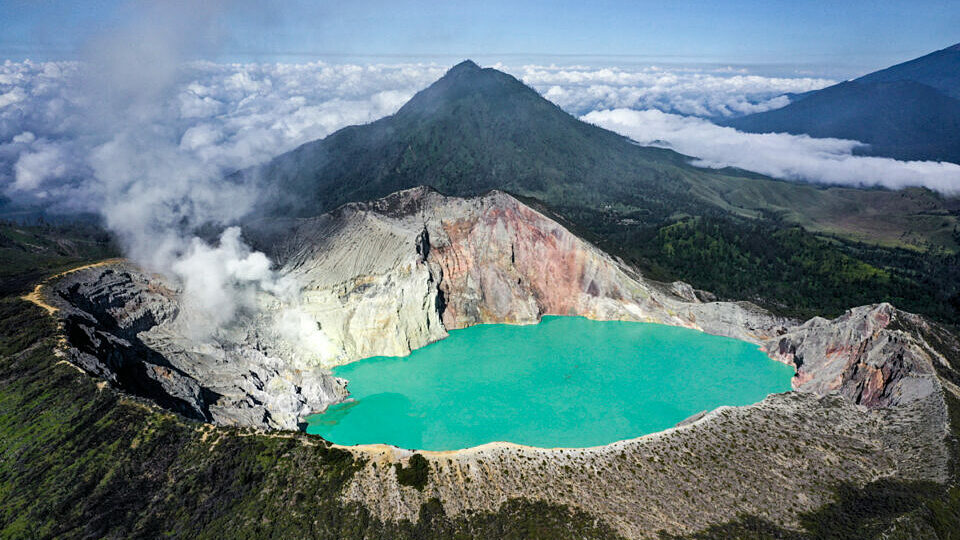
A Vietnamese lake, characterized by extreme acidity with a pH below 0.3, is drawing attention for its unique natural phenomena and potential environmental challenges. The water's high acidity creates a spectacular 'blue flame' effect, raising concerns about its impact on the ecosystem.
A lake in Vietnam, considered one of the world's largest and most acidic, is drawing attention for its extreme water properties and a spectacular natural phenomenon. In many areas, the lake's pH drops below 0.3, indicating an exceptionally strong acidic concentration. Beyond its potent acidity, the lake is renowned for the breathtaking 'blue flame' spectacle that illuminates its surface at night. This captivating display is a testament to the unique chemical composition and environmental conditions that define this natural wonder. Under its one-party communist system, Vietnam has experienced rapid economic growth, particularly in manufacturing and exports, actively seeking foreign investment. However, environmental challenges often accompany this swift development. Issues like water pollution from industrialization and urbanization, and the preservation of natural habitats, are critical for sustainable progress. This highly acidic lake, while holding significant potential as a tourist attraction due to its unique natural heritage, also necessitates careful management. Its specialized environment raises questions about ecological impact and coexistence with human activities. The Vietnamese government faces the challenge of balancing economic development with environmental conservation to protect such invaluable natural assets.
Original source
VnExpress