Cambodia Consults Private Sector on Customs Law Amendments to Boost Trade and Compliance
Economy
2026年6月30日
4
Phnom Penh Post
Relations
🇰🇭Cambodia🇨🇳China🌐United Nations / ASEAN

Cambodia Consults Private Sector on Customs Law Amendments to Boost Trade and Compliance

AI サマリー

Cambodia's General Department of Customs and Excise (GDCE) is consulting with the private sector on draft amendments to the Customs Law, aiming to better reflect the current trade environment and enhance effective implementation. The initiative seeks to balance trade facilitation with stronger legal compliance.

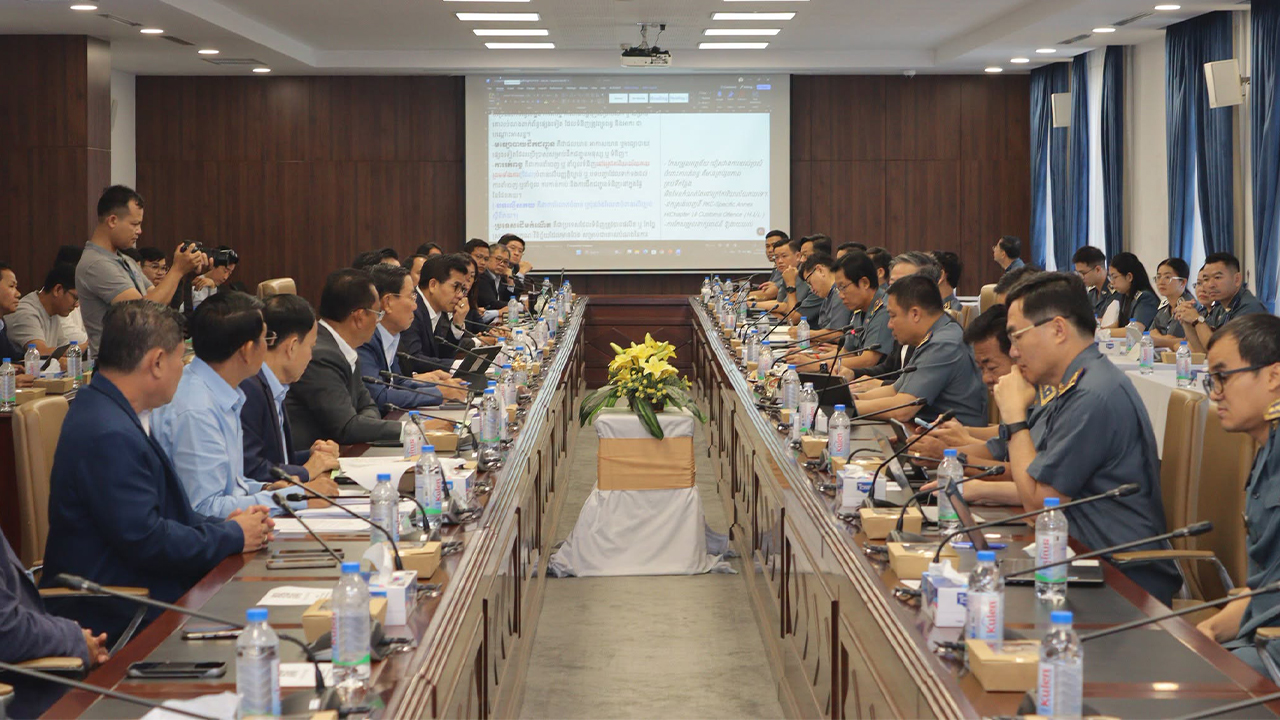
The General Department of Customs and Excise of Cambodia (GDCE) has invited private sector representatives to offer their recommendations on new draft amendments to the Customs Law, with the aim of improving the legislation to better reflect the current trade environment and ensure its effective implementation. The consultation was held on June 30 at the National Customs School. Chaired by GDCE deputy director-general Se Sokhon, it brought together GDCE officials and representatives from the Cambodia Chamber of Commerce, the Cambodia Transport and Logistics Association, the Federation of Associations for Small and Medium Enterprises of Cambodia (FASMEC), the Cambodia Digital Tech Association and the Cambodia Cement Manufacturing Association. Sokhon noted that the Law on Customs, which has been in force since 2007, has played a vital role in regulating international trade, collecting state revenue, facilitating trade and preventing customs-related offenses. However, he acknowledged that the rapid evolution of the economy, international trade, supply chains, technology and import-export practices has created a need to update and strengthen the framework, to better meet current and future requirements. “The amendment of the Customs Law aims to strike a balance between trade facilitation and stronger legal compliance. The GDCE considers private sector participation to be an essential element in drafting the amendments, as businesses are the regular users of customs procedures and possess practical experience in commercial operations,” he said. According to the GDCE, the draft amended Customs Law consists of 14 chapters and 88 articles, representing an increase of one chapter and eight articles over with the current law. Participants actively discussed and exchanged views on 35 articles of the draft legislation. The GDCE announced that it will organise additional consultations in the near future to review the remaining provisions. The objective is to ensure that the drafting process is conducted with broad participation, transparency and effectiveness.

多角的分析

経済的影響

カンボジア経済は近年、特に中国からの投資に牽引され、目覚ましい成長を遂げている。この税関法の改正は、貿易手続きの簡素化と効率化を通じて、さらなる貿易円滑化を図ることを目的としている。これにより、輸出入コストの削減やリードタイムの短縮が期待され、国内産業の競争力強化に寄与する可能性がある。特に、中小企業連盟(FASMEC)が参加している点は、国内小規模事業者の国際競争力向上への配慮を示唆している。一方で、法遵守の強化は、不正行為の抑止や国家歳入の安定化に繋がるが、過度な規制は貿易のボトルネックとなるリスクも孕んでいる。改正の具体的内容と運用が、経済成長の持続可能性に影響を与えるだろう。

投資家心理

今回の税関法改正の動きは、カンボジアへの投資を検討する企業にとって、より予測可能で効率的な通関手続きへの期待を高める。特に、サプライチェーンの円滑化は、製造業や物流業への投資を促進する要因となり得る。民間セクターとの積極的な協議は、投資家が懸念する規制リスクの低減に繋がる可能性がある。しかし、改正内容が具体的にどのような影響を及ぼすかは、今後の詳細な発表を待つ必要がある。法改正が、過去の事例(例:特定の品目に対する予期せぬ関税率の変更など)のような不確実性を排除し、透明性と安定性を高めるものであれば、カンボジアへの直接投資(FDI)を後押しするだろう。

社会的影響

税関法の改正は、直接的には貿易業者や物流業者に影響を与えるが、間接的には一般市民の生活にも波及する。貿易手続きの効率化は、輸入される生活必需品や原材料のコスト削減に繋がり、物価の安定に貢献する可能性がある。また、国内産業の競争力向上は、雇用機会の創出や賃金の上昇に繋がることも期待される。一方で、法遵守の強化は、密輸などの不正行為を抑止し、より公正な市場環境を形成する上で重要である。しかし、改正内容によっては、一部の業者が新たな負担を強いられる可能性も否定できない。民間セクターとの継続的な対話は、社会的な不満を最小限に抑え、改正の恩恵が広く行き渡るための鍵となる。

市民の声

税関法の改正は、カンボジア市民の生活に直接的な影響を与える可能性がある。貿易手続きがよりスムーズになれば、輸入される食料品や日用品の価格が下がるかもしれない。また、国内産業の成長は、より多くの雇用を生み出し、人々の収入を増やすことに繋がるだろう。しかし、改正の内容によっては、一部の事業者が新たな費用を負担しなければならなくなり、それが最終的に消費者に転嫁される可能性もある。市民としては、改正が公正に行われ、恩恵が一部の富裕層だけでなく、広く一般の人々に及ぶことを期待している。

背景・歴史的文脈

カンボジアの税関法は2007年に制定され、以来、国際貿易の規制、歳入徴収、貿易円滑化の基盤となってきた。しかし、2000年代以降のカンボジア経済は、特に中国からの直接投資(FDI)の増加やASEAN地域内での貿易拡大に伴い、急速な変化を遂げている。サプライチェーンの複雑化、デジタル技術の進展、そして国際貿易ルールの変化に対応するため、現行法の見直しが喫緊の課題となっていた。2023年6月30日の民間セクターとの協議は、こうした経済環境の変化に対応し、貿易のさらなる活性化と法遵守の強化を両立させるための、具体的な法改正プロセスの一環である。

原文ソース

Phnom Penh Post

原文を読む