General articles are free for 24 hours after publish.
Indonesia's Forest Fires Surge, Threatening 2030 Carbon Sink Goals
Indonesia is experiencing a sharp surge in forest and land fires (karhutla), with 1.32 million hectares burned in August alone. This dramatic increase jeopardizes the nation's target to achieve carbon neutrality in the forestry and other land use sector by 2030 (FoLU Net Sink 2030).
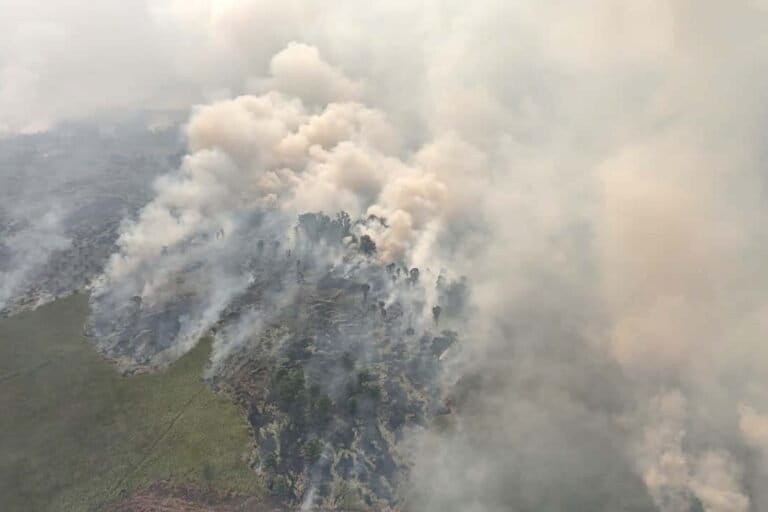
Forest and land fires (karhutla) are once again raging across Indonesia, with a sharp increase in burned areas observed in August. According to analysis by the Sustainable Forest Foundation (Yayasan Madani Berkelanjutan), the area burned in August reached approximately 1.32 million hectares, a significant jump from about 100,700 hectares in July. This surge is believed to be linked to the arrival of an unusually dry dry season, which the Indonesian Meteorology, Climatology, and Geophysics Agency (BMKG) had warned about since the beginning of the year, predicting it to be drier than in previous years. From January to August this year, the cumulative burned area has reached approximately 1.36 million hectares. Of this total, about 37,200 hectares are areas that have experienced fires before, while the remaining 1.32 million hectares are newly burned areas. This indicates that approximately 97.26% of the burned area is due to new fires, with only 2.74% being old areas that have burned again. This severe situation jeopardizes the achievement of the Indonesian government's "FoLU Net Sink 2030" target, which aims to ensure that greenhouse gas emissions from the forestry and other land use sector do not exceed absorption by 2030. Analysis by the Madani Foundation shows that about 511,300 hectares, or 38.70% of the burned area, falls within the planned operational areas for FoLU Net Sink 2030. The Indonesian Forum for the Environment (Walhi) National organization estimates that the CO2 emissions from forest fires between January and early September this year reached approximately 31 million tons. This figure is comparable to the annual total greenhouse gas emissions of Cuba, a country with a population of about 11.3 million people, encompassing all sectors including energy, transportation, and industry. While forest fires tend to occur frequently with the arrival of the dry season in Indonesia, the scale and impact of this year's fires pose a significant challenge to achieving national targets. The large extent of newly burned areas, in particular, raises concerns about serious impacts on long-term carbon sequestration capacity. Source: Mongabay Indonesia
Original source
Mongabay Indonesia