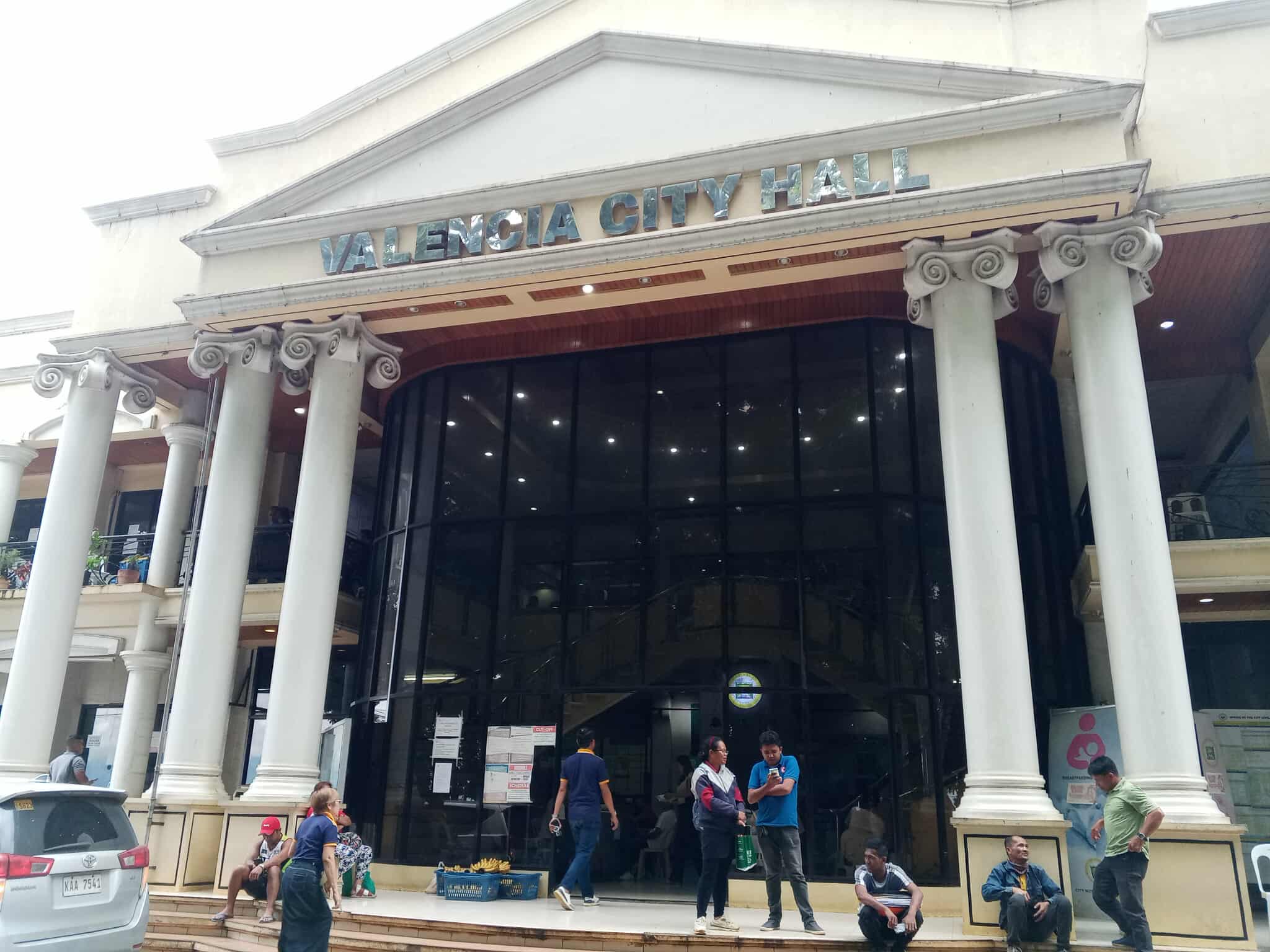
Valencia City seeks highly urbanized status for greater autonomy
Valencia City in Mindanao is seeking to become a highly urbanized city (HUC) to gain greater administrative and fiscal autonomy. Having met the population and income requirements, it aims to be the seventh HUC in Mindanao.
VALENCIA CITY, Bukidnon – Valencia City, known as the “City of Golden Harvest,” is seeking to become Bukidnon’s first and Mindanao’s seventh highly urbanized city (HUC) to achieve greater administrative and fiscal autonomy. Mayor Amie Galario has called for the city council’s support for a resolution formally petitioning the national government to convert the city into an HUC. The proposed resolution is currently under deliberation by the Sangguniang Panlungsod and is a key requirement under the Local Government Code of 1991 for cities seeking HUC status. Mayor Galario stressed that Valencia City already meets the two primary qualifications for HUC status: population and income. To qualify, a city needs an annual income of at least P50 million (in 1991 constant prices, equivalent to P250 million in current value) and a population of at least 200,000 residents. Latest local government data indicates Valencia City has surpassed the population requirement with over 223,000 residents. Its annual income also significantly exceeds the threshold, supported by a growing local economy and strong revenue collection. For 2026, Valencia has an approved annual budget of P2.725 billion, with P2.137 billion from its National Tax Allocation (NTA) and P476.24 million from locally generated revenues. The city government has intensified information campaigns and adopted measures to build public support for the conversion bid. Obtaining HUC status would grant Valencia City greater administrative and fiscal autonomy, enabling it to directly manage its resources, implement development programs more efficiently, and access larger national government funding for infrastructure and public services. Recognized as Bukidnon’s economic and commercial hub, Valencia City produces rice, corn, and high-value crops such as pineapple and banana. Since its conversion from a municipality to a component city on January 12, 2001, the city has experienced rapid urban growth fueled by trade, agriculture, education, and investment activities. Mayor Galario pointed out that Valencia’s economic performance, expanding population, and role as the province’s “primary growth center” make it a strong candidate for HUC status. If approved, Valencia would join Mindanao’s six existing HUCs: Davao, Zamboanga, Cagayan de Oro, Iligan, Butuan, and General Santos. In recent years, many local governments have sought greater autonomy to manage increasingly urbanized economies. In 2025, Naga City in Camarines Sur was declared the country’s 34th HUC after meeting the required population and income benchmarks. Galario stated that Valencia’s bid is not merely a change in classification but a recognition of its emergence as one of Northern Mindanao’s fastest-growing urban centers.
多角的分析
バレンシア市の高度都市化都市(HUC)への転換申請は、地域経済のさらなる発展と投資誘致を目的とした戦略的な動きである。HUCとなることで、地方自治体はより広範な財政的自律性を持ち、独自のインフラ開発や公共サービス向上に直接資金を投入できるようになる。これは、地方税収の増加や、より直接的な国家予算からの配分増につながる可能性がある。特に、ブキドノン州の主要な農業生産地であるバレンシア市は、農業関連産業だけでなく、貿易、教育、投資といった多様な経済活動を基盤としている。HUC昇格は、これらの経済活動をさらに活性化させ、周辺地域への経済的波及効果も期待できる。過去のHUC昇格事例を見ると、昇格した都市はインフラ整備が進み、ビジネス環境が改善されることで、国内および外国からの投資を呼び込みやすくなる傾向がある。
バレンシア市がHUCに昇格した場合、投資家にとって魅力的な機会が生まれる可能性がある。HUCは、より大きな財政的自律と迅速な意思決定能力を持つため、インフラプロジェクトや公共サービスへの投資が加速することが期待される。これは、不動産開発、物流、小売業など、都市インフラの発展と直接関連するセクターに恩恵をもたらすだろう。また、HUCは一般的に、より洗練された行政サービスと、投資家保護のための法制度が整備される傾向がある。バレンシア市が「投資に優しい」環境をさらに強化しようとしていることは、潜在的な投資家にとってポジティブなシグナルである。ただし、昇格後の具体的な政策や、地方政府の執行能力を慎重に見極める必要がある。
バレンシア市がHUCに昇格することは、地域住民の生活に直接的な影響を与える可能性がある。より良い公共サービス(医療、教育、交通など)へのアクセス向上や、インフラ整備による生活環境の改善が期待される一方で、都市化の進展に伴う住宅価格の上昇や、地域コミュニティの変容といった課題も生じうる。特に、農業を基盤とする地域社会が、急速な都市開発にどう適応していくかが問われる。また、HUC昇格による自治権拡大が、市民参加の機会を増やすか、あるいは官僚主義を強化するかは、今後の行政運営にかかっている。住民が都市開発の恩恵を公平に享受できるような配慮が不可欠である。
バレンシア市のHUC昇格申請は、市民にとって「より良い生活」への期待と、都市化の進展に伴う不安の両方をもたらすだろう。市長が強調する「行政的・財政的自律」の拡大が、具体的にどのような公共サービス(例えば、より充実した学校、病院、道路、公共交通機関)の改善につながるのか、市民は注視している。また、ブキドノン州の「ゴールデン・ハーベスト」として、豊かな農業が都市化の波にどう影響されるのか、農家や農業従事者の生活への影響も懸念される。HUC昇格は、より多くの雇用機会を生む可能性がある一方で、都市部への人口集中や、それに伴う生活コストの上昇も懸念されている。市民は、自分たちの声が行政決定に反映されることを期待している。
背景・歴史的文脈
フィリピンにおける高度都市化都市(HUC)の概念は、1991年の地方自治法(Local Government Code of 1991)によって定められた。この法律は、地方自治体に地方行政と財政におけるより大きな権限と自律性を与えることを目的としている。HUCは、人口と年間収入の一定基準を満たすことで、その地位を得る。これにより、地方政府は独自の税源を強化し、インフラ開発や公共サービス提供において、中央政府からの直接的な資金調達やより迅速な意思決定が可能となる。近年、フィリピンでは都市化が急速に進んでおり、多くの地方都市がHUCへの昇格を目指している。これは、経済成長と地方分権化を促進する一方で、都市部への資源集中や、地域間の格差拡大といった課題も生じさせている。バレンシア市の申請は、このようなフィリピンの地方行政改革と都市化の進展という大きな流れの中で位置づけられる。
原文ソース
Inquirer NewsInfo