Phu Quoc Strengthens Tourism Appeal Ahead of APEC 2027
Vietnam is enhancing its appeal as an international tourist destination, with infrastructure development and international cooperation projects centered on Phu Quoc island in preparation for APEC 2027. The island has risen to second place in Asia-Pacific's best islands ranking, driving the growth of Vietnam's tourism industry.
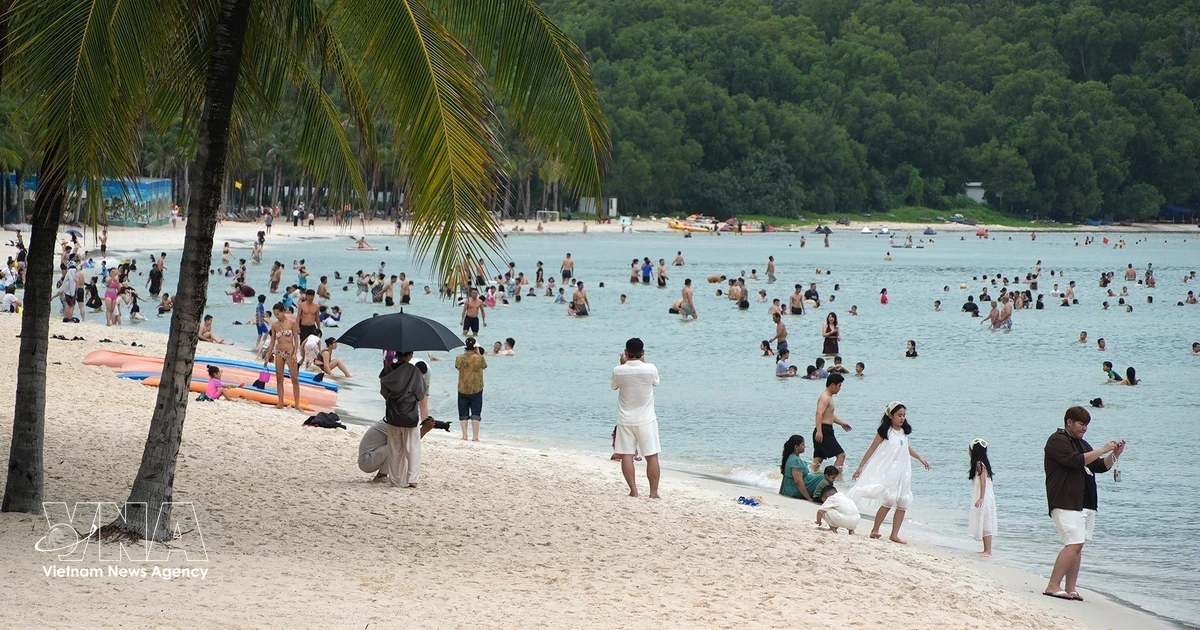
Amid this investment wave, Phu Quoc is emerging as a representative destination, with a series of infrastructure, hospitality and international cooperation projects being developed in preparation for APEC 2027 and the years beyond. Thorough preparations will not only ensure the successful organisation of APEC 2027 events but also help showcase Vietnam as a friendly, peaceful and stable destination while promoting the cultural features and tourist attractions of Phu Quoc and An Giang to the international community. Phu Quoc, also called Pearl Island, rose to second place on the list of Asia-Pacific’s best islands, moving up one position from 2025 and surpassing many renowned destinations such as Bali (Indonesia), Palawan (the Philippines), Langkawi (Malaysia), and Sumba (Indonesia). Ranked only behind Koh Samui (Thailand), Pearl Island was also the sole representative from Vietnam to appear in this year’s ranking. Stretching for more than 3,200 kilometres, Vietnam’s coastline boasts hundreds of beaches, ranging from long stretches of white sand and crystal-clear waters to secluded bays surrounded by lush mountains and tropical forests. Paris Match says Vietnam's appeal extends beyond its landscapes and luxury resorts. Its unique combination of nature, history, cultural heritage and local life offers travellers a wide range of authentic experiences, making the country an increasingly attractive destination for international travellers. Vietnam's pavilion emerged as one of the highlights of the World Trade Organisation (WTO) Open Day 2026 in Geneva on July 5, attracting a steady stream of visitors eager to savour authentic Vietnamese cuisine. Many said the experience had inspired them to visit Vietnam in the near future. The festival recorded more than 100,000 overnight visitors per competition night, with the June 27 blast hitting a season-best 117,400. Citywide hotel occupancy sailed past 70%, and plenty of downtown and beachfront properties ran near full. Da Nang is home to nearly 70 craft villages and traditional craft villages, along with around 3,000 craft establishments; many of these have become popular tourist attractions. The country received around 1.7 million international visitors in June alone, an increase of 14.7% from the same month last year, despite the month traditionally being part of the low travel season. Vietnam’s tourism performance has been widely regarded as a bright spot at a time when the global tourism industry continues to face significant challenges, including geopolitical tensions, armed conflicts in several regions, slowing global economic growth, rising oil prices and higher travel costs. According to Biba Magazine, Vietnam's regional culinary diversity, fresh ingredients and refined cooking techniques have elevated its cuisine far beyond iconic dishes such as pho and spring rolls, making it one of the country's most memorable attractions for international visitors. According to Nguyen Trung Khanh, Director General of the Vietnam National Authority of Tourism (VNAT), FIT has become one of the defining trends in post-pandemic tourism. Increasingly, travellers are seeking flexibility, personalised experiences and authentic cultural engagement, prompting destinations worldwide to rethink their tourism products, services and marketing strategies. In less than a decade, Phu Quoc has grown from around 1.45 million visitors in 2016 to more than 8.1 million in 2025. In the same year, Sa Pa welcomed around 4.3 million visitors, while tourism revenue increased more than 11 times compared with the period before synchronised investment was introduced. With strong growth momentum, strategic investment in quality tourism, upgraded infrastructure and increasingly diversified source markets, Vietnam is steadily reinforcing its position as one of Southeast Asia’s most dynamic and promising tourism destinations. On a weekend morning, the “5 Cua O” (Hanoi Five Gates) heritage train pulled out of Hanoi Railway Station to the strains of “xam tau dien” - a traditional folk music echoing through a community carriage. Outside the window, the bustle of the Old Quarter gradually receded and the iron span of the historic Long Bien Bridge slid into view. Located about 80km from downtown Ho Chi Minh City, Dinh Mountain stretches across Tan Hai, Long Huong, and Chau Pha wards. As the first airline to operate scheduled nonstop flights between Phu Quoc and Chengdu, Sun PhuQuoc Airways is also introducing launch offers of up to 20% off fares, complimentary Sun World Hon Thom Cable Car tickets, and exclusive privileges across the integrated Sun Group ecosystem. By combining modern entertainment with local cultural and ecological experiences, Ho Chi Minh City's coastal destinations are seeking to offer visitors more diverse and memorable holidays this summer Indian arrivals to Vietnam have risen sharply from around 100,000 before 2016 to 750,000 in 2025, 4.5 times higher than in 2019, driven by expanding direct air routes. The number of Vietnamese visitors to India has also maintained an average annual growth rate of 17–20%. Affordable hotels, direct flights, easy visas and breathtaking landscapes are making Vietnam one of the most sought-after international destinations for Indian travellers looking for value and unforgettable experiences. Located between Voi (Elephant) Cave and Ma Da Lake in the Ma Da Valley, within the park’s strictly protected zone, the cave measures about 3,000 metres in length and 70 metres in average width, with several chambers extending beyond 100 metres. It has two entrances leading to separate branches. While the main entrance covers about 5 sq.m, the exit is narrow, allowing passage for only one adult at a time. The Public Transport Management Centre under the city's Department of Construction said on June 25 that the new non-subsidised route (DL06) will connect Saigon Bus Station and Binh Trung. The service will be operated by World Travel Trading JSC using 60-seat open-top double-decker buses. An unexplored cave with a nearly 70-metre-wide entrance and striking multicoloured stalactites has been discovered in the Bac Huong Hoa Nature Reserve in the central province of Quang Tri. Copyright, VietnamPlus, Vietnam News Agency (VNA) Editor-in-chief, Mr. Tran Tien Duan.
多角的分析
ベトナムの観光産業は、APEC 2027開催という明確な目標と、パンデミック後の個人旅行(FIT)の増加という追い風を受けて、力強い成長を続けている。フーコック島への集中投資は、インフラ整備とサービス向上を促進し、地域経済の活性化に貢献している。これは、ベトナム経済の多角化と、サービス産業への依存度を高める戦略の一環と見られる。特に、インド市場からの観光客増加は、新たな収益源の開拓を示唆しており、今後の経済成長に寄与する可能性が高い。
ベトナムの観光セクター、特にフーコック島への投資は、高い成長ポテンシャルを秘めている。APEC 2027という国際的なイベントは、インフラ整備へのさらなる投資を呼び込み、高級リゾートやエンターテイメント施設の開発を加速させるだろう。航空会社や旅行関連企業は、この成長に乗じる機会として、ベトナム市場への参入や事業拡大を検討すべきである。ただし、インフラ開発の遅延や、国際的な経済情勢の変動リスクには注意が必要である。
フーコック島における観光開発の加速は、地域住民の生活に変化をもたらしている。観光客の増加は雇用機会を創出する一方で、土地利用の変化やインフラへの負荷増大、文化的な摩擦といった課題も生じうる。また、ベトナムの伝統文化や食文化が国際的に評価されることは、国民の文化遺産への誇りを高める一方で、商業化による変質のリスクも伴う。個人旅行(FIT)の増加は、より多様な文化交流を促進するが、地域社会との調和が重要となる。
ベトナム市民にとって、フーコック島のような観光地の発展は、雇用機会の増加や経済的な恩恵をもたらす可能性がある。特に、観光関連産業に従事する人々にとっては、収入向上の機会となるだろう。しかし、観光開発に伴う物価上昇や、都市部への人口流出、自然環境への影響など、生活の質に影響を与える側面も無視できない。APEC 2027のような国際イベントは、国のイメージ向上に貢献するが、その恩恵が国民全体に公平に行き渡るかが問われている。
背景・歴史的文脈
ベトナムは1986年のドイモイ(刷新)政策以降、市場経済化を進め、観光産業を重要な経済成長エンジンの一つと位置づけてきた。特に2010年代以降、インフラ投資の拡大やビザ緩和措置により、外国人観光客数は急速に増加した。フーコック島は、その美しい自然環境と開発ポテンシャルから、政府による戦略的な観光開発地域に指定され、大規模なリゾート開発が進められてきた。2027年のAPEC開催は、ベトナムが国際社会におけるプレゼンスを高め、経済発展をさらに加速させるための重要な機会と捉えられている。
原文ソース
VietnamPlus English