Samaral Aquaculture Boost Eyed to Broaden Fisherfolk Livelihood Options
Infrastructure
2026年7月29日
5
Philstar Business

General articles are free for 24 hours after publish.

Samaral Aquaculture Boost Eyed to Broaden Fisherfolk Livelihood Options

Share
AI Summary

The Philippines' Bureau of Fisheries and Aquatic Resources (DA-BFAR) is promoting rabbitfish (samaral) aquaculture to diversify livelihoods for fisherfolk and fish farmers. Leveraging existing technologies and market demand, the initiative aims to enhance income and contribute to food security.

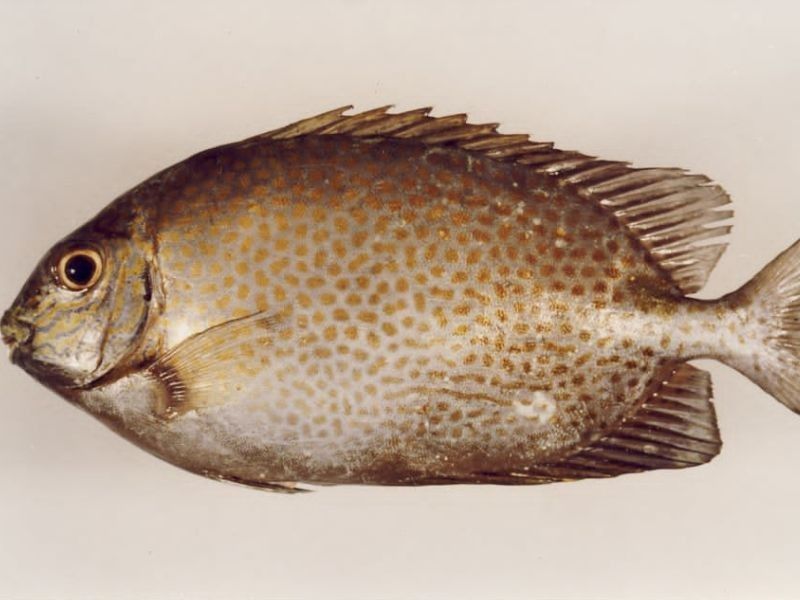
MANILA, Philippines — The Department of Agriculture – Bureau of Fisheries and Aquatic Resources (DA-BFAR) is promoting the culture of siganids, or rabbitfish (Siganus spp.), locally known as samaral, as part of its efforts to diversify Philippine aquaculture and create more livelihood opportunities for Filipino fisherfolk and fish farmers. The DA and the BFAR see samaral as a promising species for aquaculture diversification, building on available culture technologies, growing production, and an existing consumer market. Developing the species can provide fish farmers with additional livelihood options while creating opportunities across production, processing, and marketing. “By giving fisherfolk direct access to technology and strong market support, we can boost the production of samaral nationwide,” DA-BFAR National Director Elizer Salilig said. Why samaral? Samaral, also known as danggit, kitong, malaga, padas, and other names depending on the species and locality, is already familiar to many coastal communities and Filipino consumers. Its white meat, distinct flavor, and versatility in Filipino dishes give the species an existing consumer base on which a larger aquaculture industry can build. Unlike species that are still largely experimental for aquaculture, samaral already has established technologies covering controlled breeding, hatchery seed production, nursery, and grow-out. Researchers have demonstrated year-round seed production for Siganus guttatus, providing a technical foundation for expanding its culture. Samaral also offers practical advantages for fish farmers. It can be raised in brackishwater ponds and other suitable culture systems, including existing aquaculture infrastructure. It can utilize natural algae and selected seaweeds alongside formulated feeds, providing flexibility in feeding and farm management. These characteristics, together with established culture protocols and consumer familiarity, make samaral a strong candidate for aquaculture diversification. While the technology is available, developing samaral into a more significant aquaculture commodity will require bringing the different parts of the value chain together. Production data already point to an emerging base for expansion. Data from the Philippine Statistics Authority showed samaral aquaculture production increased from 153.89 metric tons in 2021 to 361.57 metric tons in 2025. While still small compared with established aquaculture commodities, the increase shows room to further develop production and encourage wider commercial adoption. Beyond increasing production, DA-BFAR also sees opportunities to create greater value from samaral through post-harvest innovation. Aside from the fresh fish market, samaral can be developed into dried, smoked, marinated, deboned and ready-to-cook products. “As we aim to improve the well-being of our fisherfolk, we see samaral as a strong opportunity to boost their livelihoods. Developing this species goes beyond simply producing more fish. We want to strengthen the entire value chain so its growth creates sustainable income for our fisherfolk and fish farmers,” Salilig added. With available culture technologies, an emerging production base, and an established place in Filipino food culture, samaral has strong foundations to grow from a locally important fish into a major aquaculture commodity that contributes to a more food-secure Philippines. (Contributed story)

0

Original source

Philstar Business

原文を読む