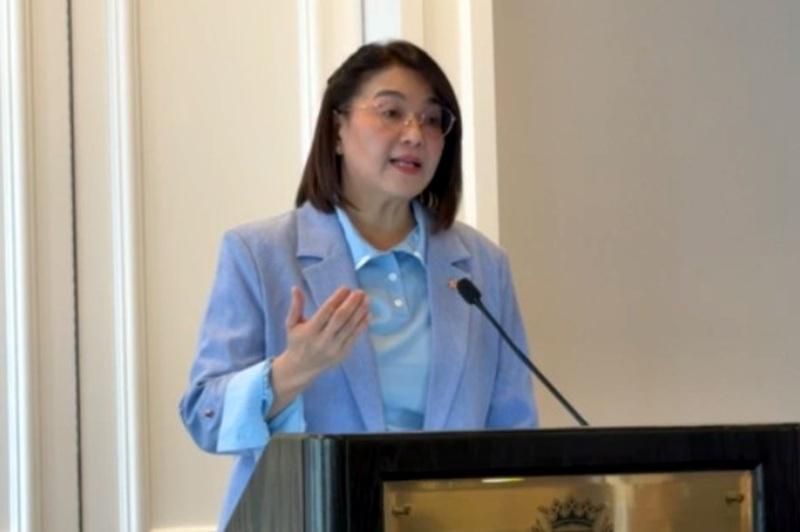
Palace Hopes Congress Passes Marcos Priority Bills Amid Budget Season, Impeachment Trial
Malacañang expressed hope that Congress would expedite the passage of President Ferdinand Marcos Jr.'s priority legislative measures, despite ongoing deliberations for the 2027 national budget and the impeachment trial of the Vice President, emphasizing the public benefit of these bills.
Malacañang on Wednesday expressed hope that Congress would pass President Ferdinand Marcos Jr.’s priority legislative measures despite the upcoming deliberations on the proposed 2027 national budget and the ongoing impeachment trial of Vice President Sara Duterte. During a Palace briefing, Palace Press Officer Claire Castro said the President remains optimistic that lawmakers would expedite action on the administration’s priority bills because they are intended to benefit the public. “Since iyan po naman din ay priority bills ng Pangulo ay umaasa po siya na ito ay mapapabilis kasi ito ay para talaga sa ating mga kababayan,” Castro said. (Since these are the President’s priority bills, he hopes they will be expedited because they are really for the benefit of our countrymen.) Castro made the statement after being asked whether the administration remained confident that the measures could still be approved this year despite Congress shifting its focus to the proposed national budget next month and the Senate’s impeachment proceedings. She also gave an update on the status of the eight priority measures identified by the President. According to Castro, the proposed National Center for Geriatric Health Act, amendments to the Government Assistance to Students and Teachers in Private Education (GASTPE) Act, and the proposed Assistance to Individuals in Crisis Situations (AICS) Act remain pending before the bicameral conference committee. The proposed amendments to the Universal Access to Quality Tertiary Education Act are likewise pending, while the Last Mile and Geographically Isolated, Disadvantaged and Conflict-Affected Areas Schools Act has already been enrolled and its copy was transmitted to Malacañang on June 25. Meanwhile, the proposed amendments to the Masustansyang Pagkain para sa Batang Pilipino Act were sponsored on the Senate floor on June 17. Castro also said the proposed Anti-Political Dynasty Act has been approved on third reading by the House of Representatives and is currently under the period of interpellation on second reading in the Senate. The proposed Presidential Merit Scholarship Program, meanwhile, has also passed the House on third reading and is pending before the Senate Committee on Higher, Technical and Vocational Education. Asked whether the President would discuss the priority measures in his upcoming State of the Nation Address on July 27, Castro declined to give details. “Ayaw kong pangunahan ang Pangulo,” she said. (I don’t want to preempt the President.) Meanwhile, Castro said President Marcos remains focused on governance despite fluctuations in his survey ratings. She made the remark after being asked about a recent survey showing a decline in the President’s dissatisfaction rating and an increase in his satisfaction rating. “Tumaas, bumaba, ang Pangulo ay hindi po apektado ng numero. Ang focus ng Pangulo ay magtrabaho,” Castro said. (Whether the numbers go up or down, the President is not affected by them. His focus is on working.) Castro noted that the administration still takes survey results into account to help determine which issues require greater attention. “Hindi iyan dini-disregard… nakikita rin ng mga miyembro ng Gabinete ano ang dapat na i-push, ano iyong dapat na pagtuunan ng pansin.” (They are not disregarded… Cabinet members also look at them to determine what programs should be pushed and what concerns need more attention.) She added, however, that the President’s priorities remain unchanged. “In the first place hindi naman siya tatakbo bilang Pangulo sa susunod. So, trabaho lang po ang Pangulo," she added. (In the first place, he will not be running for President again. So, the President is simply focused on doing his job.) — RSJ, GMA News
多角的分析
フィリピン議会が予算審議や弾劾裁判という主要な政治的・行政的課題に直面する中、大統領の優先法案の通過を急ぐという動きは、財政政策の実行と経済改革の推進という二重の課題に直面していることを示唆している。特に、高齢者医療、教育支援、危機的状況にある個人への支援といった法案は、社会福祉の向上と経済的安定に寄与する可能性があり、その迅速な法制化は、国内消費の刺激や社会インフラの強化に繋がる可能性がある。しかし、予算審議との並行は、資源配分の緊張を生み、法案の優先順位付けや財源確保に影響を与える可能性がある。
大統領の優先法案の早期可決への期待は、投資家にとって政策の安定性と予測可能性の向上を示唆する可能性がある。特に、教育や社会福祉関連の法案は、長期的な人的資本への投資や社会インフラの整備に繋がるため、持続可能な経済成長への期待を高める要因となり得る。しかし、議会の多忙さや政治的駆け引きが法案通過の遅延を招くリスクも存在する。投資家は、法案の具体的な内容、財源、そしてその実行能力を注視し、フィリピン経済の長期的な見通しを評価する必要がある。
大統領府が国民益を強調する優先法案の早期可決を求める姿勢は、社会福祉の向上を目指す意図を示している。高齢者医療センター法案や教育支援法案は、高齢者や学生といった脆弱な層への支援を強化し、社会的な包摂性を高める可能性がある。しかし、これらの法案が実際に社会にどのような影響を与えるかは、その内容の具体性、予算配分、そして実施体制に大きく依存する。また、副大統領の弾劾裁判という政治的混乱は、社会全体の安定性や政策遂行能力に対する懸念を生じさせる可能性もある。市民にとっては、これらの法案が生活の質の向上に直接的に繋がるかどうかが最も重要な関心事となるだろう。
議会が予算審議や副大統領の弾劾裁判で多忙を極める中、大統領府が優先法案の早期通過を求める声は、市民生活に直接影響を与える可能性のある政策の進展に対する期待と不安の両方を生じさせている。特に、高齢者医療や教育支援に関する法案は、多くの市民、特に低所得者層や子育て世代にとって切実な問題であり、その早期実現を望む声は大きい。しかし、政治的な駆け引きや予算の制約によって、これらの法案が遅延したり、期待通りの内容で実現しなかったりする可能性も懸念される。市民としては、法案の具体的な内容と、それが自分たちの生活にどのような影響を与えるのかを注視していく必要がある。
背景・歴史的文脈
フィリピンでは、大統領が議会に提出する「大統領優先法案」は、政権の主要政策目標を示すものとして重視される。これらの法案は、通常、大統領の国政演説(State of the Nation Address, SONA)で提示され、その年の立法活動の指針となる。しかし、フィリピン議会は、予算審議、委員会での審議、両院協議会、そして時には政治的対立や弾劾裁判など、多くのプロセスを経て法案が成立するため、必ずしも大統領の意図通りに迅速に進むとは限らない。特に、予算審議は毎年秋に行われ、これが最優先事項となるため、他の法案の審議が遅れることは珍しくない。副大統領の弾劾裁判のような政治的緊張は、議会のリソースを分散させ、立法活動にさらなる遅延をもたらす可能性がある。
原文ソース
GMA News Philippines