General articles are free for 24 hours after publish.
Philippine Peso Hits Fresh Record Low of P62.86 to US Dollar
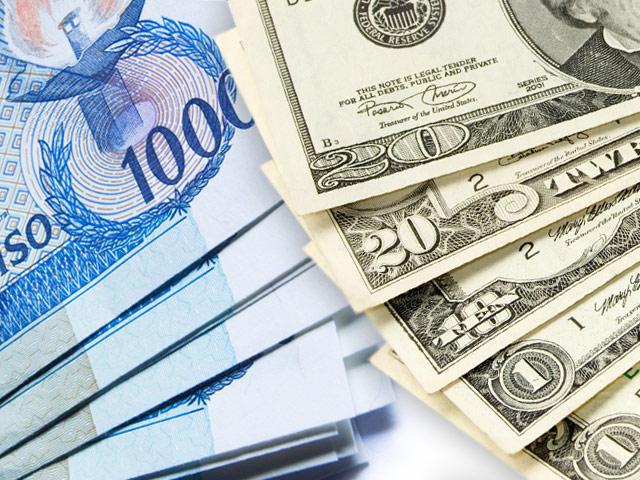
The Philippine peso fell to a fresh record low of P62.86 against the US dollar, marking its second consecutive day of depreciation. Rising global oil prices amid Middle East tensions and sustained local dollar demand are cited as key pressures.
The Philippine peso depreciated for the second straight trading day, closing at a fresh record low of P62.86 against the US dollar on Monday. The local currency shed 18 centavos from its previous close of P62.68:$1 last Friday, nearing its intraday low of P62.875:$1. Traders noted that the P63:$1 level is "clearly within striking distance." The peso remains under pressure from a strong dollar, elevated oil prices, and continued local demand for dollars. "But touching 63 is different from staying there," one trader commented via mobile message. The market is now watching whether P63 will become a new trading range or just another level the market tests. Bangko Sentral ng Pilipinas (BSP) Governor Eli Remolona Jr. has maintained that the central bank does not target a specific exchange rate level but intervenes when significant swings occur. Global oil prices continued to rise on Monday, with Brent crude futures up 2.77% at $107.51 per barrel and West Texas Intermediate (WTI) futures climbing 2.27% to $102.32 per barrel. This surge is attributed to ongoing geopolitical tensions in the Middle East. Over the weekend, a British navy-affiliated agency reported that a projectile hit a vessel transiting the Strait of Hormuz, though details on damage and crew status remain unknown, as reported by Reuters. The heightened tensions in the Middle East are a significant factor contributing to the rise in oil prices and, consequently, the pressure on emerging market currencies like the peso. This depreciation impacts the Philippine economy by increasing the cost of imported goods, potentially fueling inflation and reducing consumer purchasing power. For Overseas Filipino Workers (OFWs), remittances sent home will translate into higher peso amounts, a potential silver lining amidst the economic headwinds.
Original source
GMA Money Philippines