General articles are free for 24 hours after publish.
Sumatran Elephant Population Recovery Targeted by New Conservation Plan
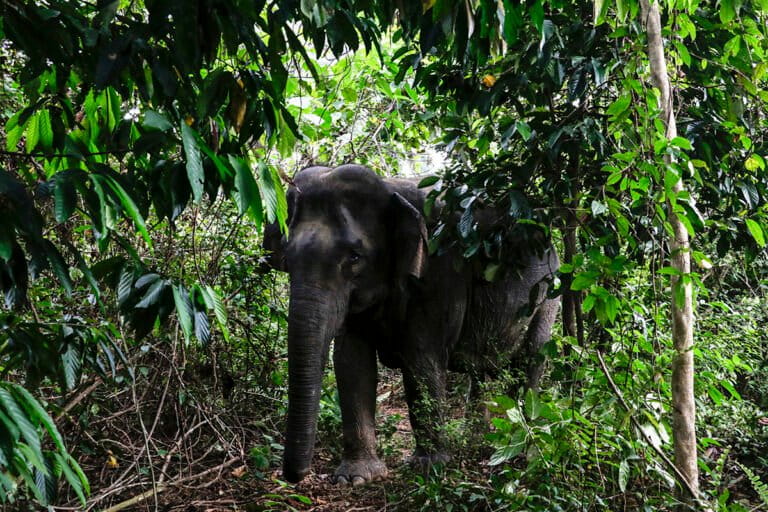
The latest estimate for Sumatran elephants places their population between 1,365 and 1,719 individuals. A new conservation plan focuses on habitat protection and conflict mitigation, aiming to reverse the significant decline since the 1980s.
Indonesia has launched a new Strategy and Action Plan for Sumatran Elephants and Kalimantan Elephants (SRAK) for 2026–2036, aiming to conserve the critically endangered Sumatran elephant (Elephas maximus sumatranus). The latest population estimate stands at approximately 1,365–1,719 individuals. This figure represents a significant decline from the estimated 2,800–4,800 individuals in the 1980s, and the previous estimate of 1,087–1,606 individuals in 2019. The SRAK designates 21 landscape units, or "elephant pockets," across Sumatra as conservation management areas. Of these, 17 pockets, accounting for approximately 80.95 percent, host at least 10 individuals, while four pockets have fewer than 10. Sumatran elephants inhabit an estimated 5.43 million hectares of habitat, but only 23.20 percent of this area is within conservation forest areas. The remainder lies within production forests, protected forests, and other use areas (APL), exposing them to risks of human-wildlife conflict and habitat fragmentation. The SRAK outlines four major programs: protection and conflict mitigation; population and habitat recovery; ex-situ elephant management; and support for policy and sustainable funding. The Minister of Forestry emphasized that the SRAK must translate from a planning document into collective action through policies, spatial planning, landscape management, and development. He expressed confidence that consistent implementation could lead to a significant improvement in population numbers within a decade. Success will be measured by the preservation of habitat and connectivity, improved population status, reduced conflict, and increased protection effectiveness. The conservation of elephants requires cross-ministerial and institutional collaboration, as well as engagement with communities living near elephant habitats. Satyawan Pudyatmoko, Director General of Conservation of Natural Resources and Ecosystems of the Ministry of Forestry, stated that the SRAK for Sumatran and Kalimantan Elephants is... *This article was originally published on Mongabay*
Original source
Mongabay Indonesia