Cambodia to Step Up Crackdown on Illegal Fishing, Prosecute Organizers
Security
2026年7月1日
6
Phnom Penh Post

Cambodia to Step Up Crackdown on Illegal Fishing, Prosecute Organizers

AI サマリー

Prime Minister Hun Manet has ordered a stronger crackdown on illegal fishing and the prosecution of organizers behind such activities to ensure the recovery of fish stocks and benefit fishing communities.

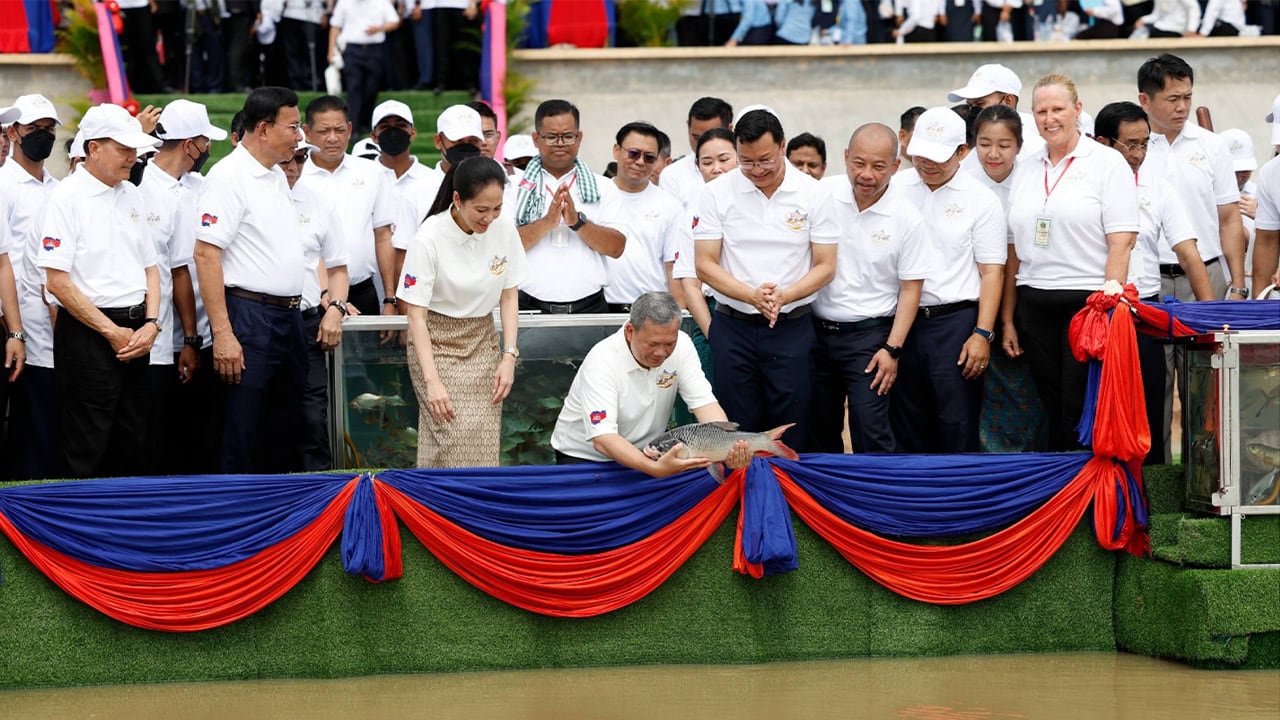
Prime Minister Hun Manet has instructed the armed forces and all government institutions to work together to suppress illegal fishing, including identifying and prosecuting the organisers behind such activities, in order to ensure stocks continue to recover, for the benefit of fishing communities and the nation. Manet issued the directive while presiding over National Fish Day celebrations today, June 1, in Svay Rieng town, Svay Rieng province. The celebrations saw 1.5 million juvenile fish released into the Vaico River. He noted that over the past two years, he has ordered the Royal Cambodian Army to deploy personnel to support the Fisheries Administration and other law enforcement agencies conducting operations against illegal fishing on Tonle Sap Lake. The prime minister explained that the army’s involvement was necessary because of the vast size of the lake and the increasing sophistication of illegal fishing operations, particularly the use of electric shock devices and other destructive fishing equipment. Referring to recent incidents, Manet claimed some individuals had encouraged hundreds of people to engage in illegal electrofishing while avoiding responsibility themselves. “Recently, there were people inciting hundreds of villagers to go electrofishing. Before that, they encouraged people to occupy land and sell it. Now they’re telling people to go catch fish with electric devices and promising to buy the catch, while they themselves escape legal responsibility,” he said. “We must find those instigators and arrest them so we can protect our fisheries,” he added. He stressed that targeting those who organise and encourage illegal fishing is essential to conserving the Kingdom’s fishery resources. According to the prime minister, two years of intensified conservation efforts and stricter enforcement have already produced clear results, with fish stocks showing signs of recovery. Manet also instructed authorities to pay closer attention to large-scale drag-net fishing operations, noting that some boats haul in 30 to 40 tonnes of fish in a single operation, indiscriminately catching both juvenile and adult fish and harming the livelihoods of ordinary fishing communities. “Pay attention to these large drag-net operations. They catch 30 or 40 tonnes at a time, wiping out everything, large and small. That’s why I ordered the army to operate on Tonle Sap. For the past two years they have been tackling crimes involving natural resources on land and water, while also carrying out their border protection duties. They are working alongside the Fisheries Administration, other authorities and local communities to find a sustainable solution. We don’t want to rely on deploying the military indefinitely,” he said. The prime minister added that once ministries, local authorities and communities develop a sustainable system of shared responsibility, local institutions will be better equipped to manage fisheries without requiring continued military involvement. Manet reiterated that the government’s priority is protecting the interests of the majority of Cambodians. “We must put the interests of the people first. Those capable of conducting large-scale illegal fishing that severely damages fish stocks are very few. If they break the law, they must be suppressed in order to protect people’s livelihoods and ensure our waters continue to produce abundant fish,” he said. He also instructed the Ministry of Agriculture, Forestry and Fisheries to further strengthen fisheries management and conservation, particularly the protection of breeding fish and endangered aquatic species. The prime minister urged the ministry to continue working closely with sub-national authorities and all branches of the armed forces to improve the effectiveness of efforts to prevent and suppress illegal fishing, while strictly enforcing the law against the production, distribution and use of highly destructive fishing gear, including electric shock devices and fine-mesh mosquito nets.

多角的分析

経済的影響

違法漁業、特に電気ショッカーや大規模なトロール網の使用は、漁業資源の持続可能性を著しく損ない、長期的な漁獲量と漁業関連産業の収益性を低下させる。資源の枯渇は、漁業従事者の収入減少、水産物加工業への供給不足、ひいては国内の食料安全保障への影響につながる可能性がある。組織的な違法漁業は、合法的な漁業者が市場で競争する機会を奪い、価格の歪みを生じさせることも考えられる。今回の首相の指示は、短期的な資源保護だけでなく、カンボジアの漁業セクター全体の経済的持続可能性を確保するための重要な一歩と見られる。

投資家心理

漁業資源の持続可能性は、水産物加工・輸出企業にとって直接的な投資リスクとなる。資源の枯渇は、原材料の安定供給を脅かし、生産コストの上昇や事業継続の困難さを招く。また、違法漁業への対策強化は、短期的に漁業活動に影響を与える可能性もあるが、長期的には資源の回復を通じて、より安定した投資環境を醸成すると期待される。特に、大規模な違法操業の抑制は、小規模・中規模の漁業者にとって公平な競争条件を回復させ、彼らが投資対象として魅力的に映る可能性もある。ただし、執行の透明性と一貫性が、投資家の信頼を得る上で重要となる。

社会的影響

違法漁業、特に電気ショッカーや大規模トロール網の使用は、伝統的な漁業コミュニティの生計を直接的に脅かす。これらの手法は、稚魚や小型魚を indiscriminately に捕獲し、将来の漁獲量を奪うため、長年漁業で生計を立ててきた人々の生活基盤を揺るがす。首相が言及した「扇動者」が、経済的困窮につけ込んで違法行為を助長している場合、その背後には貧困や格差といった社会問題が潜んでいる可能性がある。今回の措置は、これらのコミュニティの権利と生活を守るための試みであるが、扇動者の逮捕だけでなく、違法行為に手を染めざるを得ない人々のための代替収入源や教育機会の提供といった、より包括的な社会政策も求められるだろう。

市民の声

今回の首相の指示は、カンボジア国民、特に漁業に依存するコミュニティの生活に直接的な影響を与える。違法漁業の撲滅は、将来にわたって安定した水産物の供給を確保し、漁業従事者の生計を守ることに繋がる。しかし、違法漁業の「扇動者」の摘発は、その背後にいる組織やネットワークの存在を示唆しており、彼らの逮捕がどのように進むか、また、それによって違法行為がどの程度抑制されるかが注視される。一般市民にとっては、水産物の価格安定や、より安全で持続可能な漁業への期待が高まる可能性がある。一方で、取り締まりの強化が、一部の漁業者の生計に一時的な影響を与える可能性も考慮する必要がある。

背景・歴史的文脈

カンボジアの漁業、特にトンレサップ湖における漁業は、国民の食料供給と経済において極めて重要な役割を果たしてきた。しかし、近年、電気ショッカーや大規模なトロール網といった破壊的な漁法が蔓延し、魚類の個体数減少と生態系への深刻な影響が懸念されてきた。過去の政権下でも違法漁業対策は行われてきたが、組織的な犯罪や一部の権力者との繋がりが指摘され、実効性が限定的であった。フン・マネット首相は、2023年8月の就任以来、法と秩序の強化を公約に掲げており、今回の指示は、その公約を具体化する一環と見られる。特に、軍を動員しての取締りは、過去の対策よりも踏み込んだ措置と言える。

原文ソース

Phnom Penh Post

原文を読む