General articles are free for 24 hours after publish.
Vietnam Considers Expanding Health Insurance Subsidies: Benefits for 5 Groups and Economic Implications
Vietnam is considering expanding subsidies for health insurance (BHYT) to boost universal coverage. Five key groups, including low-income individuals and specific worker categories, are set to benefit directly, aiming to improve public health and economic stability.
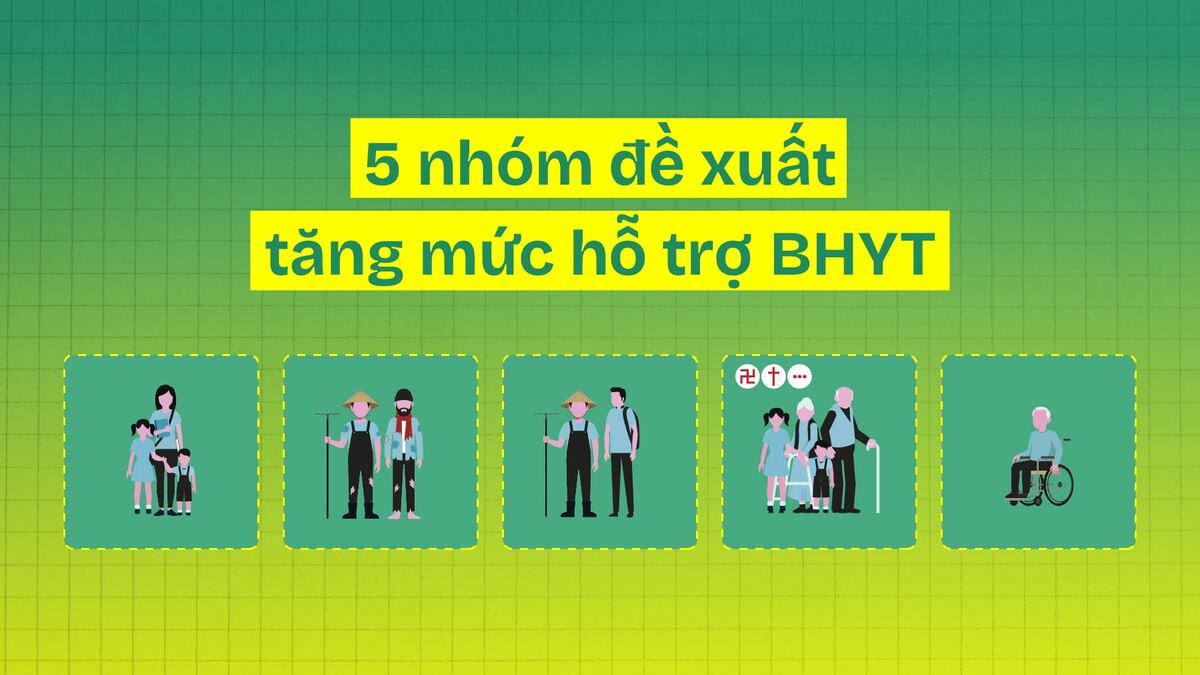
Vietnam's government is considering expanding public subsidies for health insurance (BHYT) to increase enrollment rates for universal healthcare coverage. This policy shift could significantly improve access to medical care, particularly for economically vulnerable groups and individuals in specific professions. The five main groups set to benefit from expanded subsidies include: 1. Low-income individuals: Households with monthly incomes below a certain percentage of the regional minimum wage will see reduced out-of-pocket insurance premium costs. 2. Ethnic minorities: Support will be strengthened for ethnic minority communities facing geographical and economic disadvantages. 3. Rural residents: Encouraging enrollment among residents in rural areas where healthcare infrastructure is less developed compared to urban centers. 4. Workers in labor-intensive industries: Subsidies for workers in sectors like garment manufacturing and agriculture, which have relatively lower wage levels. 5. Students and youth: Ensuring healthcare coverage during educational periods and maintaining the health of future generations. This expansion aligns with the Vietnamese Communist Party's key policy objectives under its one-party system, such as "poverty reduction" and "social welfare improvement." It reflects an effort to ensure that the benefits of economic growth are distributed more broadly across the population. Beyond improved health outcomes, the increased public subsidies are expected to contribute to the economic stability of these groups by alleviating healthcare cost burdens. Sudden medical expenses can be a significant strain on household finances for low-income individuals, so lowering the barrier to insurance enrollment can provide protection against economic shocks. However, the expansion will inevitably increase the government's fiscal burden. Discussions are expected to proceed cautiously within the government regarding the scale of the subsidies and the methods for securing funding. While Vietnam's economy has experienced remarkable growth in recent years, the country faces the challenge of balancing the expansion of public services with sustainable fiscal management.
Original source
VnExpress