Philippines Approves Education Voucher Bill to Ease Public School Congestion
Health
2026年6月30日
5
Inquirer NewsInfo

Philippines Approves Education Voucher Bill to Ease Public School Congestion

AI サマリー

The Basic Education Voucher Program Act has been approved by a bicameral conference committee in the Philippines, aiming to address classroom shortages and high student-teacher ratios in public schools by expanding access to private education and improving educational quality.

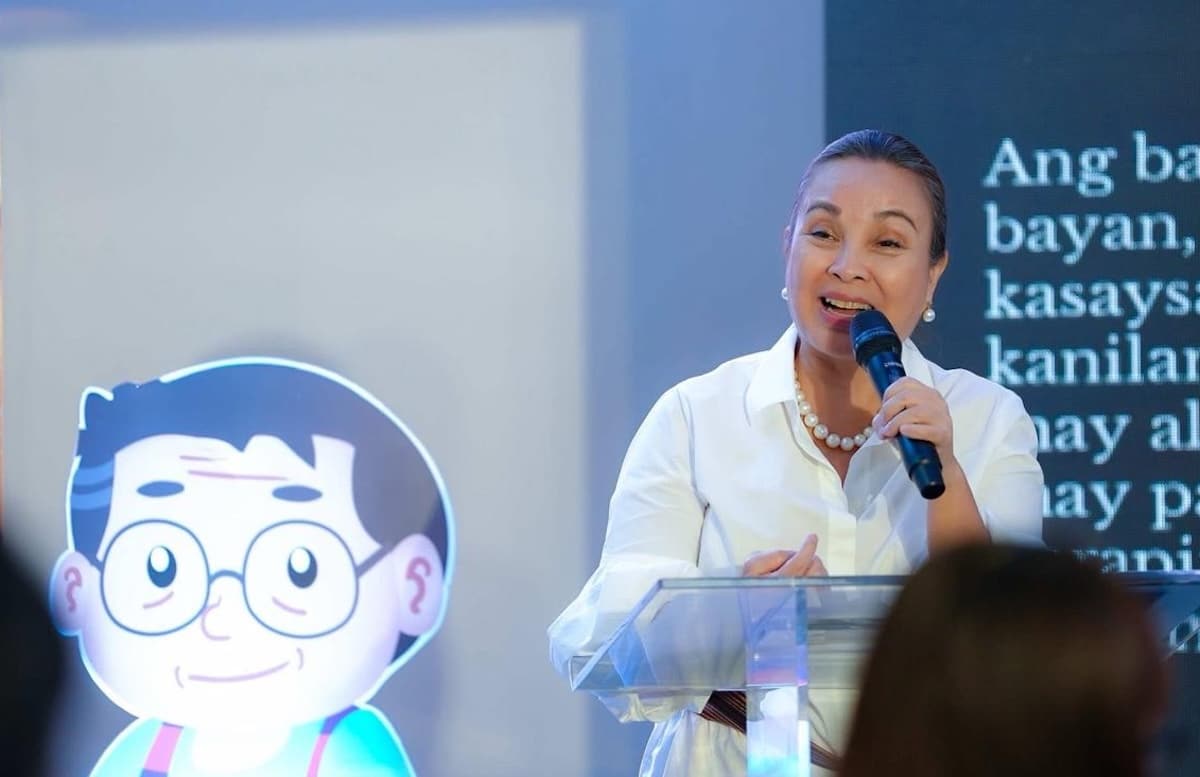
MANILA, Philippines — The proposed Basic Education Voucher Program Act, approved by the bicameral conference committee, will expand school choices and give more Filipino students access to better learning environments, Sen. Loren Legarda, co-author and co-sponsor of the bill, said in a statement on Monday. The bill institutionalizes a unified private education voucher system to ease classroom congestion in public schools, ease learning constraints such as high student-to-teacher ratios, and give Filipino learners greater educational choice. Legarda noted that the bill comes at a critical time, as overcrowded classrooms and high student-to-teacher ratios continue to weaken learning conditions, affect children’s social development, and diminish the quality of classroom interactions. She described the measure as a significant reform, saying: “By expanding access to private education through the voucher system, students who would otherwise be crowded into overstretched public schools gain additional opportunities to learn in less congested, more supportive environments.” “Every child, regardless of background, deserves the dignity of quality education. This measure invests in our learners’ future by ensuring that no child is forced by circumstance to learn in overcrowded classrooms,” she added. The bicameral conference committee has already approved the bill, which is the reconciled version of Senate Bill No. 1981 and House Bill No. 4744, which seeks to amend Republic Act No. 6728, or the Government Assistance to Students and Teachers in Private Education Act, as amended. Legard noted that recent grave incidents of student violence underscored the importance of learning environments where teachers can give students closer guidance and attention. According to her, easing congestion in public schools and allowing more learners to access participating private schools will help create more supportive, orderly, and conducive classrooms for all. Private schools, she stressed, play a vital role as partners in the country’s basic education system. They will accommodate more learners, reducing the burden on public schools and fostering classrooms where teachers can focus on instruction and students can thrive. “This partnership ensures that every Filipino child has a fair chance to succeed,” Legarda said. She explained that easing congestion in public schools strengthens retention, lowers dropout rates, and allows teachers to deliver quality instruction more effectively. The measure, she added, would also strengthen accountability and transparency because participating private schools must undergo quality assurance, administer national assessments, and publish performance data. Meanwhile, teachers in private schools will benefit from in‑service training, salary subsidies, and graduate scholarships, ensuring that reforms uplift both learners and educators. “Education remains the nation’s greatest equalizer,” Legarda said, underscoring the broader impact of the Basic Education Voucher Program in improving learning outcomes and maximizing public resources. With education reform among her legislative priorities, Legarda has served in the following posts: /atm

多角的分析

経済的影響

教育バウチャー制度の導入は、教育市場における競争を促進し、私立学校の質の向上と多様化を促す可能性がある。一方で、公的資金の私立学校への流出は、公立学校の財政的持続可能性に影響を与える可能性があり、教育格差の拡大を防ぐための慎重な財政計画と監督が不可欠である。また、バウチャーの額が私立学校の学費をカバーできる水準でなければ、低所得層の生徒は依然として私立学校へのアクセスが制限される可能性がある。

投資家心理

教育バウチャー制度は、教育関連企業、特に私立学校運営企業や教育サービス提供企業にとって新たな投資機会をもたらす。生徒数の増加が見込まれる私立学校は、インフラ投資や教育プログラムの拡充に動く可能性があり、関連産業への投資を刺激するだろう。ただし、政府の教育政策の変更リスクや、公立学校との競争激化による収益性の変動には注意が必要である。

社会的影響

この法案は、公立学校の過密問題という長年の社会課題に対処するものである。教室の混雑緩和は、生徒一人ひとりの学習への集中力向上や、教師が生徒とより密接に関わる機会を増やすことで、学習環境の質を高めることが期待される。しかし、バウチャー制度が、経済的理由から私立学校への進学が困難だった家庭に真に恩恵をもたらすか、あるいは経済力のある家庭がさらに有利になる「教育格差の固定化」を招くかについては、制度の運用と監視が問われる。特に、地方や貧困地域における教育機会の均等化がどのように図られるかが重要である。

市民の声

教室の過密状態は、マニラ首都圏をはじめとする都市部で長年問題視されてきた。この法案により、公立学校の生徒たちはより快適な環境で学習できる可能性があり、また、経済的な余裕のある家庭は、バウチャーを利用して私立学校を選択肢に入れることができるようになる。しかし、バウチャーの金額が十分でない場合、最も支援を必要とする家庭の子供たちは、依然として公立学校の混雑した教室で学ぶことを余儀なくされるかもしれない。教育の質が経済力によって左右されるという懸念が、市民の間で生じる可能性がある。

背景・歴史的文脈

フィリピンでは、人口増加と都市部への集中により、公立学校の教室不足と生徒一人当たりの教員比率の高さが長年の課題となっている。特にマニラ首都圏では、教室が過密状態にあり、学習環境の質が低下している。過去にも、政府は教育支援策として様々なプログラムを実施してきたが、根本的な解決には至っていない。この基本教育バウチャープログラム法案は、私立学校の活用を通じて、公立学校の負担を軽減し、生徒に多様な教育選択肢を提供することで、この構造的な問題を是正しようとする試みである。これは、教育へのアクセスを拡大し、教育の質を向上させるための、政府による公教育と私教育の連携強化策の一環と位置づけられる。

原文ソース

Inquirer NewsInfo

原文を読む