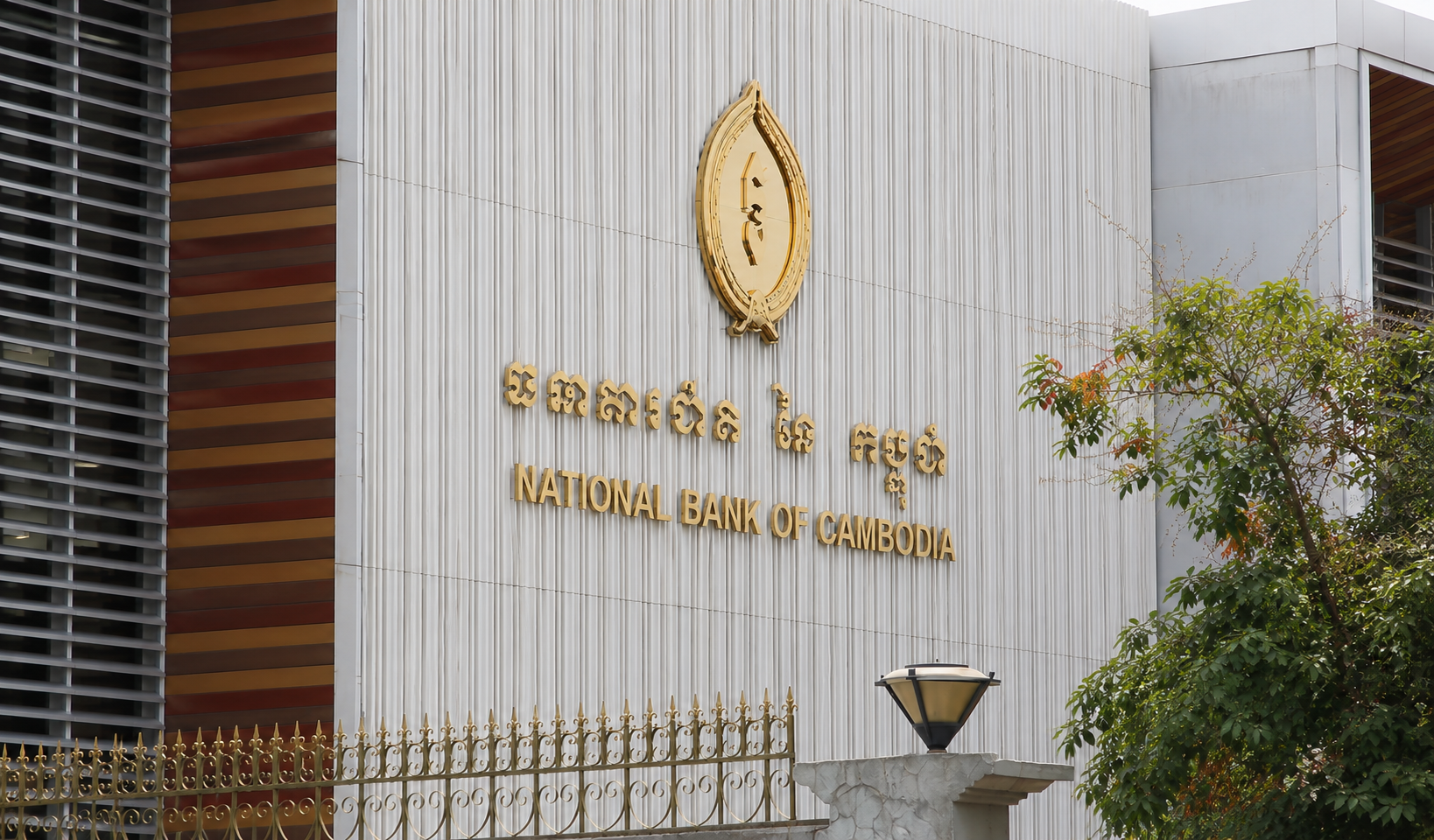
Cambodia's Foreign Exchange Reserves Decline 8.1% in H1 2026, Yet Remain Robust
Economy
2026年7月30日
4
Cambodia Investment Review

General articles are free for 24 hours after publish.

Cambodia's Foreign Exchange Reserves Decline 8.1% in H1 2026, Yet Remain Robust

Share
AI Summary

Cambodia's foreign exchange reserves fell 8.1% to $25.3 billion in the first half of 2026, according to the National Bank of Cambodia. However, reserves remain strong enough to cover eight months of imports, with the decline attributed to lower banking sector deposits rather than external pressures.

Cambodia’s foreign exchange reserves declined during the first half of 2026, reflecting lower banking sector deposits and changes in reserve holdings, although the country’s external financial position remains among the strongest in the region, according to the National Bank of Cambodia (NBC). The NBC’s latest Semi-Annual Report showed that international reserves stood at US$25.3 billion at the end of the first six months of 2026, down 8.1% from US$27.5 billion recorded at the end of 2025. Despite the decline, the central bank emphasized that reserve levels remain comfortably above international benchmarks, providing enough foreign currency to cover eight months of imports of goods and services. Economists generally consider reserve coverage of around three months of imports to be sufficient for developing economies. Decline Reflects Reserve Composition Rather Than External Stress According to the NBC, the decrease was primarily driven by lower deposits, mandatory reserves and guarantees held by banking and financial institutions, as well as movements in gold prices. The central bank did not indicate that the decline reflected pressure on Cambodia’s external accounts or balance of payments. Instead, it highlighted that reserve levels continue to provide a substantial buffer against external economic shocks and support confidence in the country’s highly dollarized financial system. The latest figure follows several years of historically high reserve accumulation. International reserves reached US$27.5 billion in the second half of 2025 after increasing from US$24.8 billion in the first half of that year. Strong Reserve Position Supports Economic Stability Maintaining large foreign exchange reserves is particularly important for Cambodia, where the economy remains heavily integrated into global trade and the U.S. dollar continues to play a significant role across the financial system. Strong reserve holdings help the country finance imports, support exchange rate stability, strengthen investor confidence and provide liquidity during periods of global financial volatility. The NBC noted that the current reserve level remains well above internationally accepted adequacy measures, reinforcing Cambodia’s ability to withstand potential external shocks. Growing Focus on Sustainable Reserve Management The report also highlighted the NBC’s increasing emphasis on sustainable investing. As of the first half of 2026, 6.3% of Cambodia’s international reserves had been invested in green bonds and environmental, social and governance (ESG)-related bonds, reflecting the central bank’s efforts to align reserve management with evolving global investment practices. The NBC said its international reserves continue to be managed under strict investment policies and risk limits, with a diversified portfolio designed to preserve capital while improving long-term management efficiency. While Cambodia’s reserve holdings eased during the first half of the year, the latest figures suggest the country’s external financial position remains robust, providing policymakers with significant flexibility as global economic uncertainty continues. Information source: Cambodia Investment Review

0

Original source

Cambodia Investment Review

原文を読む