Flood Advisories Issued as LPA Threatens Eastern and Central Philippines
The Philippine Atmospheric, Geophysical and Astronomical Services Administration (Pagasa) has issued flood advisories for several areas in Bicol, the Visayas, and Caraga regions as a low-pressure area (LPA) approaches, enhancing rainfall. Residents in urban, low-lying, and riverside communities are urged to remain vigilant.
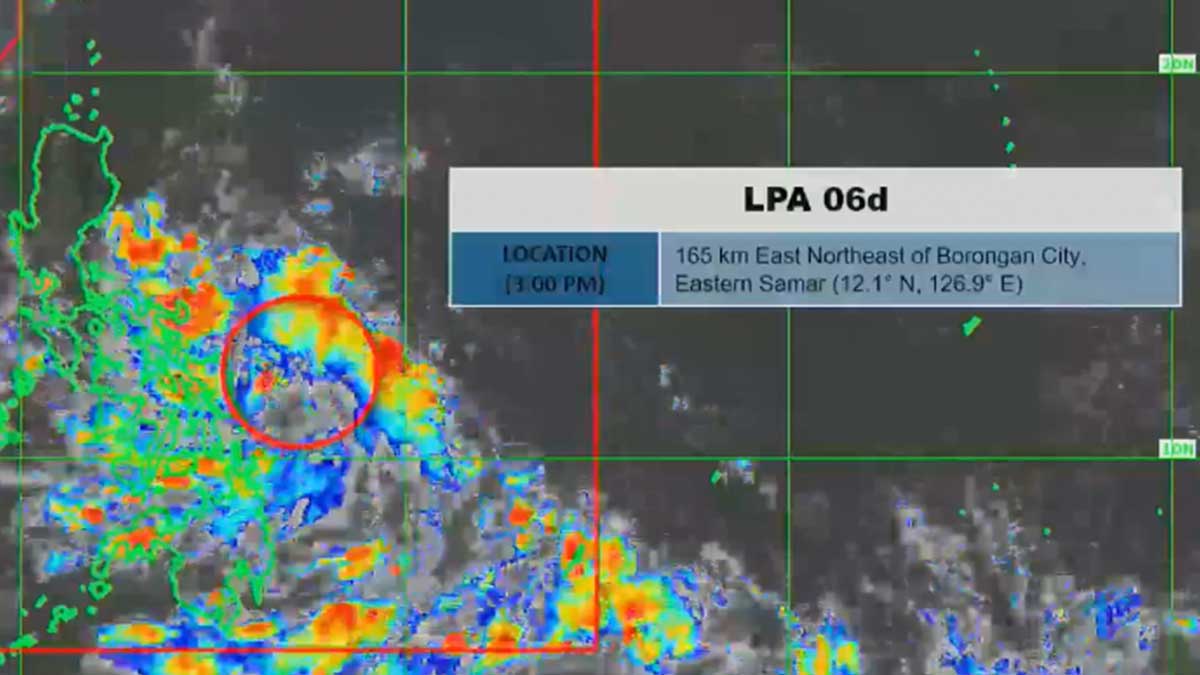
MANILA, Philippines — The state weather bureau on Monday evening placed several areas in Bicol, Mimaropa, the Visayas, and Caraga under general flood advisories as a low-pressure area (LPA) east-northeast of Borongan City in Eastern Samar continued to enhance rains over large parts of the country. In separate General Flood Advisories issued at 6 p.m., the Philippine Atmospheric, Geophysical and Astronomical Services Administration (Pagasa) said light to moderate, and in some areas moderate to occasionally heavy rains with thunderstorms are expected over Regions 4-B (Mimaropa), 5 (Bicol), 6 (Western Visayas), 7 (Central Visayas), 8 (Eastern Visayas), and 13 (Caraga) over the next 12 hours. The advisories flagged numerous rivers and tributaries across the affected regions as vulnerable to possible flooding. READ: Heavy rains to persist as LPA may become cyclone – Pagasa In Bicol, these include river systems in Camarines Sur, Camarines Norte, Catanduanes, Albay, Masbate, and Sorsogon, particularly those serving low-lying communities such as the Lower Kilbay, Ragay, Tinalmud, Bato, Pajo, Guinale, Upper Donsol, Lanang, and Lower Donsol river systems. In Mimaropa, Pagasa identified rivers in Marinduque, Oriental Mindoro, Occidental Mindoro, Romblon, and Palawan, including the Tawiran-Tagum, Malaylay-Baco, Pulang Tubig, Abra de Ilog, Caguray, and several river systems across northern and central Palawan. For the Visayas, the weather bureau said rivers and tributaries in Antique, Iloilo, Negros Occidental, Aklan, Capiz, Guimaras, Bohol, Cebu, Negros Oriental, Siquijor, Biliran, Leyte, Samar, Southern Leyte, Northern Samar, and Eastern Samar remain susceptible to flooding, with moderate to occasionally heavy rainfall expected over Eastern Visayas. In Caraga, Pagasa also warned of possible flooding along rivers in Surigao del Norte, Surigao del Sur, Agusan del Norte, Agusan del Sur, and Dinagat Islands, particularly those near the Surigao, Cantilan, Lake Mainit-Tubay, Asiga, Gibong, and Malinao river systems. Pagasa advised residents living near mountain slopes, rivers, and other low-lying areas in the affected provinces to remain vigilant and take the necessary precautionary measures. For Eastern Visayas, where the heaviest rainfall is forecast, the weather bureau also urged local disaster risk reduction and management councils to remain alert for possible flash floods and landslides. As of 3 p.m., the LPA was estimated at 165 kilometers east-northeast of Borongan City, Eastern Samar. Pagasa said the weather disturbance continues to work with the southwest monsoon, or “habagat”, affecting the western section of Southern Luzon. Earlier Monday, Pagasa said the LPA has a high chance of developing into a tropical depression within the next 24 hours. If it intensifies, it will be given the local name Henry, becoming the country’s eighth tropical cyclone this year. READ: Bicol authorities enforce travel restrictions due to LPA Pagasa also warned that localized flooding, particularly in urban, low-lying, and riverside communities, as well as rain-induced landslides in susceptible areas, remain possible as rains continue through midweek. The latest flood advisories came as heavy rains already triggered flooding in parts of Metro Manila on Monday. Several roads in Quezon City became inundated during the afternoon downpour, prompting local authorities to advise motorists to take alternate routes and urge residents to continue monitoring official weather bulletins and flood advisories from Pagasa and local disaster management offices. /cb
多角的分析
熱帯低気圧(LPA)による広範な洪水警報は、フィリピン経済に短期および長期の両面で影響を与える可能性がある。短期的な影響としては、農作物への被害、インフラの損傷、物流の混乱による物価上昇が考えられる。特に、対象地域は農業が盛んな地域も含まれており、食料供給への影響は国民生活に直結する。長期的な視点では、インフラ投資の必要性が高まる一方で、災害リスクの高い地域への投資は抑制される傾向にある。これは、フィリピン経済の持続的な成長にとって課題となりうる。
投資家にとって、このニュースは短期的なリスク要因として認識される。特に、影響を受ける地域に事業拠点を持つ企業や、これらの地域からの原材料調達・製品出荷に依存する企業は、サプライチェーンの寸断や生産活動の停止リスクに直面する。また、インフラ関連企業や保険会社にとっては、災害復旧や保険金支払いの増加といった機会とリスクの両方が考えられる。投資判断においては、各企業の災害対策能力や事業継続計画(BCP)の有効性がより一層重視されるだろう。
フィリピンのような島嶼国では、気候変動による異常気象の影響が深刻化しており、今回の洪水警報は特に沿岸部や低地のコミュニティに住む人々の生活に直接的な脅威となる。避難の必要性、家屋の損壊、生計手段の喪失といったリスクは、社会的な脆弱性を抱える層に disproportionately(不均衡に)影響を与える。さらに、都市部での洪水は交通網の麻痺を引き起こし、日常生活や経済活動に支障をきたす。これは、マニラ首都圏のような人口密集地では、その影響がさらに拡大する。
今回の洪水警報は、フィリピン国民、特に影響を受ける地域に住む人々にとって、直接的な生活への不安を増大させる。家屋の安全、食料や水の確保、避難場所への移動といった、日々の生活における基本的な懸念が現実のものとなる。また、週末の豪雨でマニラ首都圏の一部が既に浸水したという事実は、気象庁の予報が単なる予測ではなく、現実の脅威であることを示唆している。学生や労働者は、通学・通勤の困難さや、場合によっては職務遂行能力への影響も懸念される。
背景・歴史的文脈
フィリピンは、太平洋「火の輪」上に位置し、台風や熱帯低気圧の通り道にあたるため、年間を通じて気象災害のリスクが高い国である。特に、南シナ海からの湿った空気がモンスーン(ハバガット)として吹き込む時期には、広範囲で大雨が降り、洪水や地滑りを引き起こしやすい。過去にも、大規模な台風や熱帯低気圧による甚大な被害が発生しており、2013年の台風ヨランダ(ハイエン)は、その代表例として記憶されている。これらの災害は、フィリピンの脆弱なインフラ、特に低地や河川沿いの居住地の問題と相まって、被害を拡大させる構造的な要因となっている。政府は防災・減災対策を強化しているが、気候変動による異常気象の頻発化・激甚化は、その効果を試すものとなっている。
原文ソース
Inquirer NewsInfo