Australian Firm to Build EV Battery Material Plant in Indonesia with $350M Investment
Business
2026年7月2日
5
VOI English
Relations
🇮🇩Indonesia🇦🇺Australia

Australian Firm to Build EV Battery Material Plant in Indonesia with $350M Investment

AI サマリー

Australian battery material technology firm Pure Battery Technologies (PBT) plans to build a precursor Cathode Active Material (pCAM) facility in Indonesia with an investment of $350 million, a significant step towards the nation's electric vehicle (EV) battery ecosystem development.

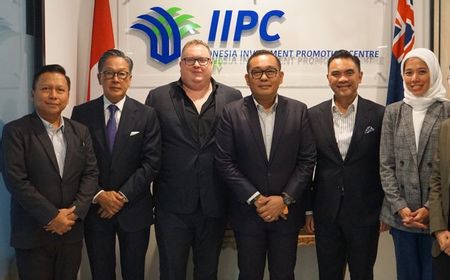
JAKARTA - The Ministry of Investment and Industrialization said that Australian battery material processing technology company Pure Battery Technologies (PBT) plans to build a Cathode Active Material (pCAM) precursor facility in Indonesia with an investment of 350 million US dollars. The investment plan was discussed in a meeting between Deputy Minister of Investment and Industrialization/Deputy Head of the Investment Coordinating Board (BKPM) Todotua Pasaribu with Pure Battery Technologies Chairman Stephen Wilmot, accompanied by Director of the Indonesia Investment Promotion Center (IIPC) Sydney Leidy Surianingrat, at the IIPC Sydney Office, Australia. In an official statement, quoted by Antara in Jakarta, Thursday, July 2, Todotua said at the meeting, the local government explained its plan to develop the pCAM industry based on Mixed Hydroxide Precipitate (MHP) supplied from domestic High Pressure Acid Leach (HPAL) facilities, with the long-term goal of building a pCAM production facility in Indonesia worth 350 million US dollars. "Indonesia already has HPAL and will soon have battery cell manufacturing. The remaining links are pCAM and cathodes. This is where investments such as Pure Battery Technologies are crucial to complete a fully integrated battery ecosystem," said Todotua. According to him, the presence of this investment will complete the national battery industry value chain, ranging from nickel, Mixed Hydroxide Precipitate (MHP), pCAM, cathode, to battery cells. This step is also believed to strengthen Indonesia's competitiveness as a center of the electric vehicle ecosystem. The government considers pCAM investment to have a strategic role because it is able to fill the gap in the battery industry supply chain at the midstream stage while increasing the added value of nickel commodities in the country. Currently, the battery precursor stage has not yet been developed in Indonesia, although it is one of the segments with the highest value creation in the nickel industry chain. Director IIPC Sydney Leidy Surianingrat stated that his party would continue to support the process of realizing the investment, including coordinating with various stakeholders and potential strategic partners. "IIPC Sydney is committed to continuing to facilitate Pure Battery Technologies' investment journey in Indonesia, by connecting the company to relevant government stakeholders and strategic partners, as well as supporting the next steps towards project realization," said Leidy. In addition to discussing investment plans, both parties also discussed the establishment of a PBT legal entity in Indonesia, the option of the location of the production facility, financing schemes, as well as opportunities for strategic partnerships in the nickel mining and processing sector. Source: VOI English

多角的分析

経済的影響

インドネシア政府は、ニッケル資源を基盤とした電気自動車(EV)バッテリー産業のエコシステム構築を国家戦略として推進しており、今回の豪州企業によるpCAM前駆体工場建設は、そのバリューチェーンの中核を担う重要な投資となる。pCAMはバッテリーの性能とコストに直結する高付加価値部品であり、この分野への投資は、単なる資源輸出国から加工・製造拠点への転換を目指すインドネシア経済にとって、大きな飛躍となる可能性を秘めている。過去、インドネシアはニッケル鉱石の輸出規制などを通じて、川下産業への誘致を図ってきたが、今回の投資は、その戦略が具体化する兆しと言える。

投資家心理

今回の投資は、インドネシアがEVバッテリー産業のサプライチェーン構築に注力していることを示す明確なシグナルであり、長期的な視点を持つ投資家にとって魅力的な市場となる可能性を示唆している。特に、ニッケル資源の豊富さに加え、政府の積極的な支援策が期待できる点はプラス材料である。ただし、pCAM製造は技術的難易度も高く、安定した原料供給や、国際的なバッテリー市場の動向、競合他国の政策なども注視する必要がある。過去の例では、資源開発への投資は地政学リスクやインフラ整備の遅れが課題となることもあったため、慎重なデューデリジェンスが求められる。

社会的影響

pCAM工場建設は、インドネシア国内における雇用創出、特に高度な技術を持つ人材の育成に繋がる可能性がある。また、EV産業の発展は、将来的には国内の自動車産業や関連サービス業にも波及効果をもたらし、国民生活の質の向上に寄与することが期待される。一方で、大規模な工業施設建設は、地域環境への影響や、土地利用に関する住民との調整など、潜在的な摩擦を生む可能性も否定できない。過去の鉱山開発などで見られたように、地域社会との共存共栄を図るための丁寧なプロセスが不可欠となる。

市民の声

今回の投資は、インドネシア国民、特に若年層にとって、将来の雇用機会の拡大や、より持続可能な社会への貢献という点でポジティブな意味合いを持つ。EV産業の発展は、将来的な大気汚染の低減にも繋がる可能性があり、都市部を中心に生活する人々にとっては歓迎すべき変化となりうる。しかし、大規模な工場建設やそれに伴うインフラ整備が、地域住民の生活環境にどのような影響を与えるかは、今後の注視が必要である。過去の同様のプロジェクトでは、地域住民との合意形成が課題となるケースも少なくなかったため、透明性のある情報公開と、地域社会の意見を反映した開発プロセスが求められる。

背景・歴史的文脈

インドネシアは世界最大のニッケル埋蔵国の一つであり、政府は長年、ニッケル資源の付加価値向上と産業育成を目指してきた。特に近年、電気自動車(EV)市場の拡大に伴い、EVバッテリーの主要材料であるニッケルとその派生製品への関心が高まっている。2020年にはニッケル鉱石の輸出規制が強化され、国内での加工・精錬事業への投資を促す政策が取られた。今回のPure Battery TechnologiesによるpCAM前駆体工場建設の計画は、こうした政府の戦略と、国際的なEVバッテリーサプライチェーン構築の動きが合致した結果と言える。pCAMは、ニッケル由来のMHPから製造されるバッテリー材料の中間段階であり、この工程を国内で確立することは、インドネシアがバッテリー産業の川下までサプライチェーンを構築する上で不可欠なステップである。

原文ソース

VOI English

原文を読む