Five Foods to Boost Lung Health in Vietnam
Vietnamese health experts recommend five foods rich in antioxidants and anti-inflammatory properties that can help protect lungs from environmental stressors and support respiratory function.
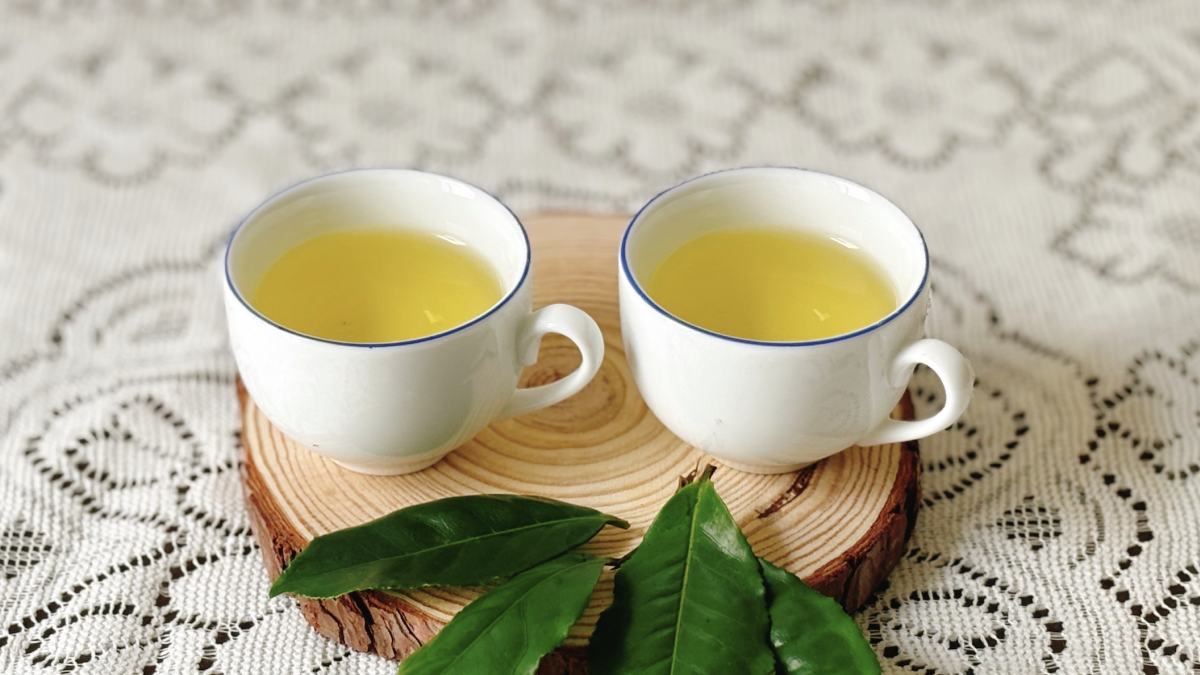
Vietnamese health experts are recommending five types of food that can help maintain healthy lungs. These foods are rich in antioxidants and anti-inflammatory compounds, contributing to the protection of lung cells and supporting respiratory function against environmental stressors like air pollution. Lungs are constantly exposed to air, fine dust, and pollutants, making them susceptible to oxidative stress and inflammatory reactions. According to Times of India, a diet rich in antioxidants and anti-inflammatory substances can help protect lung tissue, support respiratory function, and reduce damage from environmental factors. The recommended foods include: * Cruciferous Vegetables: Vegetables like broccoli, cauliflower, kale, Brussels sprouts, and cabbage are rich in vitamin C, fiber, and plant compounds such as sulforaphane. Sulforaphane has antioxidant properties that can protect cells from damage by free radicals. Regular consumption of cruciferous vegetables also contributes to reducing inflammation in the body, thereby supporting lung health. Kale, in particular, is rich in vitamin K1, a nutrient linked to better lung function and a lower risk of COPD. * Green Tea: Green tea is abundant in catechins, a group of polyphenols with strong antioxidant capabilities. Catechins help reduce oxidative stress and inflammation in the body, thus supporting lung health. However, it is advisable to consume it in moderation and limit added sugar to maximize its benefits. * Tomatoes: Tomatoes are a rich source of lycopene, the antioxidant that gives them their characteristic red color. Lycopene can help reduce inflammation in the respiratory tract and protect lung tissue from the effects of pollution and smoke. Consuming cooked tomatoes or with a small amount of vegetable oil can enhance the body's absorption of lycopene. * Ginger: Ginger has been used as a spice and medicinal ingredient in many traditional medicine systems. The active compounds in ginger have anti-inflammatory properties that can soothe the airways and help reduce irritation. Ginger can be consumed as tea or added to daily meals. * Apples: Nutrients like flavonoids, vitamin C, and soluble fiber in apples are beneficial for health. Antioxidants contribute to protecting lung cells from damage by free radicals. Regular consumption of apples also supports better maintenance of respiratory function. Incorporating these foods into daily diets is considered particularly important for maintaining the health of individuals susceptible to the impacts of air pollution, a concern in Vietnam. Source: VnExpress
多角的分析
ベトナム経済は急速な工業化と都市化を背景に、大気汚染問題が深刻化している。この健康情報の発信は、食品産業、特に健康食品やオーガニック製品への消費者の関心を高める可能性がある。農産物の付加価値向上や、国内の農業生産者への波及効果も期待される。一方で、これらの健康食品の価格帯によっては、所得格差によるアクセスへの影響も考慮する必要がある。
健康志向の高まりは、食品・飲料セクターへの投資機会を示唆する。特に、抗酸化物質やオーガニック成分を強調した製品、またはそれらの原料を供給する企業への関心が高まるだろう。ベトナム国内の食品加工・流通企業だけでなく、健康食品原料の輸出入に関わる企業も注目される可能性がある。ただし、食品安全基準やサプライチェーンの安定性が投資判断の鍵となる。
ベトナムでは、ハノイやホーチミン市などの大都市を中心に大気汚染が深刻な社会問題となっている。この健康情報は、市民が日常生活で実践できる具体的な対策として受け止められるだろう。特に、都市部で生活する人々や、呼吸器系の疾患を持つ人々にとって、食生活の改善は直接的な健康増進に繋がる。一方で、地方部ではこれらの食品へのアクセスや情報伝達に課題がある可能性も指摘される。
ベトナム市民、特に都市部に住む人々は、日々の生活で大気汚染の影響を強く感じている。肺の健康を守るための具体的な食品情報が提供されることは、不安を軽減し、自ら健康を管理しようとする動機付けとなる。例えば、市場で手に入りやすい野菜や果物、日常的に飲まれる緑茶などが推奨されている点は、多くの市民にとって実践しやすいだろう。しかし、これらの食品を継続的に購入するための経済的な負担や、情報が正確に伝達されているかどうかが、市民の行動変容に影響を与える。
背景・歴史的文脈
ベトナムにおける大気汚染は、急速な工業化、都市化、そして交通量の増加に起因する長年の課題である。特にハノイやホーチミン市では、PM2.5などの微小粒子状物質の濃度が世界保健機関(WHO)のガイドラインを大幅に上回ることが常態化している。この状況は、呼吸器系疾患の増加や、公衆衛生への懸念を高めている。政府は対策を講じているものの、抜本的な改善には至っていない。そのため、個々人が健康を守るための情報、特に食生活を通じた対策への関心が高まっている。
原文ソース
VnExpress