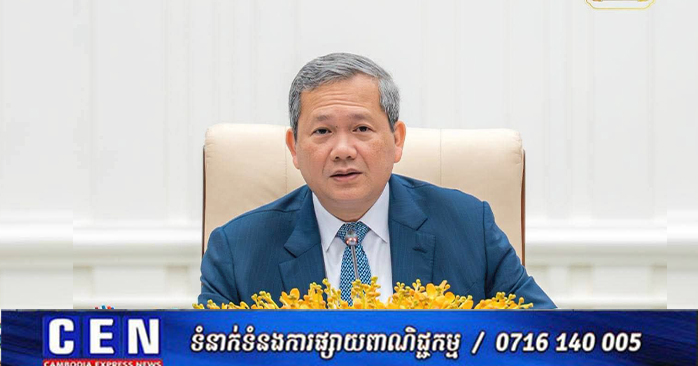
Cambodian PM Emphasizes Youth Investment and Adapting to Demographic Shifts
Politics
2026年7月13日
6
CEN Cambodia

Cambodian PM Emphasizes Youth Investment and Adapting to Demographic Shifts

AI サマリー

Cambodian Prime Minister Hun Manet, on World Population Day, stressed the importance of investing in youth education, skills, and employment. He outlined policies to prepare for demographic shifts, including an aging population, and to maximize the potential of young people.

Cambodian Prime Minister Hun Manet, in a message on the occasion of World Population Day on July 11, emphasized the importance of investing in youth and preparing for demographic shifts. The Prime Minister highlighted that Cambodia is currently in a "demographic dividend" phase, where a high proportion of young and working-age people presents an opportunity for economic growth and long-term development. However, he stressed that this dividend is not automatic and can only become a true national strength through appropriate investment in education, skills, health, employment opportunities, gender equality, and a social environment that allows young people to fully realize their potential. According to the 2024 census, Cambodia's population is approximately 17.3 million, with 26.8% under 15 years old and 34.6% aged 15-34. Projections indicate that by 2050, the population will reach about 24 million, with the proportion of the elderly (65 and over) increasing from the current 6.5% to 12.7%. This demographic shift underscores the urgency of investing in the youth. Failure to provide opportunities for the younger generation could lead to challenges such as missing out on a second demographic dividend, a shortage of skilled labor, and an increased economic and social burden due to an aging population. The Prime Minister also underscored the need to simultaneously prepare for an aging society, proposing the inclusion of social security systems, long-term care services, pension schemes, and the social participation of the elderly in the nation's long-term development plans. In response to this message, the Prime Minister called on all ministries, provincial authorities, development partners, the private sector, and civil society to advance four key initiatives: 1. Strengthening Population Data-Based Policy Making: Emphasizing the importance of planning and decision-making in economic, social, education, health, labor, and social protection sectors based on high-quality, timely, and comparable population data. Strengthening statistical systems, civil registration, surveys, population projections, and the use of administrative data are essential for targeted and effective policy formulation. 2. Investing in Education, Skills, and Decent Work for Youth: Ensuring that young Cambodians have equal opportunities to acquire education, vocational training, digital skills, STEM, entrepreneurship, and skills that meet the demands of the new labor market. Strengthening the link between education and industry is key to transforming youth from "population numbers" into "development forces." 3. Enhancing Health, Well-being, Gender Equality, and Protection for Vulnerable Groups: Promoting sustainable human development by fostering healthy, knowledgeable, safe, and equal citizens. Continuously strengthening public health services, social protection, family health education, and protection for women, children, persons with disabilities, and vulnerable groups to ensure inclusive and human-centered development. 4. Timely Preparation for Demographic and Aging Society Transitions: Proactively preparing for the future increase in the elderly population by integrating healthcare, social protection, long-term care, pensions, and the social participation of the elderly into long-term development plans. The Prime Minister concluded by stating that this year's World Population Day theme reminds us that Cambodia's future will be determined by the quality of investment in its youth and its people today. He urged all stakeholders to participate more actively in unlocking the potential of Cambodian people, especially the youth, to ensure their hopes and aspirations become a reality for themselves, their families, their communities, society, and the prosperous future of the Kingdom of Cambodia. Source: CEN Cambodia

多角的分析

経済的影響

カンボジアは現在、若年層が多い「人口ボーナス期」にあるが、これは教育・技能への投資と雇用創ちが十分でなければ、将来的な高齢化社会への対応や熟練労働者不足といった課題につながりかねない。首相が強調する若者への投資は、将来の経済成長の持続可能性を高めるための予防策であり、単なる人口ボーナスの享受に留まらない、質的な経済発展を目指す意思表示と解釈できる。特に、STEMやデジタルスキルへの言及は、産業構造の高度化と国際競争力強化への意欲を示唆している。

投資家心理

投資家にとって、カンボジアの人口動態の変化は、将来的な労働力供給と消費市場の構造変化を示唆する。若年層への教育・技能投資は、将来的に高度なスキルを持つ労働力プールを形成し、より付加価値の高い産業への投資機会を創出する可能性がある。一方で、高齢化の進展は、医療・介護・金融サービスといった分野での新たな投資機会を生み出すと同時に、社会保障制度の持続可能性への懸念も生じさせる。投資判断においては、政府の若者支援策の実行度と、高齢化社会への適応策の進捗を注視する必要がある。

社会的影響

カンボジア社会は、若年層のエネルギーと、増加する高齢者層のニーズという二つの側面を抱え込んでいる。首相のメッセージは、若者が社会の担い手として能力を発揮できる機会の提供と、高齢者が尊厳をもって暮らせる社会保障の構築という、両世代への配慮を示している。しかし、教育・技能への投資が、地域格差なく、特に地方の若者にも平等に機会が提供されるかどうかが、社会的な包摂性を確保する上で重要となる。また、高齢者へのケア体制の整備は、家族の負担軽減と社会全体の福祉向上に直結する。

市民の声

カンボジア国民、特に若者にとっては、教育や職業訓練の機会拡大は、より良い雇用と収入を得るための希望となる。将来的な高齢化を見据えた社会保障の整備は、現在の若者が将来安心して暮らせるための基盤となる。しかし、これらの政策が具体的にどのように、そしてどの程度、国民一人ひとりの生活に恩恵をもたらすかは、今後の政府の実行力にかかっている。特に、地方の若者や経済的に困難な状況にある人々への支援が、格差を拡大させないための鍵となるだろう。

背景・歴史的文脈

カンボジアは、1970年代のポル・ポト政権崩壊後、人口構成の歪みからの回復期を経て、近年は若年層の比率が高い「人口ボーナス期」を迎えている。この人口構造は、経済成長の潜在力を高める一方で、若年層の教育・雇用機会の提供が社会安定の鍵となる。フン・セン元首相時代から、人口政策は国家開発の重要課題と位置づけられてきた。2023年に首相に就任したフン・マネト氏は、この流れを引き継ぎつつ、将来的な高齢化社会への備えをより具体的に打ち出している。これは、東南アジア諸国が共通して直面する人口構造の変化という課題への、カンボジアなりの対応策と言える。

原文ソース

CEN Cambodia

原文を読む