General articles are free for 24 hours after publish.
Cambodian Ministry of Health Unveils 6 Key Measures to Enhance Patient Safety
The Cambodian Ministry of Health has announced six key measures aimed at improving healthcare services for patients. These include integrating safety principles into policies, strengthening medication safety, fostering communication and teamwork, positioning patients and families as care partners, promoting a learning culture over blame, and utilizing the SBAR communication tool.
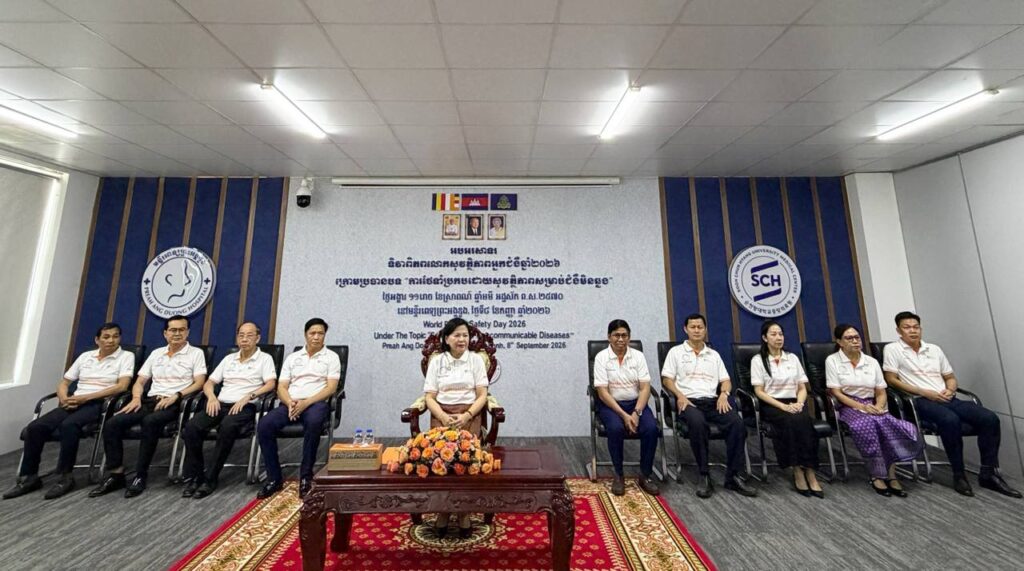
Senior health officials in Cambodia have announced six key measures to enhance the efficiency and quality of healthcare services provided to patients. The announcement was made by Dr. Im Sethikary, Secretary of State of the Ministry of Health, on September 8th during an event commemorating World Patient Safety Day 2026, themed "Safe Care for Noncommunicable Diseases," held at Preah Ang Doung Hospital. The six key measures are: 1. Integrate Patient Safety Principles into Hospital Policies and Strategies: Patient safety standards will be incorporated into daily clinical action plans, healthcare service delivery, community linkages, and patient health education, empowering patients to manage their own health. 2. Strengthen Safety Systems for Medication Use: Strict adherence to seven safety standards will be enforced in managing blood sugar and dispensing medications for chronic disease patients, aiming to avoid medication errors in line with the principle of "Medication Without Harm." 3. Promote Communication and Teamwork: Safe care necessitates teamwork and clear, structured information exchange among healthcare providers to reduce gaps in care. 4. Value Patients and Families as Care Partners: Actively listening to patient concerns, providing health education, and involving patients in treatment decisions are crucial for robust safety. Informed patients are the best protectors of their own safety. 5. Foster a "Learning Culture" Over "Blame Culture": Encourage reporting of near misses and errors to facilitate learning and system improvement through mature and transparent collaboration. 6. Implement the SBAR Communication Tool: Regularly utilize the SBAR (Situation - Background - Assessment - Recommendation) format for patient information exchange between medical staff to reduce communication gaps and enhance patient safety during care transitions. Dr. Im Sethikary emphasized, "Quality healthcare service is not just about providing treatment, but ensuring that all treatments are safe, effective, consistent, and minimize preventable risks or harm to zero." Dr. Lu Likang, Director of Preah Ang Doung Hospital, stated that noncommunicable diseases such as diabetes, hypertension, cardiovascular diseases, and cancer require continuous care and excellent collaboration between healthcare providers and patients. He affirmed that healthcare providers must ensure quality, safety, and effectiveness at every stage of care. Patient safety, he added, is not an isolated activity but an integral part of daily operations and the hospital's culture. Dr. Likang expressed strong confidence that World Patient Safety Day will reinforce collective commitment to building a stronger patient safety culture at Preah Ang Doung Hospital. He noted that the day is observed to raise awareness about patient safety among healthcare professionals, patients, and families, particularly in preventing harm related to the management of noncommunicable diseases. The hospital reiterated its commitment to providing quality and safe healthcare services with patients at the center, promoting active participation and teamwork. Patient safety cannot be achieved by healthcare professionals alone; doctors, nurses, pharmacists, patients, and families must collaborate to reflect on and improve the hospital's care services.
Original source
Kampuchea Thmey Local