Numerous Remains and Artifacts Found in Ho Chi Minh City Park, Efforts Underway to Identify Fallen Soldiers
Security
2026年7月12日
5
VnExpress

Numerous Remains and Artifacts Found in Ho Chi Minh City Park, Efforts Underway to Identify Fallen Soldiers

AI サマリー

Over 50 sets of remains and numerous artifacts, including gold rings and fountain pens, have been unearthed in Ho Chi Minh City's Le Thi Rieng Park during a week-long search for fallen soldiers. Authorities are working to identify the deceased using these personal belongings.

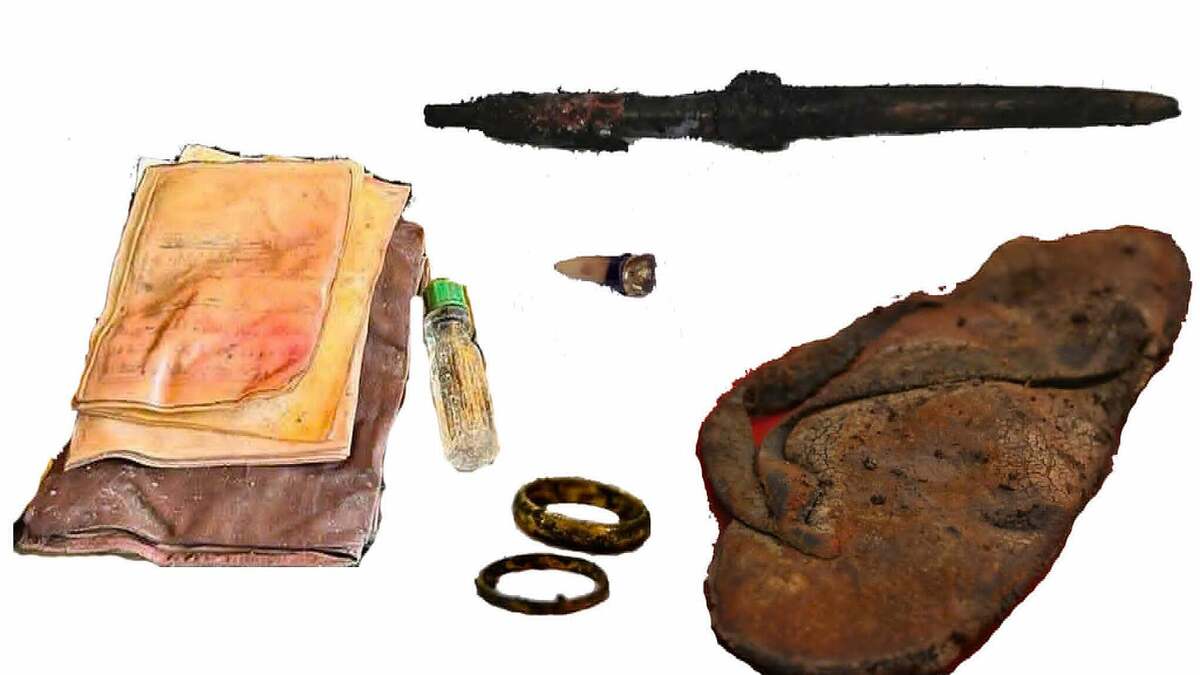
A week-long excavation at Le Thi Rieng Park in Ho Chi Minh City has yielded over 50 sets of remains and numerous artifacts, including gold rings, fountain pens, and rubber sandals, as authorities intensify efforts to identify fallen soldiers. The remains, discovered in trenches within the park, were often found layered and wrapped in body bags or military tarpaulins, according to the Ho Chi Minh City Command's team for collecting fallen soldiers' remains. Major General Nguyen Thanh Trung, Political Commissar of the Ho Chi Minh City Command, indicated that the burial methods and recovered artifacts suggest these soldiers may have belonged to the Saigon biệt động (special forces) or infantry units. Among the recovered items are fragments, belts, ropes, shell casings, and cloth bags found within the tarpaulins. Rubber sandals, commonly used by soldiers during marches and operations, and gold-capped teeth were also unearthed. Personal belongings such as oil bottles and keys were also collected. These artifacts are being preserved in specialized bags to mitigate damage and oxidation. Fountain pens were discovered within decaying fabric. The handling and processing of these delicate items are meticulously carried out by the collection team to minimize further deterioration. Each set of remains and associated artifacts are being cataloged and preserved. Previously, AK ammunition belts and personal documents, including mobilization orders, were found in wallets, though most were heavily faded. Currently, only one document bearing the name Huynh Van Quen, etched onto a plastic sheet, has been definitively identified as belonging to soldier Quen of the 1st Battalion, Long An. A family from Xa Vòm Co, Tay Ninh (formerly Long An), has come forward claiming kinship, and the military and Xa Vam Co authorities are proceeding with DNA matching for verification. Specialized teams are responsible for the processing, classification, and preservation of the unearthed artifacts. To date, the operation has collected a total of 50 sets of remains, one mass grave, and a significant quantity of personal effects. On the morning of July 11, Lieutenant General Nguyen Trong Nghia, Director of the General Department of Politics of the Vietnam People's Army, visited Le Thi Rieng Park to inspect the remains collection and identification efforts. He lauded the discovery as a highlight of the 500-day campaign aimed at collecting and identifying fallen soldiers' remains, emphasizing the need for dedicated and respectful work. Three trenches within the park are believed to be mass burial sites from the 1968 Tet Offensive, with current efforts focused on Trench No. 1. The plan to collect remains at Le Thi Rieng Park is part of the "500-Day Campaign," running from March 15, 2026, to July 27, 2027. The campaign aims to collect 7,000 sets of remains, collect biological samples from 230,000 anonymous graves, and conduct DNA testing on approximately 18,000 samples.

多角的分析

経済的影響

このニュース自体は直接的な経済活動を扱っていないが、戦没者遺骨の収集・特定活動は、国家的な過去の清算と国民統合に向けた取り組みの一環と見なせる。このような活動へのリソース配分は、経済成長を最優先とするベトナム政府の政策決定において、社会的な感情や歴史的責任とのバランスを考慮する一端を示唆している。過去の戦争の傷跡を癒やすことは、長期的に見れば社会の安定に寄与し、それが経済活動の基盤となる。また、遺留品のDNA鑑定による特定は、専門的な技術と設備を要するため、関連する科学技術分野への投資や人材育成の必要性も示唆される。

投資家心理

投資家にとって、このニュースは直接的な投資機会を示すものではない。しかし、ベトナム政府が過去の戦争の犠牲者に対する敬意と責任を果たす姿勢は、国内の安定と社会統合を重視していることの表れと解釈できる。これは、長期的な投資環境の安定性という観点からポジティブに評価される可能性がある。また、遺留品の特定に用いられるDNA鑑定技術などは、バイオテクノロジー分野への潜在的な投資機会を示唆するかもしれないが、現時点では間接的な関連に留まる。

社会的影響

レ・ティー・リエング公園での遺骨収集は、ベトナム戦争(抗米救国戦争)で犠牲となった兵士たちへの敬意と、その家族への慰霊という、社会的に非常に重要な意味を持つ。発見された遺留品、特に金塊の指輪や万年筆などは、故人の生前の姿を偲ばせる貴重な手がかりとなり、遺族の悲しみを少しでも癒やす一助となるだろう。一方で、身元が特定できない遺骨が多く残る現状は、多くの家族が未だに故人の行方を知らないまま、長い年月を過ごしていることを示唆している。DNA鑑定による特定作業は、この社会的な課題に取り組む重要な一歩である。

市民の声

ホーチミン市市民、特に戦争経験者やその子孫にとっては、公園での遺骨発見は、過去の戦争の記憶を呼び覚ます出来事となる。発見された遺留品は、失われた家族の姿を具体的に想像させるものであり、遺族にとっては大きな慰めとなる可能性がある。また、このような国家的な取り組みは、国民の愛国心や連帯感を高める効果も期待できる。しかし、身元不明の遺骨が多く残る現状は、多くの市民が抱える「行方不明の家族」という未解決の悲劇を象徴しているとも言える。

背景・歴史的文脈

ベトナム戦争(抗米救国戦争)は、1955年から1975年まで続いたベトナムの南北統一を巡る紛争である。この戦争では、双方に多数の死傷者が出たが、特に戦争終結後も、多くの兵士の遺骨が未発見のまま残された。ベトナム政府は、戦没者の遺骨収集・特定事業を長年継続しており、国民の慰霊と国家統合の象徴的な取り組みとしている。今回のレ・ティー・リエング公園での発見は、1968年のテト攻勢(Mậu Thân 1968)の激戦地であった場所と関連しており、当時の激しい戦闘を物語っている。このキャンペーンは、2026年から2027年にかけて実施される大規模な遺骨収集・DNA鑑定プロジェクトの一環であり、国家が過去の戦争の傷跡を癒やし、国民の記憶を再構築しようとする意志の表れである。

原文ソース

VnExpress

原文を読む