General articles are free for 24 hours after publish.
Cambodia Seeks to Balance Democracy and Efficiency in Sub-National Administration Law Amendment
Cambodia is deliberating an amendment to its sub-national administration law, aiming to enhance administrative efficiency while reflecting the will of the people. The Deputy Prime Minister and Minister of Interior explained that inconsistencies between election results and the allocation of leadership positions had been a challenge.
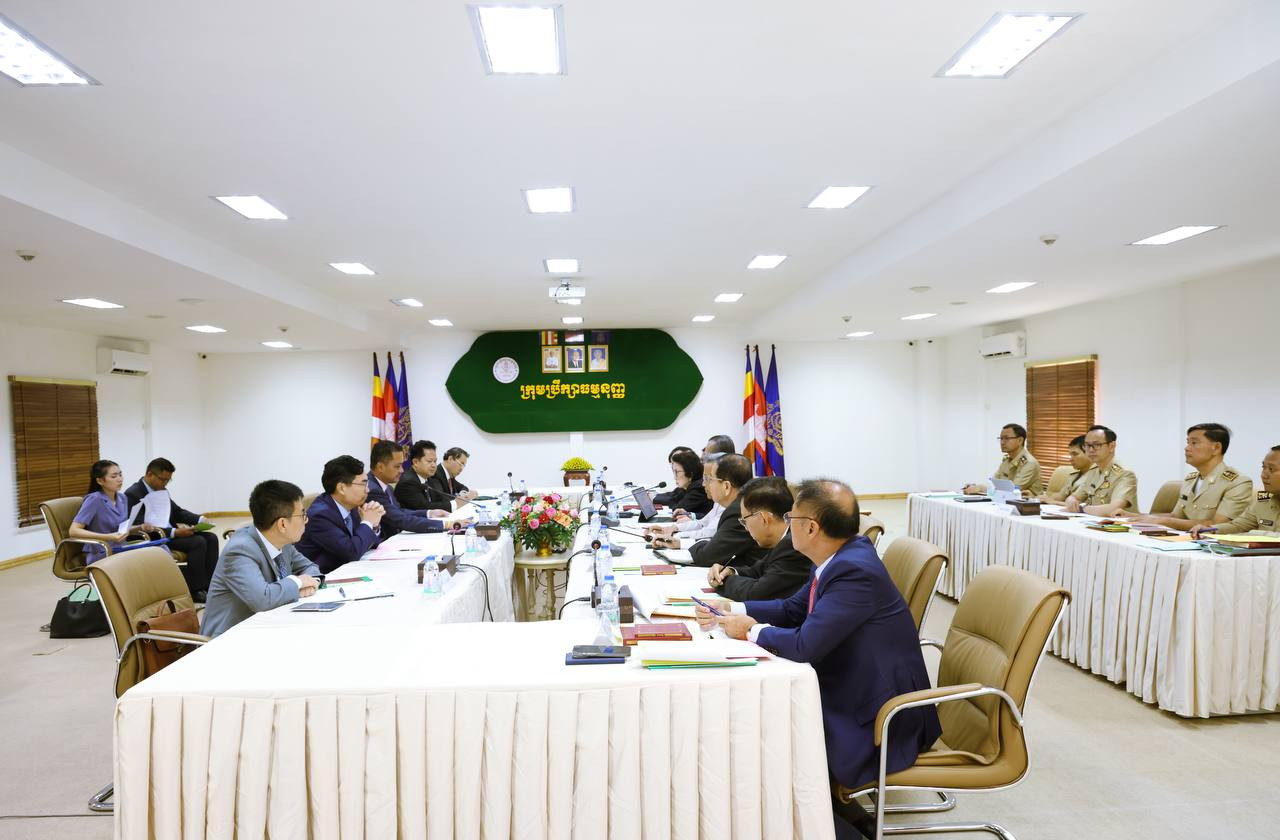
Cambodia is deliberating an amendment to its sub-national administration law, aiming to enhance administrative efficiency while reflecting the will of the people. On September 9, 2026, Deputy Prime Minister and Minister of Interior, Sar Sokha, explained at the Constitutional Council that the amendment has significant objectives and benefits for strengthening good governance and the rule of law at the local level. The amendment seeks to ensure that the appointment of leadership positions in sub-national administrations (communes and sangkats) is consistent with election results and the will of the voters, in line with the principles of liberal multi-party democracy enshrined in the Constitution and existing laws. Deputy Prime Minister Sar Sokha pointed out that in practice, challenges have arisen regarding the allocation of positions such as commune chiefs, first deputy chiefs, and second deputy chiefs. In some cases, consistency between election outcomes and the efficiency of leadership and administration in sub-national areas has not been fully ensured. This situation can lead to inconsistencies in leadership, coordination, and the execution of administrative tasks, potentially impacting the efficiency of public service delivery and local development. Therefore, the amended law aims to improve the formula or method for organizing sub-national leadership positions to better align with the actual situation and the needs of developing the local governance system. This is expected to strengthen the stability and efficiency of local institutions without compromising democratic principles, the will of the voters, or the accountability of public officials. It also aims to support the implementation of decentralization and deconcentration reform programs and to enhance the quality and efficiency of public service delivery to citizens. Consequently, commune and sangkat administrations will be capable of responding to the needs and interests of the people, without altering the electoral system, the formula for seat allocation as stipulated in the law on elections for commune/sangkat councils, or the rights of citizens and political parties to participate in the democratic process. The Constitutional Council is scheduled to hold a plenary session to review and decide on this bill on September 10, 2026, under the chairmanship of the President of the Constitutional Council. Source: CPP Cambodia
Original source
CPP Cambodia