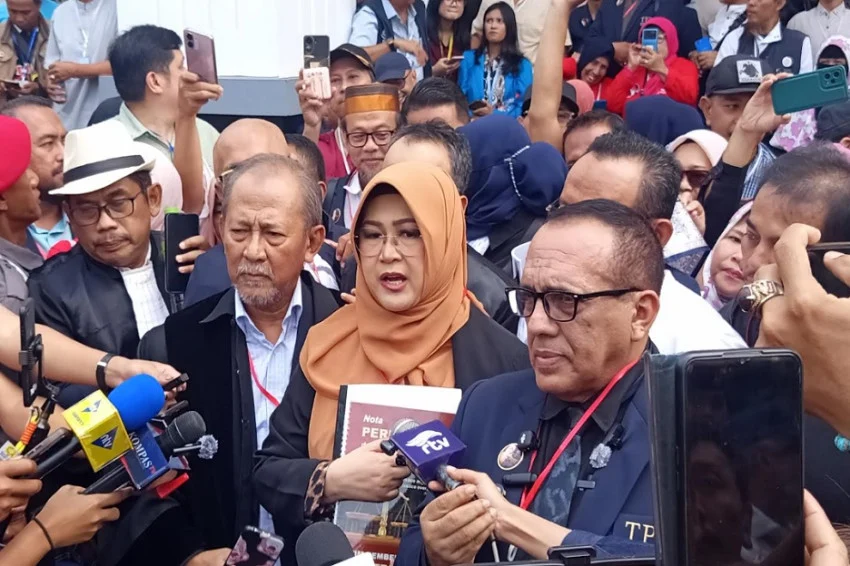
Dr. Tifa's Defense Demands Rejection of Prosecution's Charges
Society
2026年7月9日
3
Sindonews

Dr. Tifa's Defense Demands Rejection of Prosecution's Charges

AI サマリー

Indonesia's 'Dr. Tifa,' Tifa Syarifah, has formally requested the court to dismiss the charges presented by the prosecution in her ongoing trial. This marks a significant procedural step in her legal proceedings.

Tifa Syarifah, widely known as 'Dr. Tifa,' a prominent influencer in Indonesia, has formally requested the court to declare the prosecution's charges against her inadmissible. This marks a significant procedural step in her ongoing legal proceedings. The request is part of an "eksepsi" or exception motion, a defense strategy employed at the beginning of a trial. An exception is typically filed when there are alleged defects in the indictment or the legal process leading to the charges. By arguing that the charges are legally untenable, the defense aims to have the case dismissed before proceeding to the merits of the case. This development could ignite broader societal discussions in Indonesia regarding freedom of expression, criticism directed at public figures, and how such matters are handled within the legal framework. Cases involving influential social media personalities facing legal action often garner significant public attention. The court's decision on this exception will not only determine the immediate future of Dr. Tifa's trial but could also set a precedent for similar cases. If the exception is granted, the prosecution may need to revise its charges or withdraw the case. If denied, the trial will proceed to the evidentiary phase. Source: Sindonews

多角的分析

経済的影響

本件は直接的な経済活動への影響は限定的であると考えられる。しかし、著名なインフルエンサーが法的措置を受ける事実は、コンテンツクリエイターやオンラインプラットフォームの利用規約、およびそれらが法的にどう解釈されるかについての不確実性を高める可能性がある。これは、デジタル経済における表現の自由と法的責任のバランスという、より広範な経済的・規制的課題を示唆している。

投資家心理

投資家にとって、この種の法的手続きは、インドネシアにおける事業運営の法的・規制的リスクを評価する上での一つの指標となる。特に、メディア、エンターテイメント、またはソーシャルメディア関連企業に投資する場合、表現の自由に関する法的な枠組みや、公人が直面する可能性のある訴訟リスクを考慮する必要がある。

社会的影響

「ドクター・ティファ」ことティーファ・サリファ氏の裁判は、インドネシア社会における公人への批判と法的責任の境界線について、活発な議論を呼ぶだろう。彼女のようなソーシャルメディア上で大きな影響力を持つ人物が法廷に立つことは、多くの国民、特に若年層が情報の発信と受信のあり方、そしてそれに対する社会的な監視の目を再考するきっかけとなる。また、ジャカルタのような都市部では、オンラインでの発言が現実の生活や評判に与える影響の大きさが改めて浮き彫りになる。

市民の声

今回の件は、ジャカルタ市民の日常生活に直接的な影響を与えるものではないが、オンラインでの発言が招く法的結果に対する意識を高める可能性がある。特に、SNSを日常的に利用する市民は、自身の発言がどのような法的リスクを伴うのかを改めて考える機会となるだろう。また、公人が法的手続きを受ける様子は、司法への信頼や、情報がどのように管理・利用されるべきかという公共の関心事にもつながる。

背景・歴史的文脈

インドネシアでは、2008年に制定された電子情報・取引法(UU ITE)が、オンライン上での名誉毀損や扇動的な発言を取り締まるための法的根拠となっている。この法律は、その広範な適用範囲と、しばしば政治的・社会的な批判を抑圧するために利用されるという批判から、長年にわたり議論の的となってきた。公人が法的手続きに直面するケースは、UU ITEの解釈や適用に関する社会的な関心を高め、表現の自由と公共の秩序維持との間の緊張関係を浮き彫りにする。

原文ソース

Sindonews

原文を読む