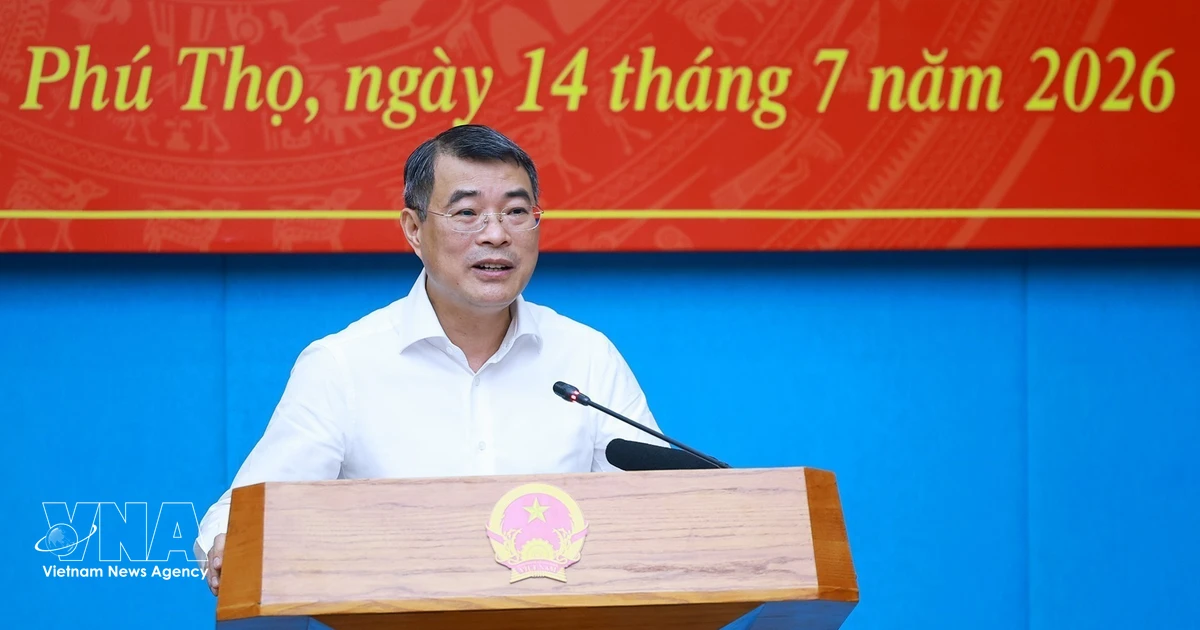
Phu Tho Province to Transform Growth Model, Become National Industrial Hub
Phu Tho province in northern Vietnam is aiming to transform into a national industrial hub by making tourism a new growth engine and investing heavily in AI and space technology. The province plans to attract US$7-8 billion in FDI between 2026-2030, promoting sustainable development.
Phu Tho province is poised to transform its growth model and become a national industrial hub, with a strategic focus on developing tourism into a spearhead economic sector and a new engine for sustainable growth. The province is implementing coordinated efforts in planning, infrastructure development, product diversification, human resource training, digital transformation, and destination branding. This comprehensive approach aims to leverage tourism's potential to drive economic advancement. A significant undertaking is a project with an initial investment of over US$500 million, concentrating on artificial intelligence and space technology-related applications. Upon full operation, this initiative is projected to generate annual revenues of approximately US$530 million and create around 2,000 jobs for local workers. For the 2026–2030 period, Phu Tho province has set an ambitious target to attract between US$7-8 billion in new FDI. A substantial portion, 60–70%, is earmarked for new-generation projects associated with high technology, innovation, and green development. This aligns with Vietnam's broader national strategy to shift towards higher value-added industries and embrace technological advancements. Prime Minister Le Minh Hung's emphasis on innovative thinking and leveraging border advantages underscores the national drive for double-digit growth, requiring decisive action to meet targets. The efforts to combat waste are framed not just as loss prevention but as preserving and utilizing growth opportunities to generate new resources for rapid and sustainable development. In a broader context, Politburo member Tran Cam Tu called for maintaining macroeconomic stability, controlling inflation, and ensuring energy and data security, alongside efforts against smuggling, cybercrime, and the dissemination of hostile information. These measures are crucial for fostering a stable environment conducive to investment and economic growth, particularly given Vietnam's position within a complex regional geopolitical landscape. The elevation of Vietnam-France relations to a Comprehensive Strategic Partnership, as noted by Thanh, signifies deepening political trust and a shared commitment to a peaceful and sustainable future, potentially opening avenues for further collaboration in areas like technology and development. Permanent Deputy Prime Minister Pham Gia Tuc suggested expanding cooperation in crop cultivation, livestock farming, forestry, irrigation, water resources management, environmental protection, development of processing value chains, increasing the value of mineral resources in Laos, and promoting agricultural trade. This highlights Vietnam's continued engagement with regional partners to bolster economic ties. News highlights from July 14 included PM Le Minh Hung's meeting with the Lao Cai provincial Party Committee's Standing Board, the findings of the 2026 economic census, and the designation of October 15 as Vietnam Digital Citizen Day. Regarding international relations, Vietnamese Ambassador to Algeria Tran Quoc Khanh expressed optimism about strengthening ties between the Communist Party of Vietnam and Algeria's ruling National Liberation Front. Timor-Leste's Deputy Prime Minister Francisco Kalbuadi Lay praised Vietnam's socio-economic achievements and its support for Timor-Leste's integration into regional and international bodies. Vietnam consistently regards the US and Japan as key partners, supporting their roles in promoting regional and global peace and prosperity, and aiming to elevate comprehensive strategic partnerships to new levels. Leaders on July 13 sent condolences to Qatar over the passing of former Emir Sheikh Hamad bin Khalifa Al Thani. General Nguyen Tan Cuong, Chief of the General Staff of the Vietnam People's Army, emphasized consolidating and developing friendly neighborliness and the Comprehensive Strategic Cooperative Partnership with China. Party General Secretary and State President To Lam pushed for a shift in cultural cultivation from traditional to both physical and digital spaces, balancing preservation with innovation. Amendments to the SBV law are proposed to codify existing foreign exchange rules and revise the central bank's special financial mechanism. Deputy PM and Minister of National Defence General Phan Van Giang's official visit to Japan was also a notable event. Information source: VietnamPlus English
多角的分析
プー・ト provinsi の成長モデル転換は、ベトナム経済が掲げる「質的成長」へのシフトを具体的に示す事例です。AIや宇宙技術といった先端分野への大規模投資は、単なる産業構造の高度化に留まらず、将来的な高付加価値産業の育成と、それに伴う雇用構造の変化を意図しています。年間5億3000万ドルの収益目標は、 provincial 経済にとって大きなインパクトとなり得ます。また、2026-2030年のFDI目標額70-80億ドルのうち、60-70%をハイテク・イノベーション・グリーン開発に振り向ける計画は、ベトナムが国際的なサプライチェーンにおいて、より高度な技術と持続可能性を要求される時代に対応しようとしていることを示唆しています。これは、過去の安価な労働力を中心とした成長モデルからの脱却を目指す、ベトナム経済の構造的転換の表れと言えます。
プー・ト provinsi の産業ハブ化計画は、特にテクノロジー、イノベーション、グリーン開発分野に関心を持つ投資家にとって魅力的な機会を提供します。5億ドル超のAI・宇宙技術プロジェクトへの初期投資は、この分野におけるベトナム政府の強いコミットメントを示しており、関連スタートアップやサプライヤーにとって新たなビジネスチャンスを生み出す可能性があります。2026-2030年のFDI目標額のうち、ハイテク分野への重点配分は、長期的な視点で成長が見込める分野への投資を奨励するものです。ただし、ベトナムにおける法制度の整備状況、特にAIや宇宙技術に関する規制、知的財産権の保護、そしてデジタルインフラの成熟度などは、投資判断において慎重に評価されるべき要素となります。過去のFDI誘致実績や、他地域との比較も重要になるでしょう。
プー・ト provinsi の産業ハブ化は、地域社会に雇用機会と経済的恩恵をもたらす一方で、新たな社会構造の変化ももたらす可能性があります。AI・宇宙技術関連プロジェクトによる約2,000人の雇用創出は、地域住民にとって所得向上やキャリア形成の機会となりますが、同時に、これらの先端技術分野で求められるスキルセットを持つ人材の育成が急務となります。教育機関や職業訓練センターとの連携が不可欠です。また、デジタル変革の推進は、地域住民の生活様式や情報アクセスに変化をもたらし、デジタルデバイド(情報格差)の解消が課題となる可能性があります。さらに、グリーン開発への注力は、環境保全と経済成長の両立を目指すものであり、地域社会の持続可能性を高める上で重要な要素となります。プー・ト provinsi の住民は、伝統的な農業や小規模産業から、より高度な技術産業への移行という変化に直面することになります。
プー・ト provinsi の住民にとっては、この成長モデルの転換は、新たな雇用機会の創出という恩恵をもたらす一方で、スキルアップや職業訓練への意欲が問われることになります。特にAIや宇宙技術といった先端分野での仕事は、これまでとは異なる専門知識や技術を必要とするため、既存の労働者がどのように適応していくかが注目されます。また、デジタル変革の進展は、情報へのアクセスを容易にする一方で、デジタル機器の利用やオンラインサービスへの対応が苦手な高齢者層などにとっては、新たな課題となる可能性があります。政府や地域社会による、こうした変化への適応を支援する取り組みが、住民の生活実感に大きく影響するでしょう。観光産業の発展は、地域経済の活性化に寄 繋がる一方で、観光客の増加によるインフラへの負荷や、地域文化への影響も懸念される可能性があります。
背景・歴史的文脈
ベトナムは、1986年のドイモイ(刷新)政策以降、市場経済化を進め、目覚ましい経済成長を遂げてきました。特に近年は、製造業の集積と輸出主導型経済モデルを基盤に、労働集約型産業から高付加価値産業への転換を目指しています。プー・ト provinsi のような地方都市を国家的な産業ハブへと育成する計画は、全国的な開発の均てん化と、特定の地域への経済的過度の集中を防ぐための、ベトナム共産党による長期的な国家開発戦略の一環です。これは、中央集権的な計画経済の要素と、市場原理の導入を組み合わせたベトナム特有の統治モデルに基づいています。また、中国との経済関係が深い一方で、地政学的なバランスを重視し、欧米や日本との関係強化も図っており、経済成長と国際社会での地位向上を両立させようとしています。
原文ソース
VietnamPlus English