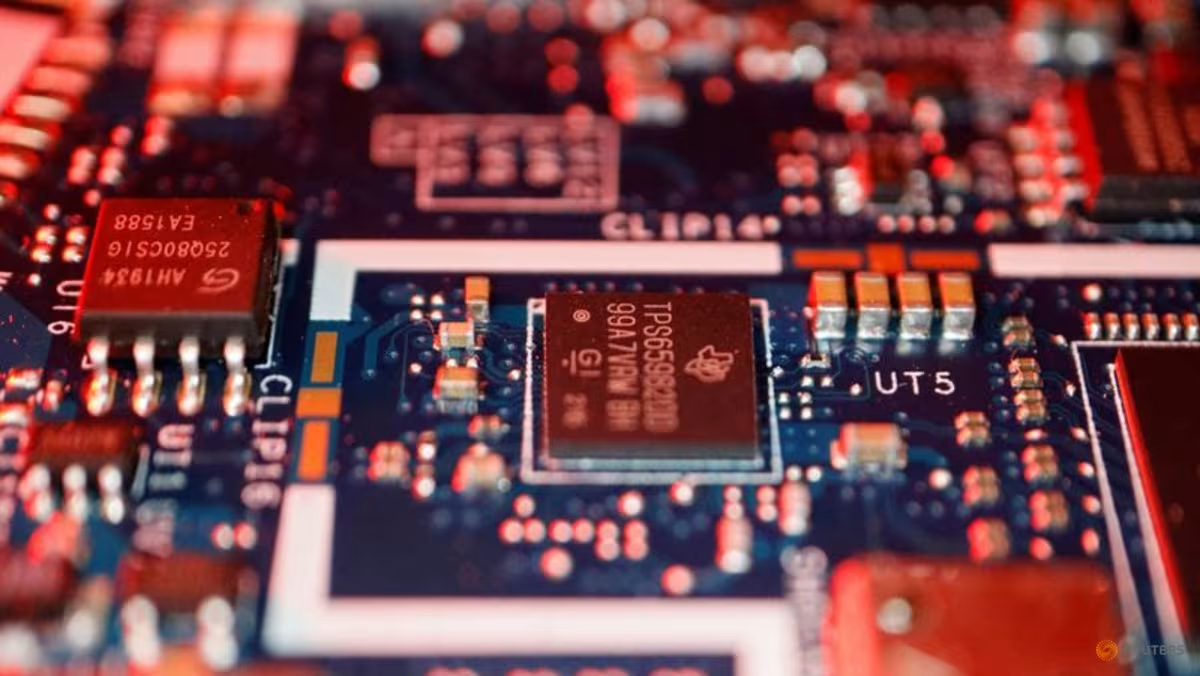
US Chip Export Curbs Test Southeast Asia’s AI Ambitions, Offer Chance for Regulatory Upgrade
New US export controls on advanced AI chips to several Southeast Asian nations introduce short-term uncertainty for AI development in the region, including Laos. However, these restrictions also present an opportunity to enhance the region's credibility as an AI investment hub and strengthen regulatory frameworks.
Read up to 3 eligible full articles per Japan day (JST) for free
Create a free account to open up to 3 eligible full articles per Japan calendar day (JST). Headlines and summaries remain available across ASEAN 7.
Related articles
- NA President Attends AIPA General Assembly, Seeks Enhanced Regional Cooperation
Lao National Assembly President attended the ASEAN Inter-Parliamentary Assembly (AIPA) General Assembly in the Philippines. As a full member, Laos aims to exchange views and strengthen cooperation in political, economic, and social spheres, emphasizing contributions towards a peaceful, prosperous, and people-centered ASEAN.
- Vientiane to Implement Automated Traffic Enforcement by Early 2027
Vientiane authorities plan to launch automated traffic enforcement using electronic cameras and speed monitoring devices by early 2027, aiming to address traffic congestion and signal malfunctions.
- US AI Chip Restrictions Expand to Southeast Asia, Laos Implications Unclear
The US has imposed new regulations on Singapore, Malaysia, Indonesia, and Thailand to prevent the diversion of AI chips to China. While Laos is not directly targeted, indirect impacts on the regional economy are a concern.
- Laotian Media Representative Learns AI and International Cooperation in China Training
A representative from Laos' Ministry of Culture and Tourism participated in an international media training program in China, gaining insights into AI utilization, China's media strategies, and international cooperation under the Belt and Road Initiative. Participants emphasized the importance of mutual understanding through knowledge sharing and cross-cultural exchange.