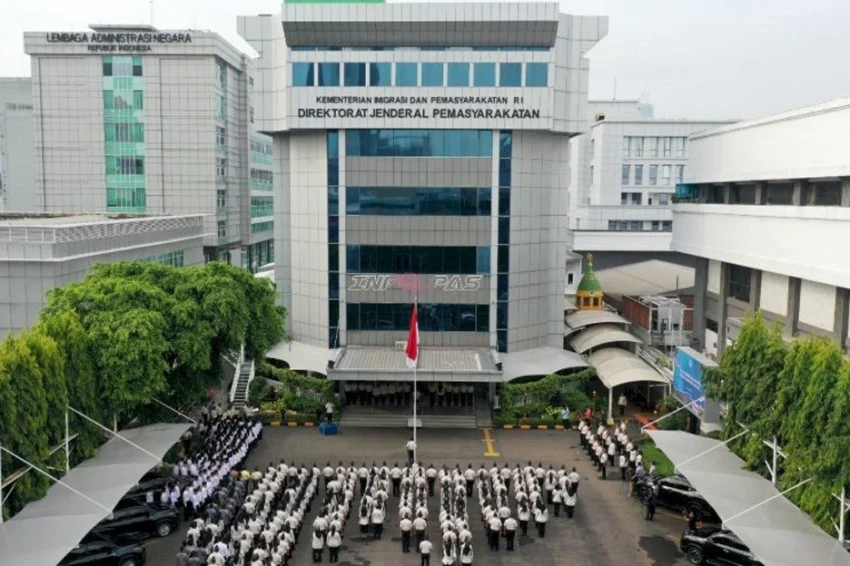
Indonesia's Prison Lock System Purchase Sparks Public Scrutiny
Indonesia's Directorate General of Correctional Facilities (Ditjenpas) is facing public scrutiny over the procurement of a prison locking system costing Rp92.5 billion (approximately USD 5.7 million). Ditjenpas claims the system is specially designed and not ordinary, but questions are being raised about its necessity and cost-effectiveness.
This article requires PRO
This article is outside the free access window or is a special report. PRO unlocks it and the full archive.
Related articles
- Jakarta Governor Rejects 'Iconic' Projects, Prioritizes Tangible Public Benefit
Jakarta Governor Pramono Anung has stated his intention to prioritize completing unfinished projects that offer tangible benefits to citizens over constructing 'iconic' or grand projects. He specifically mentioned the extension of LRT Jakarta and the redevelopment of the Tanah Abang area, emphasizing a focus on improving the quality of public life.
- Indonesia: Human Rights Ministry Demands Closure of Illegal Entertainment Zone in Residential Area
In Indonesia's Bangka Belitung Islands Province, the Ministry of Human Rights is calling for the closure of an illegal entertainment zone located within a residential area, amid concerns about its negative impact on youth. The ministry is collaborating with local governments and law enforcement agencies to facilitate its closure, aiming to ensure community safety and protect young people.
- PDIP Faction Demands Indonesia's Single Data System Prioritize Public Interest
The Indonesian Democratic Party of Struggle (PDIP) faction has urged the government to ensure the Single Data System (Sistem Satu Data Indonesia) is designed with the public's interests as the top priority. Transparency and consideration for citizens' lives are key concerns.
- Gas Leak Suspected in Surabaya Shop Explosion, Residents Shocked by Blast and Fire
An explosion at a shop in Pakuwon City, Surabaya, is suspected to be caused by a gas leak. A strong gas odor was reported from the scene, shocking residents. Police are currently investigating the detailed cause.