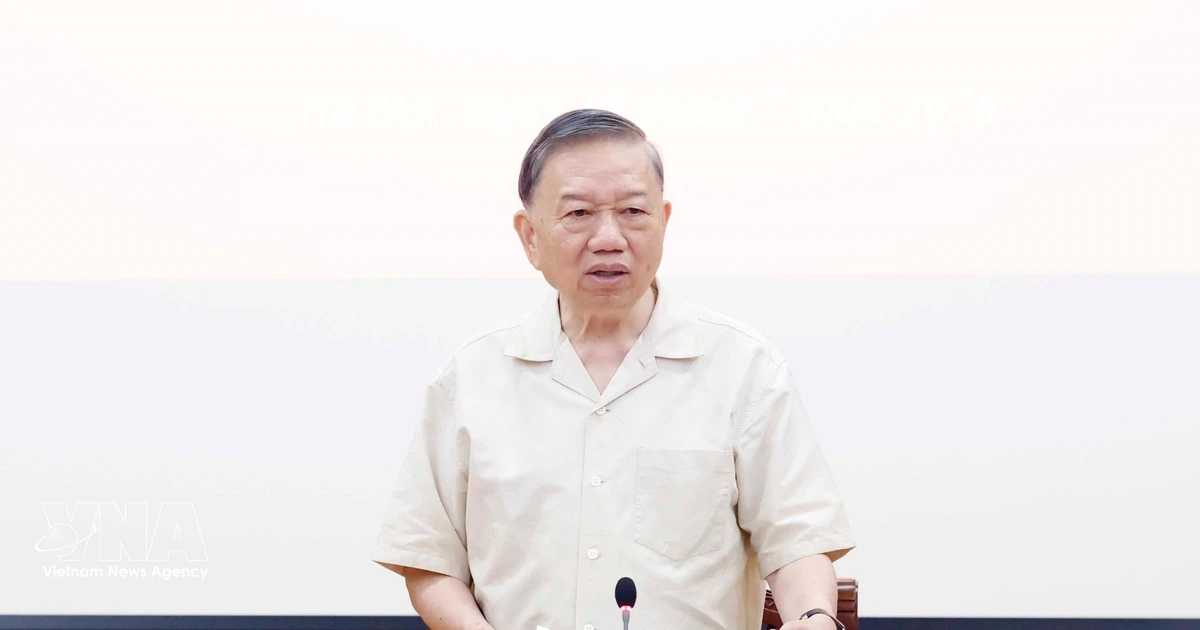
Vietnam Pushes Three Major Reforms for Socialist Culture Reshaping
Diplomacy
2026年7月13日
5
VietnamPlus English
Relations
🇻🇳Vietnam🇨🇳China

Vietnam Pushes Three Major Reforms for Socialist Culture Reshaping

AI サマリー

Vietnam's top leadership has urged for three major overhauls to reshape socialist culture in the new era. These initiatives aim to foster national consciousness, leverage digital technologies for cultural heritage, and strengthen international cooperation, reflecting Vietnam's commitment to sustainable development by integrating tradition with modernity.

Vietnam's top leadership has urged for three major overhauls to reshape socialist culture in the new era. This directive signifies a strategic approach to address contemporary challenges while preserving and developing the nation's identity and cultural heritage. The first pillar of reform focuses on transforming national consciousness and values. Gratitude towards ancestors and respect for those who sacrificed for the nation have long been integral to Vietnam's identity. This tradition is reflected in ancestor worship, the Worship of the Hung Kings, tributes to national heroes, and commemorations of those who gave their lives for independence and freedom. The leadership emphasizes the need to foster new moral and ethical values for contemporary society while respecting these traditions. Secondly, the digitalization and utilization of cultural heritage are prioritized. Vietnam possesses tens of thousands of historical and cultural sites. Experts believe that by integrating these valuable resources with digital technologies, they can become a major driver for culture, tourism, education, and creative industries. This is expected to boost both domestic and international interest and revitalize cultural exchange. The third reform involves strengthening international cooperation. Vietnam has expressed readiness to work closely with ASEAN member states and relevant countries to support Myanmar's economic recovery, address social issues, and combat transnational crimes, as it prepares to assume the ASEAN Chairmanship. Furthermore, Vietnam intends to continue efforts to enhance the Comprehensive Strategic Partnership with the EU, particularly in effectively implementing the EU-Vietnam Free Trade Agreement (EVFTA), ratifying the EU-Vietnam Investment Protection Agreement (EVIPA), and promoting the early removal of the European Commission's "yellow card" warning against Vietnamese seafood exports. This reflects Vietnam's diplomatic strategy to balance economic growth and sustainable development while fulfilling its role as a responsible member of the international community. These reforms demonstrate Vietnam's determination to maintain socialist values under its one-party system while achieving economic growth and enhancing its international standing in an increasingly globalized world. Particularly amidst complex relations with China, Vietnam aims to establish its cultural identity and contribute to regional stability and development. Information Source: VietnamPlus English

多角的分析

経済的影響

ベトナム経済は、伝統的な農業から製造業、サービス業へと構造転換を進めている。今回の文化改革は、経済成長の持続可能性を高めるためのソフトパワー強化策とも解釈できる。特に、文化遺産のデジタル化は、新たな観光収入やクリエイティブ産業の創出につながり、経済の多角化に寄与する可能性がある。また、国際協調の強化は、EVFTAなどの自由貿易協定の恩恵を最大限に引き出し、海外からの投資をさらに呼び込むための環境整備とも言える。ベトナム経済は、中国経済との連動性を高めつつも、独自の成長軌道を模索しており、文化を通じたソフトパワーの向上は、その一環として重要度を増している。

投資家心理

投資家にとって、ベトナムの文化改革は、長期的な視点での投資環境の安定化と成長ポテンシャルを示す兆候と捉えられる。文化遺産のデジタル化は、新たなビジネスチャンス、特にテクノロジー関連企業やコンテンツ産業への投資機会を生み出す可能性がある。また、国際協調の強化、特にEUとの関係深化は、貿易・投資環境の改善を意味し、EUからの直接投資(FDI)をさらに促進するだろう。ベトナム政府が、経済成長と並行して文化的なアイデンティティの強化を図る姿勢は、社会的な安定性を高め、投資リスクを低減させる要因となり得る。ただし、一党体制下での政策決定プロセスや、改革の具体的な進捗には引き続き注視が必要である。

社会的影響

ベトナム社会は、急速な経済発展とグローバル化の中で、伝統的な価値観と現代的なライフスタイルの間で揺れ動いている。指導部が社会主義文化の再構築を掲げる背景には、こうした社会の変化に対する懸念があると考えられる。文化遺産のデジタル化は、若い世代が伝統に触れる機会を増やす一方で、その解釈や伝達方法には新たな課題も生じうる。また、国際協調の強化は、国民の国際的な視野を広げる一方で、外部からの文化的な影響に対する意識も高めるだろう。この改革は、国民のアイデンティティ形成や、世代間の価値観の継承に深く関わるものであり、その進展は社会全体の安定と発展に影響を与える。

市民の声

ベトナム市民、特に都市部では、経済成長の恩恵を享受する一方で、伝統的な価値観と現代的なライフスタイルの間で葛藤を感じている者も少なくない。指導部が掲げる社会主義文化の再構築は、一部の市民にとっては、国家のアイデンティティを再確認し、社会的な安定を求める動きと映るかもしれない。文化遺産のデジタル化は、若い世代が歴史や文化に親しむ新たな機会を提供するだろう。しかし、その過程で、伝統的な価値観がどのように再解釈され、次世代に伝えられるのか、そして、グローバル化の波の中で、ベトナム独自の文化がどのように維持されるのか、といった点に関心が集まるだろう。国際協調の強化は、海外との交流を促進し、国民の視野を広げる一方で、国内の文化とのバランスが問われることになる。

背景・歴史的文脈

ベトナムは、1986年のドイモイ(刷新)政策以降、市場経済を導入し、目覚ましい経済成長を遂げてきた。その過程で、社会主義的な価値観と資本主義的な経済システムとの間で、文化的なアイデンティティの再定義が求められてきた。特に、中国との歴史的・地政学的な関係は、ベトナムが独自の文化と国家アイデンティティを確立する上で常に重要な要素となっている。近年、デジタル技術の進展は、文化遺産の保存・活用に新たな可能性をもたらし、国際社会との連携強化は、ベトナムが地域および世界の舞台でより大きな役割を果たすための外交戦略となっている。今回の改革は、これらの背景を踏まえ、経済発展と社会主義的価値観の調和を図り、国家のソフトパワーを強化しようとする試みである。

原文ソース

VietnamPlus English

原文を読む