Thailand Considers Expanding Early Retirement for Civil Servants Amid Structural Challenges
Technology
2026年7月9日
6
Bangkok Post

Thailand Considers Expanding Early Retirement for Civil Servants Amid Structural Challenges

AI サマリー

The Thai government is considering expanding voluntary early retirement for civil servants to address long-standing structural issues. The Deputy Prime Minister argues that delaying reforms, given AI's impact on the labor market, will worsen the problem, though concerns about age thresholds and post-retirement opportunities persist.

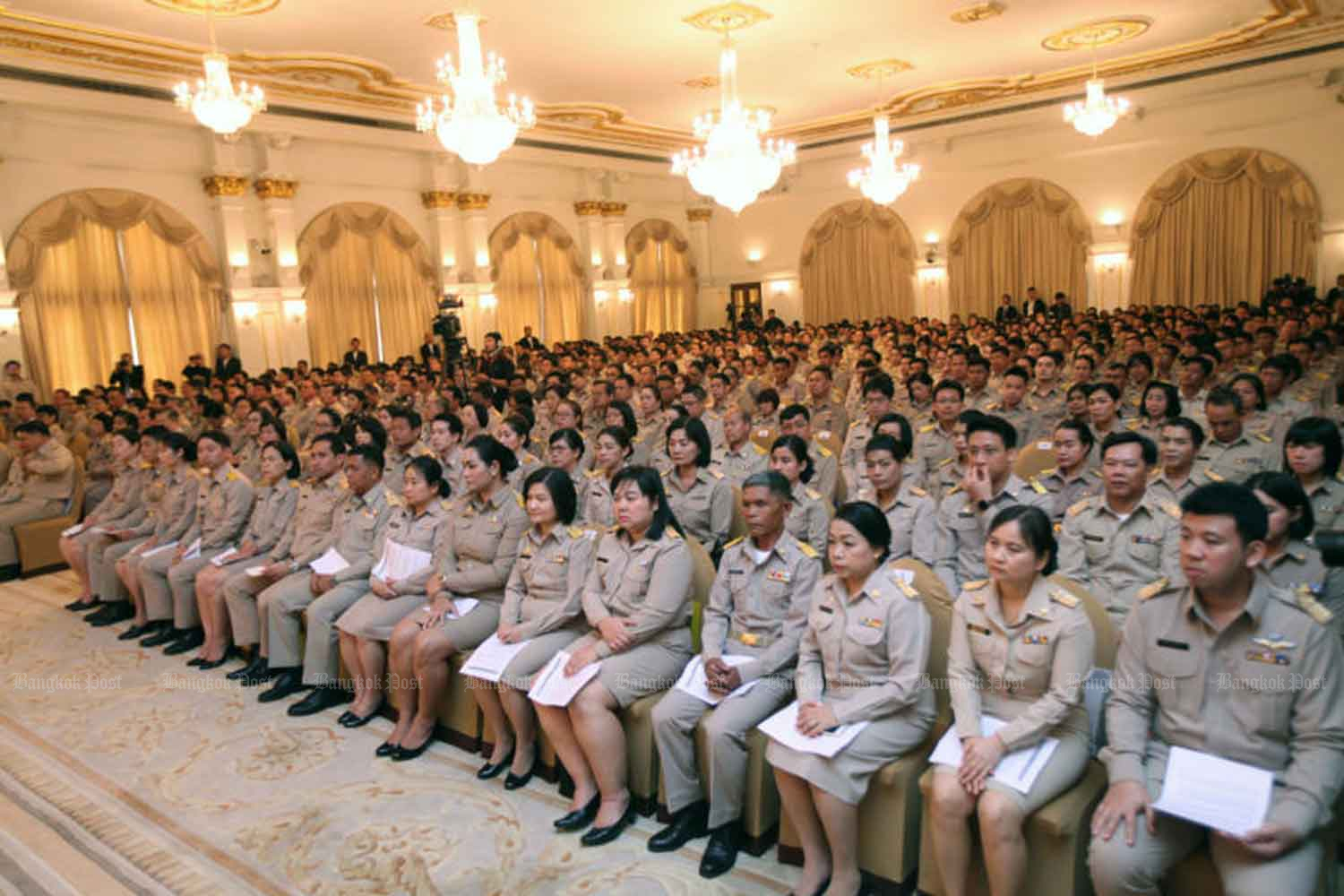
The government's proposal to expand voluntary early retirement for civil servants is needed to tackle long-standing structural problems that can no longer be postponed, Deputy Prime Minister Pakorn Nilprapunt said on Wednesday. He said the proposal is not intended for all officials aged 40 and above, but is expected to focus primarily on those aged 40-45, taking pension and gratuity entitlements into account. He said encouraging older officials, particularly those aged 50 and above, to retire early would be less practical because many would struggle to switch careers. “Changing careers is not easy, especially in the AI era,” he said. “Many people are already losing jobs because of technological disruption, so the question is how they can be upskilled and reskilled.” Mr Pakorn said the challenge is not unique to Thailand, as rapid advances in artificial intelligence and digital technology are reshaping labour markets worldwide. Some university graduates have adapted by becoming entrepreneurs, using AI and social media to support small businesses. However, he said older workers often have greater family responsibilities, making career changes more difficult. For that reason, the government will maintain the principle of voluntary participation. “If someone chooses to resign voluntarily, it means they have already prepared a path forward, and they should be allowed to pursue it,” he said, adding that preliminary estimates suggest more than 10,000 civil servants could qualify for the programme, although the figure remains under review. He said any early retirement scheme would require careful preparation, including upskilling and reskilling, to help participants adapt to future labour market demands. “This is not something that will happen overnight,” he said. “It requires careful planning.” Responding to criticism that the proposal is unrealistic, Mr Pakorn said delaying reform would only worsen the problem. “If we don’t act today and wait another 10 years, the problem will become even bigger and future generations will have to deal with it,” he said. “These problems did not just emerge recently — they have accumulated over many years.” The proposal to allow civil servants to take early retirement continues to spark debate, with academics warning the plan may be misguided and could create new social and economic challenges. Satithorn Thananithichot, political science lecturer at Chulalongkorn University’s faculty of political science, said setting the threshold at 40 is excessive. He said that while budget concerns drive the idea, civil service salaries are relatively low, meaning the fiscal burden is not as heavy as perceived. The bigger issue, he said, is what happens after retirement. “If people leave the system, will there be jobs or businesses to absorb them? The real problem lies in the inefficient use of civil servants, not their numbers as such. Many officials are tied up in routine, regulation‑heavy tasks that do not generate economic productivity,” Mr Satithorn said. Instead of cutting staff, he suggested redistributing workloads. The remarks come as the government studies a major overhaul of the civil service to curb rising personnel costs and modernise the bureaucracy.

多角的分析

経済的影響

タイの公務員制度における早期退職制度の拡大は、構造的な人件費負担の軽減と官僚機構の効率化を目指すものと考えられる。しかし、退職者の再就職支援が不十分な場合、失業率の増加や社会保障費の増大につながるリスクがある。また、AI時代における労働市場の変化に対応するためのリスキリング・アップスキリングへの投資が、制度の成否を左右する。過去の類似事例では、十分なセーフティネットや再教育プログラムが提供されなかった場合、高齢者の貧困や社会的不安が増大したケースが見られる。

投資家心理

公務員制度改革は、直接的な投資機会を生むものではないが、タイ経済全体の効率性向上につながる可能性を秘めている。官僚機構のスリム化と効率化は、ビジネス環境の改善や規制緩和を促進し、国内外からの投資を呼び込む要因となりうる。一方で、退職者の増加が国内消費に与える影響や、新たな産業分野への人材シフトが円滑に進むかどうかが、長期的な経済成長と投資環境に影響を与える可能性がある。

社会的影響

公務員の早期退職制度は、特に40歳という年齢設定が、キャリアの転換期にある多くの公務員とその家族に不安を与えている。退職後の生活設計や再就職先の確保が不透明な場合、生活水準の低下や社会的な孤立を招く恐れがある。また、若手公務員の昇進機会の増加という側面もあるが、経験豊富なベテラン職員の流出が、公共サービスの質に影響を与える可能性も指摘されている。バンコクの公務員は、地方公務員と比較して、より多様なキャリアパスを模索しやすい環境にあるが、それでもAIによる職務の変化への適応は大きな課題となっている。

市民の声

公務員の早期退職制度の拡大は、直接的な影響を受ける公務員とその家族にとって、生活設計の根幹に関わる問題である。特に40代前半で退職を余儀なくされる場合、新たな職探しやスキル習得の必要性に直面し、経済的な不安や精神的な負担が増大する。また、退職後の公務員が新たなビジネスを始める際に、政府からの十分な支援が得られない場合、社会的なセーフティネットの不足が懸念される。地方では、公務員が地域経済の重要な担い手である場合も多く、その流出は地域社会にも影響を及ぼす可能性がある。

背景・歴史的文脈

タイの公務員制度は、長年にわたり「雇用の安定」と「官僚機構の肥大化」という二律背反の課題を抱えてきた。特に、退職年齢の遅延や昇進の停滞は、組織の硬直化を招き、非効率な業務遂行の一因とされてきた。過去にも公務員制度改革の議論は度々行われてきたが、政治的な抵抗や既得権益層の反対により、抜本的な改革は進んでこなかった。近年、AI技術の急速な発展とそれに伴う労働市場の変化は、タイ政府に対し、公務員制度の近代化と効率化を迫る契機となっている。今回の早期退職制度の提案は、こうした背景を踏まえ、構造的な課題に踏み込もうとする政府の意思表示と見られる。

原文ソース

Bangkok Post

原文を読む