Cambodia Advances Comprehensive Commercial Code to Unify Business Laws
Cambodia has initiated the drafting of a comprehensive Commercial Code to unify fragmented and inconsistent business laws, aiming to enhance the investment climate and address regulatory complexities hindering economic growth.
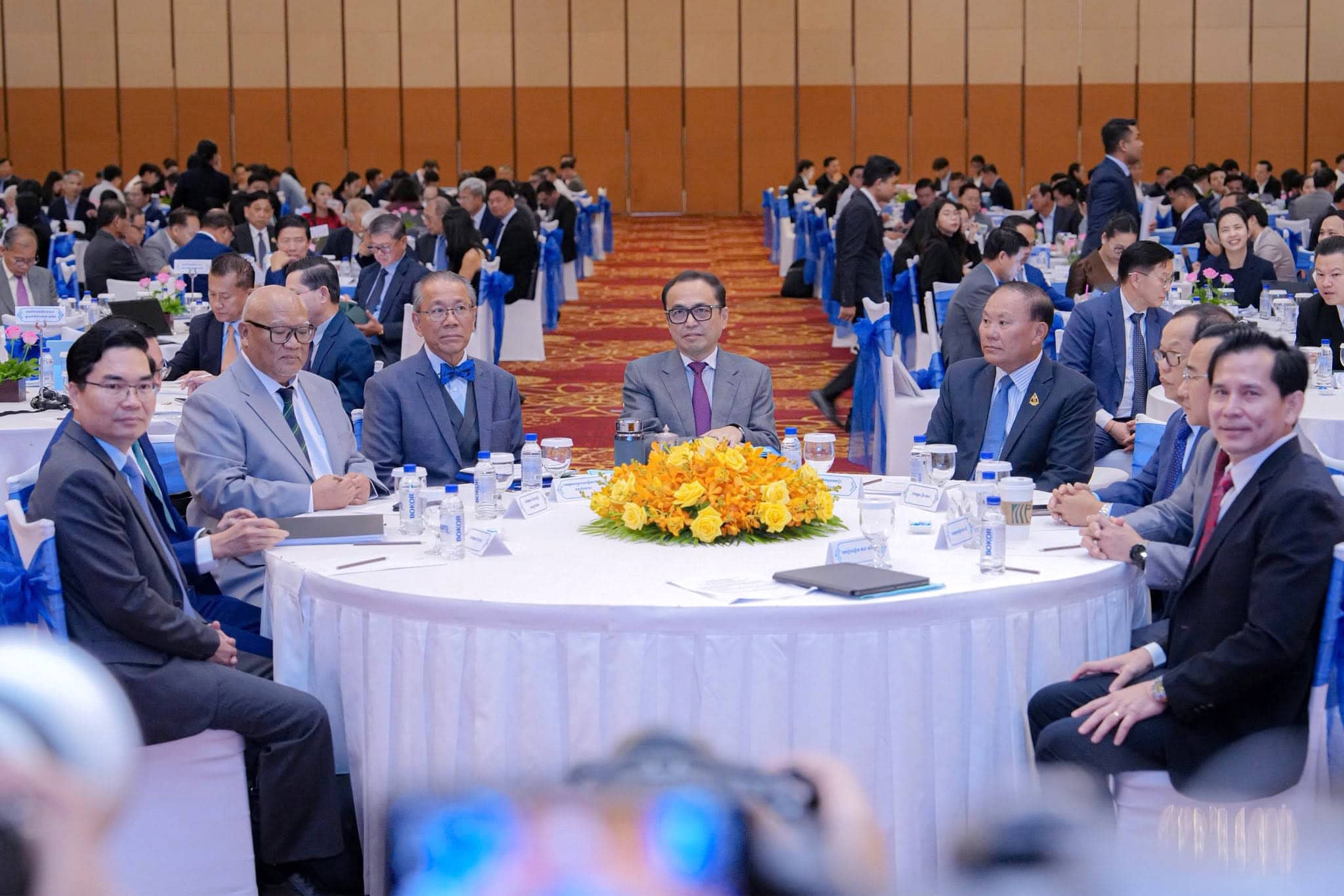
Cambodian lawmakers have begun discussions on the drafting of a comprehensive Commercial Code, a long-term legal reform initiative aimed at unifying fragmented business laws, reducing regulatory complexity and creating a more predictable environment for investment and economic growth. Speaking at a June 24 seminar on the preparation of the new code, Permanent Deputy Prime Minister Vongsey Vissoth explained that the initiative marks a new phase in the government’s legal reform programme, seeking to consolidate laws and regulations governing commerce into a coherent legal framework that supports businesses and strengthens the rule of law. The Phnom Penh seminar, organised by the Secretariat of the Steering Committee for Legal Reform, brought together around 400 participants, including senior government officials, representatives from ministries and institutions, members of the judiciary, private sector representatives, diplomats, international organisations, legal professionals and domestic and international policy experts. Vissoth said the proposed code will become an important pillar of Cambodia’s legal architecture, providing clearer rules for commercial activities while improving efficiency and supporting business expansion. “The preparation of a Commercial Code is a significant step within the Royal Government’s legal reform programme. It aims to establish a clear and coherent framework for commercial laws that can support businesses, improve efficiency and contribute to the integrity of Cambodia’s legal system and the rule of law,” he noted. The deputy prime minister acknowledged that despite substantial progress in legal reform over nearly three decades, Cambodia’s legal system continues to face a range of structural challenges. Among the issues identified were inconsistencies between existing laws, gaps between policy and legislation, discrepancies between laws and their implementation, outdated regulations, overlapping institutional mandates and jurisdictional conflicts. He also highlighted concerns frequently raised by the private sector, including cumbersome business registration and licensing procedures, inconsistencies between laws and subordinate regulations, and legal uncertainty surrounding digital public services. “The world is changing rapidly. Trade is evolving from traditional forms to digital commerce and green trade, while global, regional and bilateral trade relations are becoming increasingly diverse and complex. Cambodia cannot avoid the impact of these transformations,” Vissoth said. He noted that some laws have become obsolete or difficult to implement, while gaps remain in legal provisions governing emerging areas, particularly the digitalisation of public services. In addition, confidence in the judicial system and mechanisms for resolving commercial disputes remains a challenge that requires continued reform, he said. According to Vissoth, these issues have become significant barriers to efficiency, economic growth and Cambodia’s broader development agenda. To address them, the government is proposing to compile essential legal rules governing commerce into a single code that would provide greater legal certainty and establish what he described as a “level playing field” for all economic actors. He said such a framework is essential in a market economy because businesses require clear, transparent and consistent rules to operate efficiently and compete fairly. The Commercial Code has been identified as one of the core priorities under the government’s legal reform strategy, which was formally adopted in 2025 following the establishment of the Steering Committee for Legal Reform in 2024. Vissoth stressed, however, that the initiative is a long-term project requiring extensive study, consultations and participation from all stakeholders. At the same time, he argued that Cambodia cannot afford to delay the process. “If we truly want to solve the problems Cambodia is facing and pave the way for stronger economic growth, investment and business development, while improving people’s livelihoods, we cannot wait another 10 or 20 years to complete this Commercial Code,” he said. “We must treat this as a priority and move forward as quickly as possible, while ensuring the process is comprehensive, effective, practical and beneficial,” he added. He urged participants in the seminar to contribute actively and constructively, particularly in discussing the methodology for drafting the code and determining its scope, drawing lessons from international experiences while ensuring the new framework reflects Cambodia’s own legal traditions, context and development needs. The initiative comes as Cambodia seeks to modernise its legal and regulatory framework amid rapid changes in global commerce, with policymakers increasingly emphasising legal certainty, regulatory efficiency and investor confidence as key factors in sustaining long-term economic growth.
多角的分析
カンボジア経済は、法制度の不確実性、特に商取引に関する規制の断片化と不整合に長年悩まされてきました。これは、国内企業の成長を阻害するだけでなく、外国人投資家にとってリスク要因となっています。新しい商業法典は、これらの問題を解消し、より透明で予測可能なビジネス環境を提供することで、国内投資の活性化と直接投資(FDI)の誘致を促進する可能性があります。特に、デジタル商取引やグリーン貿易といった新たな分野への対応は、カンボジアが国際経済の潮流に乗り遅れないために不可欠です。過去の法改正の遅れや、実施段階での課題を考慮すると、法典の制定と効果的な施行が今後の経済成長の鍵となります。
投資家にとって、カンボジアの法制度の不確実性は、投資判断における主要な懸念事項の一つです。商取引に関する法律が統一されておらず、矛盾や解釈の余地が大きい場合、契約の履行や紛争解決において予期せぬリスクに直面する可能性があります。新しい商業法典の制定は、これらのリスクを低減し、投資家がより安心して事業を展開できる環境を整備することが期待されます。特に、法的確実性の向上は、長期的な視点での投資を促進し、カンボジアの経済発展に不可欠な資本の流入を後押しするでしょう。しかし、過去の法改正の経験から、法典の具体的な内容と、それがどれだけ迅速かつ効果的に施行されるかが、投資家の信頼を得る上で極めて重要になります。
法制度の不確実性は、カンボジアの市民生活にも間接的な影響を与えています。例えば、不十分な消費者保護法や、契約履行に関する不明確な規定は、小規模事業者や個人が不当な取引に巻き込まれるリスクを高めます。また、ビジネス登録や許認可手続きの煩雑さは、起業を目指す若者や、新たな雇用機会を創出したい人々にとって、大きな障壁となり得ます。新しい商業法典が、より明確で公正なルールを導入し、手続きを簡素化することで、国民の経済活動への参加を促進し、生活水準の向上に寄与することが期待されます。しかし、法改正の恩恵が社会全体に行き渡るためには、情報へのアクセスや、法制度に関する理解を深めるための教育も同時に進められる必要があります。
カンボジアの市民、特にビジネスを営む人々や起業家は、現行の商取引法制の不整合に直接的な影響を受けています。複雑で矛盾した法律は、ビジネスの立ち上げや運営を困難にし、予期せぬコストや遅延を生じさせます。また、法の施行における不確実性は、紛争解決を難しくし、経済活動の停滞を招く可能性があります。新しい商業法典の制定は、これらの市民がより安定した環境で経済活動を行い、生活を向上させる機会を提供すると期待されています。特に、デジタル化が進む現代において、オンライン取引やグリーン貿易に関する法整備は、市民の経済参加を促進する上で重要です。しかし、法典の内容が市民のニーズや実情に合致しているか、そしてその恩恵が広く行き渡るかが、今後の課題となります。
背景・歴史的文脈
カンボジアの法制度は、長年にわたる内戦と混乱の影響を受け、特に商取引に関する法規は断片的で、時代遅れのものが多く残されています。1990年代以降、経済自由化と国際社会からの支援を受けて法改正が進められてきましたが、法制度間の不整合、政策と立法との乖離、実施上の課題が指摘され続けてきました。2024年に法改正推進委員会が設立され、2025年には法改正戦略が採択されるなど、政府は法制度の近代化を喫緊の課題と認識しています。今回の商業法典の制定は、これらの長年の課題に対処し、カンボジアが国際的なビジネス環境に適合するための重要な一歩と位置づけられます。
原文ソース
Phnom Penh Post