General articles are free for 24 hours after publish.
Myanmar Prison Officials Financially Exploiting Political Prisoners, Rights Group Says
Political prisoners in 13 facilities across Myanmar are facing systemic financial exploitation by prison authorities, who are extorting families sending commissary funds and care packages, according to the Political Pris
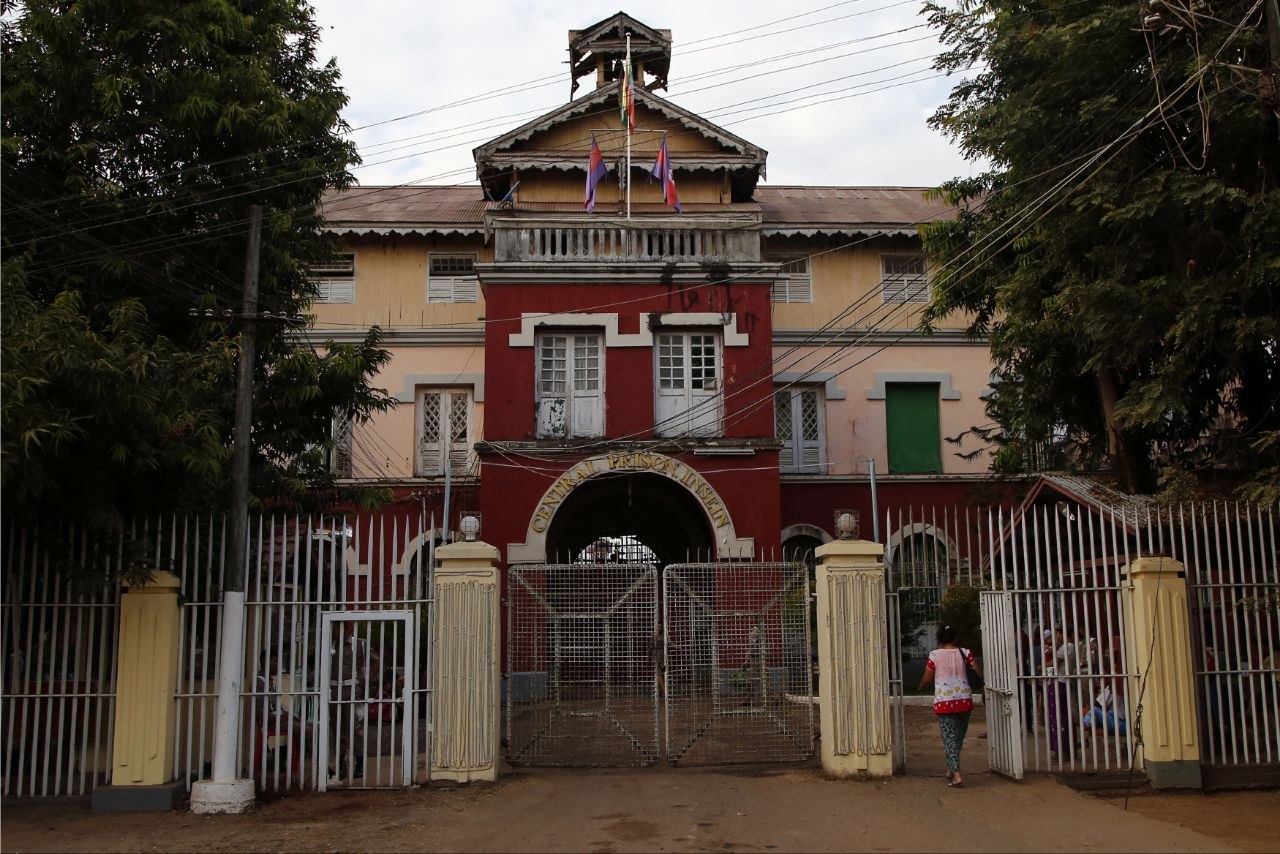
Political prisoners in 13 facilities across Myanmar are facing systemic financial exploitation by prison authorities, who are extorting families sending commissary funds and care packages, according to the Political Prisoners Network – Myanmar (PPNM). PPNM documented these abuses over four months from May to August 2026. Authorities have confiscated between 2% and 20% of the money the families provided for prisoners’ official commissary accounts. The exploitation is reportedly most severe at Obo and Meiktila prisons in the central Mandalay Region. "We have released the names of the 13 prisons where political prisoners are being financially exploited, along with the names of the prison wardens primarily responsible for these abuses," said Ma Yaung Ni Lin, a spokesperson for PPNM. "Taking a 2 to 20 percent cut from family deposits is an unjust financial exploitation of political prisoners." At nine facilities—Obo, Meiktila, Taungoo, Kyaikmaraw, Daik-U, Pyay, Myingyan, Shwebo, and Paungde—authorities have also mandated that families send parcels using specific bags sold by the prison for 1,500 to 2,000 Myanmar Kyat (MMK). Prison authorities impose additional surcharges when those from non-family members provide food and goods. Essential medical supplies were also intercepted. "Medicine sent to political prisoners is being restricted or confiscated before it reaches them," Ma Yaung Ni Lin explained. "For example, a family might send 10 blister packs of pills, but only three to seven packs will actually reach the prisoner." Obo Prison is cited as the worst facility for delaying medical deliveries. At the same time, Daik-U, Meiktila, and Myitkyina prisons are notorious for outright banning medicine or failing to deliver it entirely. The 13 prisons implicated in the PPNM report are Obo, Meiktila, Taungoo, Kyaikmaraw, Daik-U, Myingyan, Pyay, Hinthada, Myitkyina, Myeik, Magway, Shwebo, and Paungde. "PPNM strongly condemns the authorities at these 13 prisons," Ma Yaung Ni Lin added. "We will continue monitoring, investigating, and documenting whether similar abuses are occurring in other facilities." The exploitation extends to forced labor for those who cannot pay extortion fees. On July 23, authorities demanded bribes from political prisoners transferred from Taungoo to Thayarwady Prison. According to PPNM, those prisoners unable to pay were subjected to hard labor, including carrying water, cleaning toilets, and performing agricultural work.
Original source
BNI (Burma News International)