General articles are free for 24 hours after publish.
Cambodia Sees 52-Point Jump in PISA Science Score, Highlighting Education Reform Success
Cambodia has achieved a significant 52-point increase in its science score in the 2025 Programme for International Student Assessment (PISA), demonstrating the impact of its education reforms. Improvements were also noted in mathematics and reading, signaling progress in educational quality and equity.
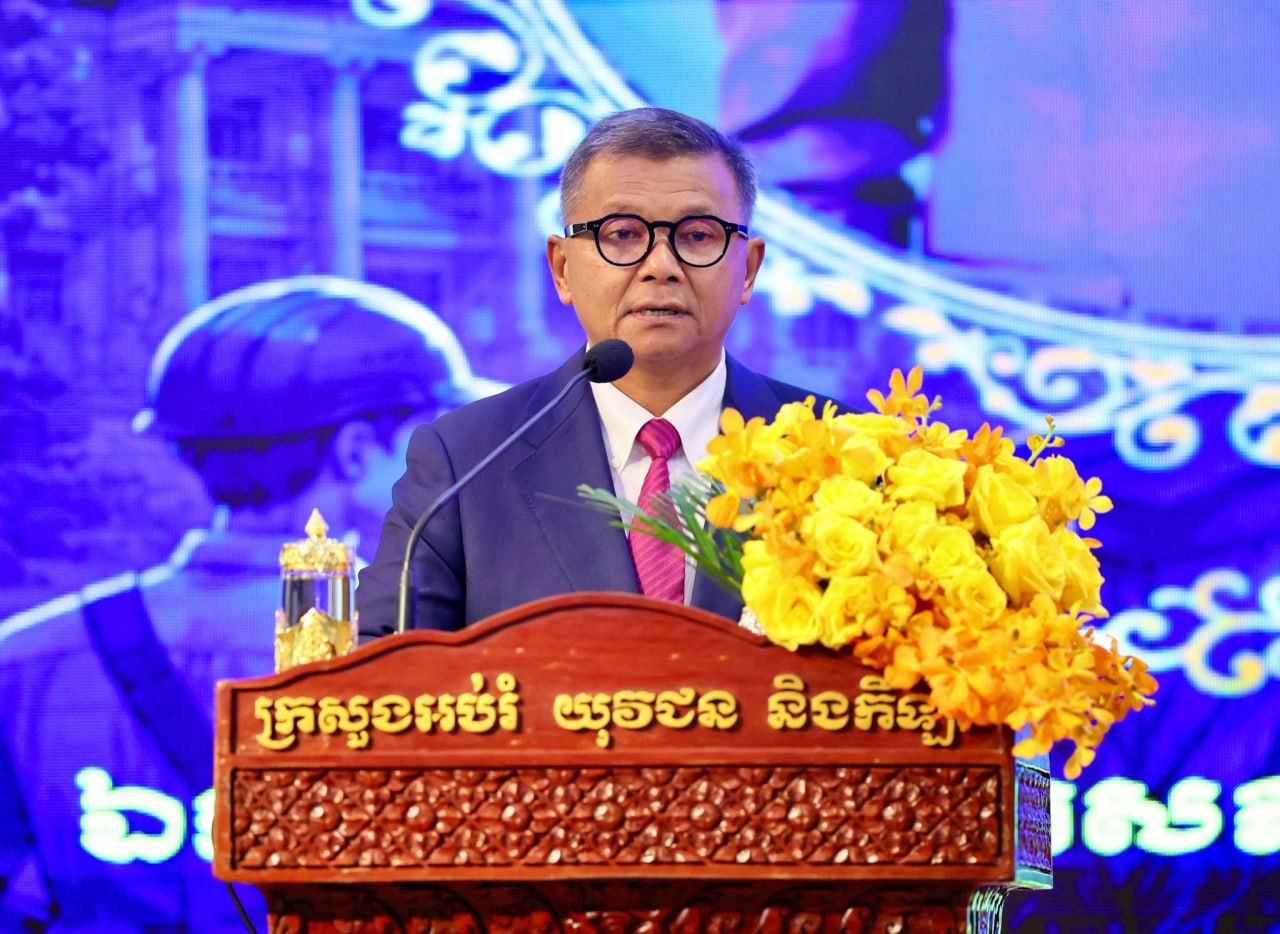
Cambodia has recorded significant improvements in student learning outcomes, with its science score rising by 52 points in the 2025 Programme for International Student Assessment (PISA), according to Deputy Prime Minister and Minister of Education, Youth and Sport H.E. Dr. Hang Chuon Naron. Speaking on the afternoon of Sept. 8, 2026, the DPM said the PISA 2025 results released by the OECD Secretariat showed the remarkable improvements in Cambodia’s education system, while student performance in many developed countries continued to decline. Compared with the results in 2018, Cambodian students recorded substantial gains across all three areas assessed by PISA. Science scores increased by 52 points, mathematics by 41 points, and reading by 26 points, he said. The PISA 2025 assessment involved 91 education systems, including 38 OECD member countries and 53 partner countries and economies. The DPM noted that Cambodia achieved these improvements despite being a developing country with a GDP per capita of approximately US$2,870. Cambodia spends around 2.18 percent of its GDP on education, while OECD countries, whose average GDP per capita ranges from more than US$40,000 to US$50,000, spend an average of around 4.9 percent of GDP on education, he said. The DPM described Cambodia’s PISA performance as a significant achievement and attributed the progress to education reforms implemented over the past 13 years. These reforms include increased investment in school buildings and educational infrastructure, expanded early childhood education services, greater school autonomy, improved teacher salaries and qualifications, as well as scholarship programmes and school feeding initiatives. According to the DPM, these measures have helped narrow educational inequalities between students from poorer and wealthier families, as well as between schools in urban and rural areas. The latest PISA results, he said, demonstrate the progress made through Cambodia’s long-term education reforms and provide further encouragement to continue improving the quality and equity of education across the country. By Heng Panha
Original source
AKP Cambodia