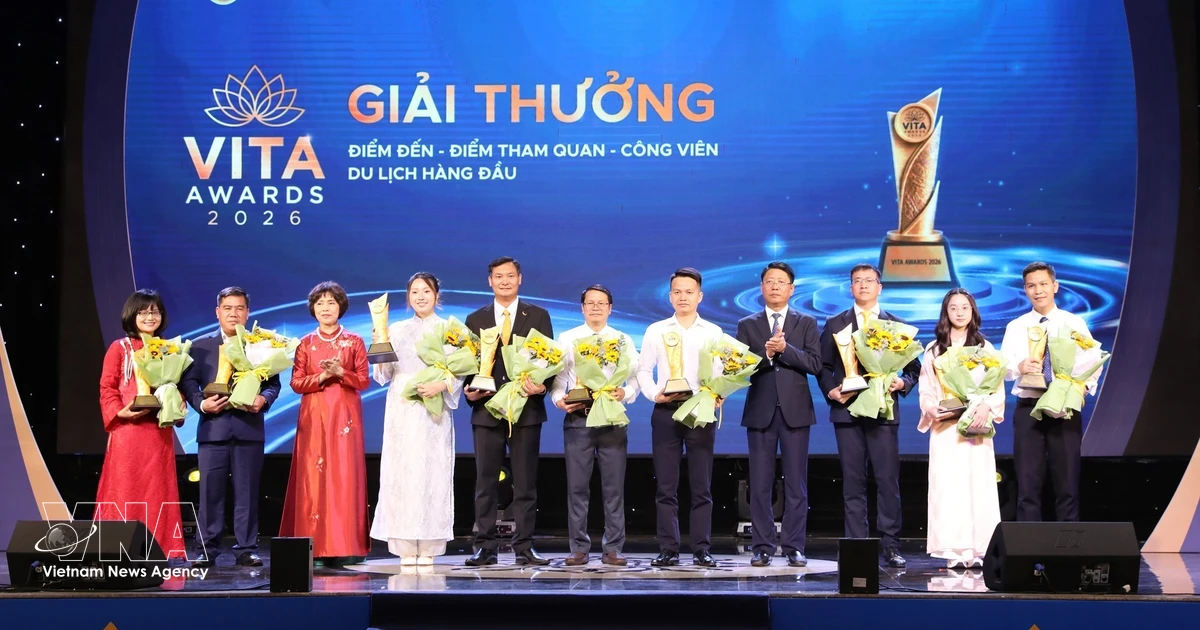
VITA Awards 2026 Honour 106 Winners in Vietnam
Vietnam held the VITA Awards 2026, honoring 106 recipients for their contributions to the tourism sector. The event emphasized sustainable tourism, cultural heritage preservation, and community strengthening, alongside efforts to boost international cooperation and business partnerships.
Vietnam has announced the winners of the VITA Awards 2026, honoring 106 individuals and organizations for their contributions to the nation's tourism sector. This recognition celebrates significant achievements within Vietnam's tourism industry as the country strives to solidify its position as a leading tourist destination. The Vietnamese government reiterated its commitment to continuously improving institutional frameworks and standards, developing human resources, expanding Halal-certified services, strengthening international cooperation, promoting business partnerships, and building the country's brand as a new destination for Halal tourism. This focus is particularly aimed at attracting tourists from Muslim-majority countries. The article also highlights the concept of 'circular tourism,' which goes beyond conventional sustainable tourism. This approach embraces a regenerative model where every journey contributes to restoring ecosystems, preserving cultural heritage, and strengthening the resilience of local communities, suggesting a new form of tourism that emphasizes contribution to the locality rather than mere consumption. Quang Ninh province's booth attracted numerous visitors, showcasing its tourism potential despite the exhibition's industrial focus. The low percentage of Indonesian visitors (0.4% of total international arrivals) indicates substantial room for growth and broader cooperation. Hanoi aims to welcome over 9 million foreign arrivals this year and has already achieved more than half of this target. This milestone is a source of pride for the city's tourism industry and a positive signal of its growing appeal to international travelers. The introduction of special ticket prices for visitors aged 25 and under is a strategic move to attract a new customer segment. Vietnam's appeal lies in the seamless combination of authentic experiences rooted in local culture, from colorful highland markets and traditional festivals to centuries-old craft villages, which remain an integral part of everyday life. Phu Quoc Island is emerging as a representative destination, with ongoing development in infrastructure, hospitality, and international cooperation projects in preparation for APEC 2027 and beyond. The significant increase in visitor numbers since 2016 demonstrates the success of synchronized investment. Paris Match notes that Vietnam's appeal extends beyond its landscapes and luxury resorts. Its unique combination of nature, history, cultural heritage, and local life offers travelers a wide range of authentic experiences, making it an increasingly attractive destination. At the WTO Open Day 2026 in Geneva, Vietnam's pavilion was a highlight, drawing visitors eager to sample authentic Vietnamese cuisine. Many expressed that the experience inspired them to visit Vietnam in the near future. Da Nang is home to nearly 70 traditional craft villages, many of which have become popular tourist attractions. International tourist arrivals in June increased by 14.7% year-on-year to approximately 1.7 million, indicating a bright spot for Vietnam's tourism amidst global challenges. Biba Magazine praises Vietnam's regional culinary diversity, fresh ingredients, and refined cooking techniques, elevating its cuisine beyond iconic dishes like pho and spring rolls, making it one of the country's most memorable attractions. According to Nguyen Trung Khanh, Director General of the Vietnam National Authority of Tourism (VNAT), FIT travel has become a defining trend in post-pandemic tourism. Travelers seek flexibility, personalized experiences, and authentic cultural engagement, prompting destinations worldwide to rethink their strategies. With strong growth momentum, strategic investment in quality tourism, upgraded infrastructure, and increasingly diversified source markets, Vietnam is steadily reinforcing its position as one of Southeast Asia's most dynamic and promising tourism destinations. Source: VietnamPlus English
多角的分析
ベトナムの観光産業は、パンデミックからの回復期において、同国の経済成長を牽引する重要な柱となっています。VITAアワードの開催は、国内の観光資源の多様化と質の向上への投資を促進し、国際的な競争力を高めることを目的としています。特に、ハラール観光の推進やサーキュラー・ツーリズムの概念導入は、新たな市場を開拓し、持続可能な成長を目指す戦略の一環です。これにより、外貨獲得の増加、雇用創ち、地方経済の活性化が期待されます。
ベトナムの観光セクターへの投資は、高い成長ポテンシャルを秘めています。フーコック島のような地域でのインフラ開発や、多様な観光体験の提供への投資は、将来的な収益増加を見込む投資家にとって魅力的です。特に、国際的な評価を高める取り組み(VITAアワード、WTOでのパビリオン出展など)は、ベトナムを信頼できる投資先として位置づける上で重要です。ただし、インフラ整備の遅れや、地域間の開発格差といったリスクも考慮する必要があります。
観光業の発展は、地域社会に直接的な恩恵をもたらす一方で、文化遺産の保護や環境への配慮といった課題も生じさせます。VITAアワードで称賛された取り組みの中には、地域住民を観光大使とするような、コミュニティ主導型のものも含まれており、観光客と地域住民の共存を目指す動きが見られます。また、若年層向けの特別料金設定は、国内の若者にも観光の機会を提供し、文化への理解を深める機会となる可能性があります。
ベトナム市民にとって、観光業の成長は雇用機会の増加や、地域経済の活性化という恩恵をもたらします。特に、地方の伝統工芸村や文化遺産が観光資源として注目されることで、地域固有の文化が再評価され、保存・継承される機運が高まることが期待されます。一方で、観光客の増加に伴うインフラへの負荷や、物価上昇といった影響も懸念される可能性があります。
背景・歴史的文脈
ベトナムの観光産業は、ドイモイ政策(1986年〜)以降の経済開放と市場経済化に伴い、徐々に発展してきました。特に2000年代以降、政府は観光を主要産業の一つと位置づけ、インフラ整備やプロモーションに力を入れてきました。2015年頃からの「同期投資」の導入は、フーコック島やサパなどの地域開発を加速させ、観光客数を飛躍的に増加させる契機となりました。近年では、パンデミックによる一時的な落ち込みを経ながらも、本物の文化体験や自然景観を求める旅行者の増加を背景に、力強い回復を見せています。今回のVITAアワードは、こうした過去の投資と努力の成果を称え、今後のさらなる発展を目指すベトナムの観光戦略の一環として位置づけられます。
原文ソース
VietnamPlus English