General articles are free for 24 hours after publish.
Ho Chi Minh City Revitalizes Polluted Canal, Transforming Urban Landscape
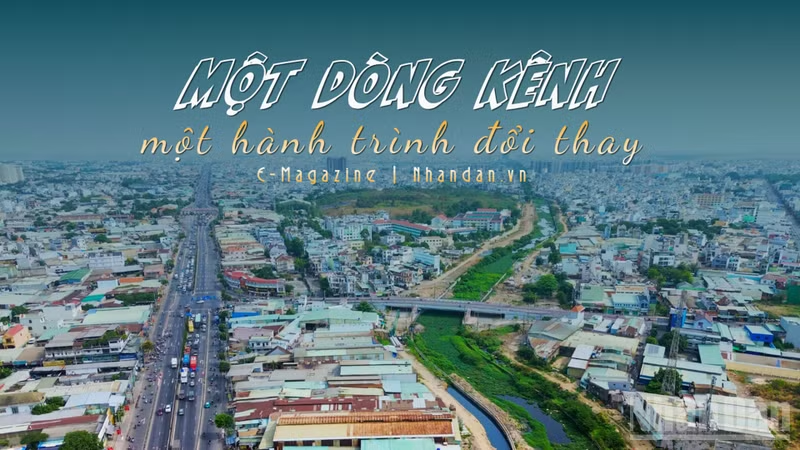
The Tham Luong-Ben Cat-Rach Nuoc Len canal, Ho Chi Minh City's longest, is undergoing a significant transformation after over three years of renovation. Once heavily polluted with waste, the urban landscape along its banks is now showing signs of revitalization, though some construction packages face delays.
The Tham Luong-Ben Cat-Rach Nuoc Len canal, Ho Chi Minh City's longest waterway, is undergoing a dramatic transformation thanks to a renovation and clean-up project spanning over three years. Once notorious for its foul odors, waste, and polluted water, the canal is now evolving into a modern urban infrastructure. This transformation promises to improve living conditions for residents along its banks and enhance the aesthetic appeal of surrounding areas. The project is a key component of Ho Chi Minh City's initiative to relocate housing along canals and rivers and to beautify the urban landscape. The city is actively pursuing the relocation of densely populated settlements along the canal to facilitate broader urban development. However, reports indicate that all ten construction packages comprising the project are experiencing delays, suggesting challenges in adhering to the planned schedule. Under Vietnam's one-party system, large-scale infrastructure projects like this are often driven by strong government leadership, with urban development being a significant policy objective amid a focus on economic growth. Simultaneously, addressing environmental issues is crucial for sustainable development. This canal regeneration project can be seen as reflecting Vietnam's commitment to balancing economic progress with environmental improvement.
Original source
Nhan Dan