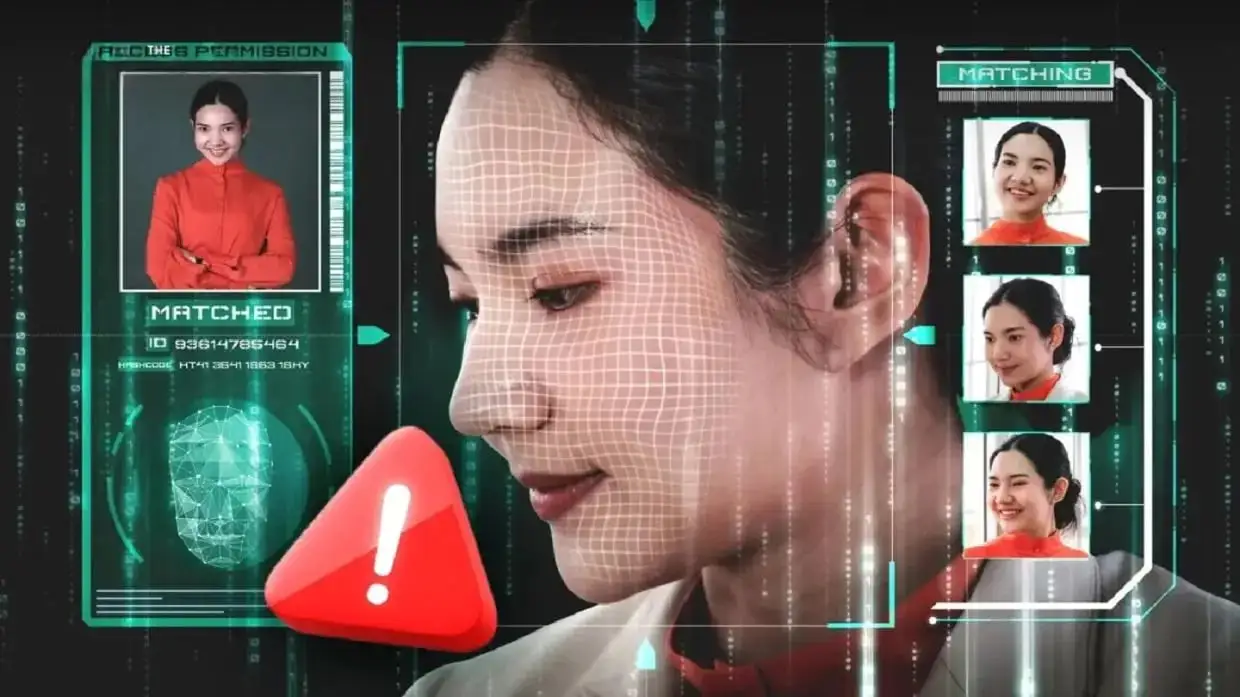
Thailand's Cyber Police Deploy AI Against AI-Powered Deepfake Scams
Security
2026年7月14日
5
Chiang Rai Times

Thailand's Cyber Police Deploy AI Against AI-Powered Deepfake Scams

AI サマリー

Thailand's cyber police are employing AI detection tools to combat sophisticated deepfake scams. These AI-generated fakes, including cloned voices and altered videos, are making traditional scams more personal and urgent. Authorities are urging the public to preserve evidence and report suspicious content promptly.

BANGKOK – AI-powered deepfakes are making scams in Thailand harder to recognize, with fake videos, cloned voices, and altered images used to impersonate people, promote fraud, and spread misinformation. A message or phone call that sounds familiar may now be supported by convincing visual or audio evidence. Thailand’s cyber police are responding with artificial intelligence tools that can help investigate suspicious media and identify signs of manipulation. Still, proving a deepfake can be difficult because creators can alter files, remove digital traces, and improve synthetic content quickly. This article explains how AI detection works, why deepfakes are difficult to verify, what Thai authorities are doing, and how you can protect yourself from deceptive content. First, we look at the techniques investigators use to spot manipulated media. AI-powered deepfakes use artificial intelligence to create or alter video, audio, or images so they appear authentic. A manipulated video may show a public figure saying something they never said. Synthetic audio can copy a person’s voice, while AI-generated images can place a real person in a fabricated scene. The risk in Thailand comes from how these fakes support familiar crimes. A convincing recording can make an old scam feel personal, urgent, and difficult to question. That is why cyber police are treating deepfakes as a tool criminals can add to fraud, impersonation, extortion, and misinformation. A cloned voice can appear to come from a family member who needs money after an accident, or from a business leader asking an employee to make an urgent transfer. The criminal may use only a short recording taken from social media to imitate the speaker’s voice. If the message includes the person’s name, usual phrases, or a local accent, a victim may act before calling back. Fabricated official statements can cause public confusion. A fake video of a government official, police representative, or health agency leader could announce a false emergency, new restriction, bank closure, or security threat. People may rush to withdraw cash, share unverified warnings, or follow instructions that expose their personal information. Thai users may trust a fake more when it uses familiar faces, Thai language, local accents, and recognizable institutions. A message that sounds natural and refers to a local place can feel more credible than a poorly written foreign-language scam. Romance scammers can also use AI-generated photos, altered video calls, or synthetic voice messages to build trust over weeks before requesting money. Political misinformation presents another danger, especially when a fabricated statement appears during an election, protest, disaster, or government crisis. Yet deepfakes don’t always create a new type of offense. In many cases, they strengthen existing crimes by making impersonation, fraud, harassment, and false information more convincing. A deepfake can reach thousands of people within minutes through social media, messaging apps, and online news accounts. Anonymous profiles can repost the same clip under different names, making it appear that several independent sources have confirmed the claim. By the time users question the original account, copies may already circulate in private chats and community groups. Criminals may also store files on overseas servers or operate through accounts registered outside Thailand. That can slow requests for account records, payment data, or server information. Meanwhile, a suspect can delete the original post, change usernames, or remove the message thread. Screenshots may remain, but deleted evidence can make an investigation harder. Victims often respond before checking the source because the message creates pressure. A voice that sounds like a relative asks for immediate help. A fake official warning claims people have only minutes to act. A fabricated investment video may show apparent proof of profits, encouraging viewers to deposit money before they discuss it with anyone else. Early reporting gives investigators a better chance to preserve useful evidence. Save the original file or message when possible, record the account name, copy the post link, and keep transaction details. Do not edit or re-save media if the original download is available. Prompt reports can help police and platforms trace reposts before the trail disappears. Thai cyber police and digital forensic teams can use AI to examine suspicious videos, recordings, and images much faster than a person working alone. These systems scan large amounts of data for signs of manipulation, then help investigators decide which files need closer testing. However, detection is only the first step. A computer-generated risk score does not automatically prove that a crime occurred or identify who created the file. AI detection tools examine facial movement, lip synchronization, image quality, and patterns that may not be obvious during normal viewing. A video may show unnatural blinking, changing facial edges, or skin textures that repeat across frames. Strange lighting can also reveal a problem, especially when the face appears brighter than the surrounding scene or shadows move in different directions. Frame-by-frame review gives investigators a closer look at these changes. Facial and lip movement analysis can compare the speaker’s mouth with the spoken words, while image systems check whether facial features shift shape between frames. Metadata can provide additional clues, such as the software used to export a file, its creation time, or changes to the original format. Metadata alone proves little, since criminals can remove or alter it. Audio analysis follows a similar process. AI can check voice patterns, pitch, breathing, timing, and pronunciation against verified recordings. A synthetic voice may sound flat emotionally, pause at unnatural points, change background noise between sentences, or pronounce Thai names and words incorrectly. Sudden changes in room tone can also suggest that someone joined separate recordings. Investigators may then trace where the file first appeared, conduct reverse image searches, and compare it with authentic recordings from the same event or speaker. These checks can reveal that a clip used an old video, changed the original audio, or appeared first on an account linked to a known scam. Still, modern generative tools can reduce or hide many visible clues. A polished fake may show natural blinking, accurate lip movement, and consistent lighting. No single sign proves that a recording is fake. Detection software usually produces a probability or risk assessment, not automatic legal proof. Trained officers, forensic experts, translators, and investigators must interpret AI results in context. A system may flag compression damage as manipulation, especially when a video has passed through messaging apps. A Thai-language recording may also require a translator who unders

多角的分析

経済的影響

ディープフェイク技術の悪用は、タイ経済における詐欺被害の増加に直結します。特に、個人や企業が標的となる場合、金銭的損失だけでなく、信頼の失墜にもつながりかねません。AIによる検出技術の進化は、犯罪者との「いたちごっこ」であり、そのコストは社会全体に波及します。また、偽情報による市場の混乱も懸念されます。

投資家心理

投資家にとって、ディープフェイクは新たなリスク要因となります。著名人を装った偽の投資勧誘動画や、企業の幹部になりすました偽の指示は、誤った投資判断を招く可能性があります。これにより、不当な資金流出や、企業の評判低下につながるリスクがあり、投資環境の不確実性を高めます。デューデリジェンスの重要性が一層増しています。

社会的影響

ディープフェイクは、タイ社会における信頼関係を根底から揺るがします。家族や友人になりすました詐欺は、人々の心理的な脆弱性を突きます。また、公人を装った偽情報は、社会的な混乱や不信感を生み出し、民主的なプロセスや公共の秩序を脅かす可能性があります。特に、タイのようなSNS利用率の高い社会では、情報の拡散速度が速く、影響は甚大です。人々は、誰を信じ、何を信じるべきかという根本的な問いに直面しています。

市民の声

タイ国民は、日常的にディープフェイクの脅威に晒されています。家族からの緊急の電話と偽って送金させられたり、公的機関からの偽の警告でパニックに陥ったりする可能性があります。特に、情報リテラシーが低い層や高齢者は、より脆弱な立場に置かれます。サイバー警察のAI導入は朗報ですが、一般市民自身も、不審な情報に対する警戒心を持ち、証拠の確認や早期報告を習慣づけることが求められています。これは、個人レベルでの情報リテラシー向上という公共の課題でもあります。

背景・歴史的文脈

ディープフェイク技術は、2010年代半ばから急速に発展し、当初はエンターテイメントや芸術分野で利用されていました。しかし、その普及とともに、政治的なプロパガンダ、個人へのなりすまし、詐欺といった悪用が顕著になりました。タイでは、SNSの普及率の高さと、伝統的な人間関係や権威への信頼が、ディープフェイク詐欺の温床となりやすい状況があります。特に、家族や知人を装った詐欺は、タイ社会で古くから存在する犯罪形態であり、ディープフェイク技術はこれをより効果的かつ大規模なものに変えています。サイバー警察がAI検出ツールを導入したのは、こうした犯罪の進化に対応するための、比較的新しい動きと言えます。

原文ソース

Chiang Rai Times

原文を読む