General articles are free for 24 hours after publish.
SBMA Outlines Subic Port Expansion, Modernization to Boost Luzon Economic Corridor
The Subic Bay Metropolitan Authority (SBMA) is pushing for the expansion and modernization of Subic Port's facilities to strengthen the Luzon Economic Corridor (LEC), aiming to position the area as a key regional logistics and trade hub.
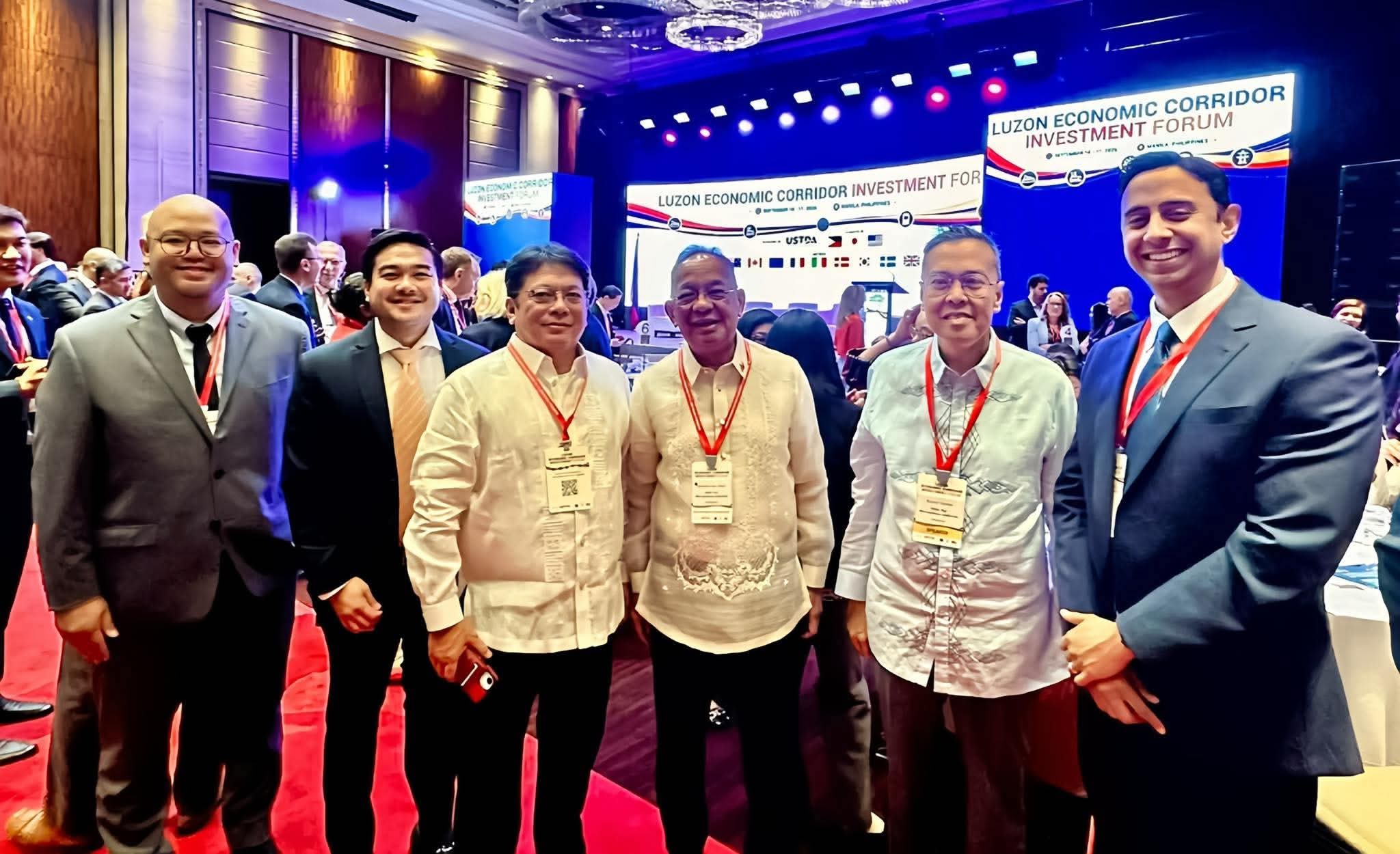
The Subic Bay Metropolitan Authority (SBMA) is advocating for the expansion and modernization of port facilities in this freeport as part of efforts to strengthen the Luzon Economic Corridor (LEC) and position the area as a major logistics and trade hub in the region. SBMA Senior Deputy Administrator for Operations Ronnie Yambao presented the agency’s ongoing and planned port infrastructure projects during the LEC Investment Forum at the Grand Hyatt Manila on Thursday, Sept. 10. Yambao said the projects were intended to improve port efficiency and capacity while supporting the movement of goods and attracting more investments to Subic. “Our port infrastructure projects are designed to enhance operational efficiency, drive economic growth, and position Subic Bay as a premier logistics and trade hub in Southeast Asia,” Yambao said. SBMA Chairman and Administrator Eduardo Jose Aliño said the agency would continue upgrading its port facilities, expanding capacity and adopting new technologies to improve cargo-handling operations. “We are committed to continuous modernization and innovation, supporting the Philippines’ broader goals of trade expansion and investment attraction,” Aliño said. The push to develop Subic’s port infrastructure comes as the area assumes a larger role in the Luzon Economic Corridor, a government-backed initiative aimed at improving connectivity and linking industrial, manufacturing and logistics hubs across Luzon. The corridor is also seen as a platform for attracting investments in strategic industries and strengthening supply chains, with the Philippines working with partner countries to develop infrastructure and economic opportunities along the corridor. LEC, however, has also drawn concerns from local stakeholders and environmental advocates, who have raised questions about the potential impact of increased port and industrial activities on coastal communities and the environment. President Ferdinand Marcos Jr., who graced the forum, underscored the importance of the LEC in developing high-technology industries, logistics, manufacturing, connectivity, and supply chains. Subic’s strategic location and existing port facilities have long made the former US naval base a key logistics gateway in Central Luzon. The port also serves businesses operating within the Subic Bay Freeport, which hosts manufacturing, logistics and other export-oriented industries. In recent years, the SBMA has sought to further develop Subic as a maritime and logistics center as competition among ports and logistics hubs in the region intensifies. The agency said the latest infrastructure initiatives were aimed at making Subic more competitive while supporting broader efforts to expand trade and investment in the Philippines. The LEC was initially launched by the Philippines, the United States and Japan and has since expanded to include Australia, Canada, Denmark, France, Italy, South Korea, Sweden, Spain, and the United Kingdom. Also present at the forum were SBMA Director Yuri Allado, Deputy Administrator for Operations Atty. Martin Kristoffer Roman, Seaport Department Assistant General Manager Mike Lazaro, and LEC Operating Advisor Nishant D’Souza. /mcm
Original source
Inquirer NewsInfo