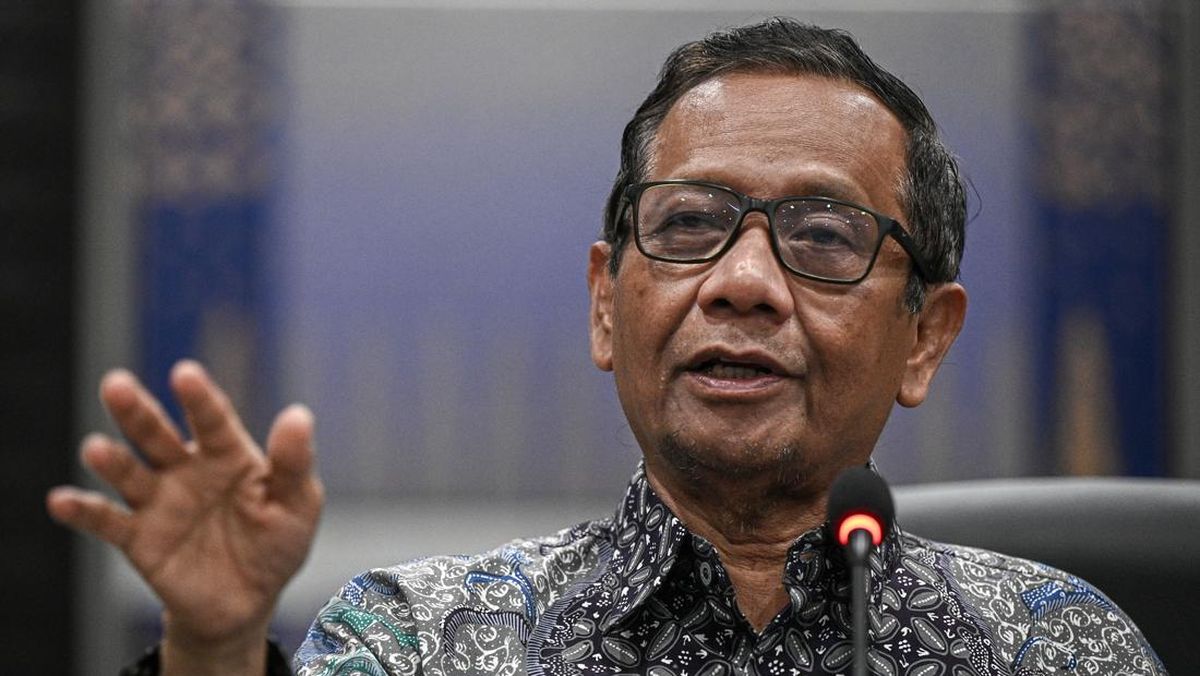
Mahfud Warns Threats to Democracy Could Derail Indonesia Emas 2045
Former Constitutional Court Chief Justice Mahfud MD warned that inadequate legal safeguards for democracy could lead to national chaos and jeopardize the 'Indonesia Emas 2045' national vision. He stressed the necessity of good governance, citing transparency, accountability, legal responsibility, and independence from political interference as crucial.
Read up to 3 eligible full articles per Japan day (JST) for free
Create a free account to open up to 3 eligible full articles per Japan calendar day (JST). Headlines and summaries remain available across ASEAN 7.
Related articles
- President Prabowo Urges Youth to Study History, Learn from Division
President Prabowo has urged Indonesian youth to study history, emphasizing the lessons learned from colonial "divide and rule" tactics. He warned that forgetting history leads to repeating past mistakes, and stressed the importance of national unity against external manipulation.
- Indonesia's Asset Confiscation Bill to Include Fraud Victim Recovery
Indonesia's Special Committee for the Asset Confiscation Bill (Panja) has decided to make victim loss recovery from various financial crimes, including fraudulent investments, illegal insurance, and fake pilgrimage tour operators, a primary focus of the legislation. The move aims to confiscate assets of criminals and enhance compensation for victims.
- SBY Releases New Novel Dedicated to Late Wife, Reflects on Moving On
Former Indonesian President Susilo Bambang Yudhoyono (SBY) has launched his new novel, "Diana Memang Manja," a tribute to his late wife, Ani Yudhoyono, and a reflection of his inner journey. SBY stated that he has moved on from his grief and found self-healing through artistic pursuits.
- Indonesia Cuts Gas Supply to Singapore, Asserting Energy Sovereignty
Indonesia has reduced its natural gas supply to Singapore by 31 BBTUD starting October 24, 2026, to prioritize domestic energy needs. This decision is seen as a strong stance on national energy sovereignty.