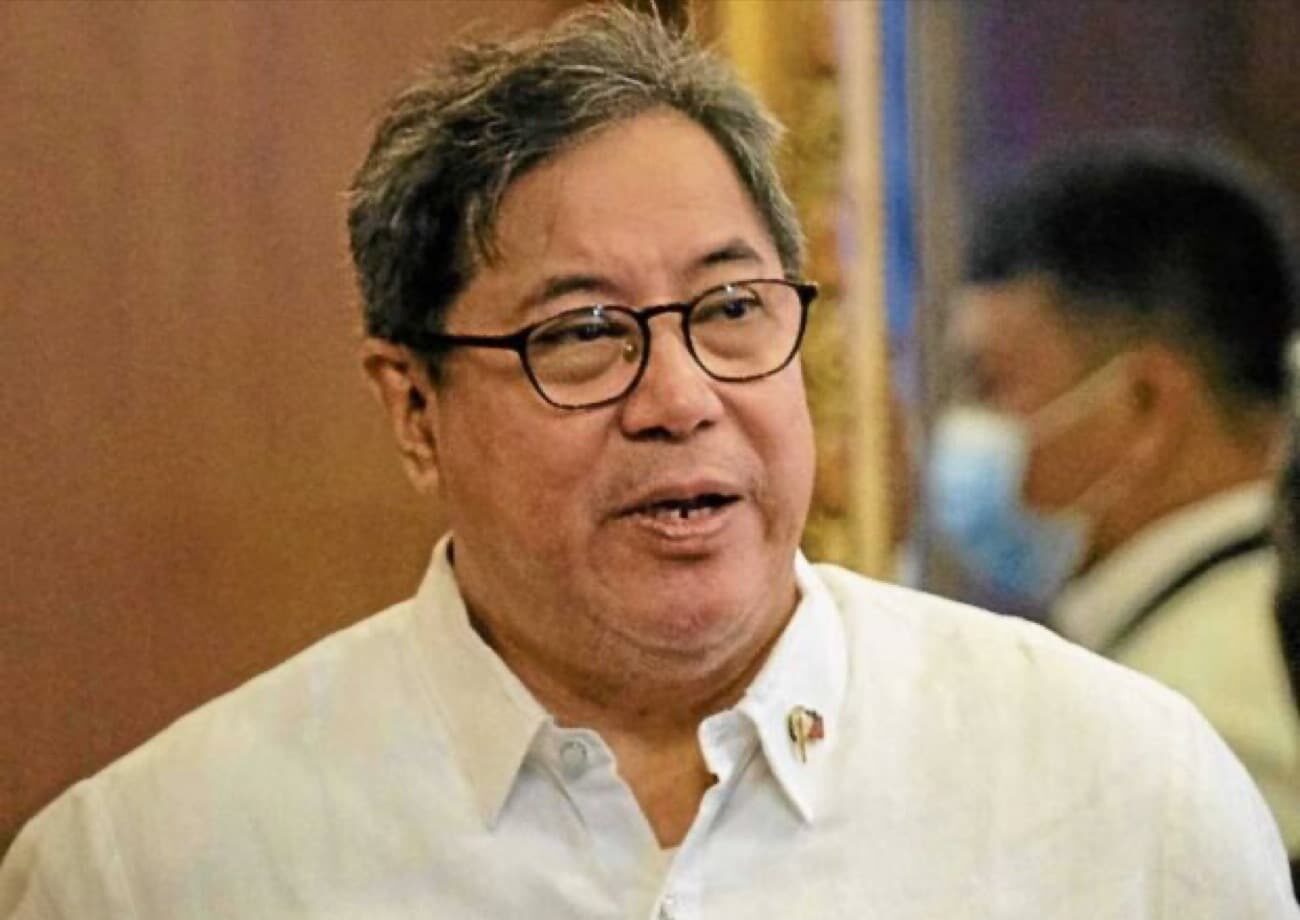
Herbosa Resigns as Health Secretary Citing Recovery Needs; Pujalte Appointed New DOH Chief
Former Health Secretary Teodoro Herbosa announced his resignation to focus on recovery from bilateral knee replacement surgery. Orthopedic surgeon Dr. Jose Pujalte Jr. has been appointed as his successor. Herbosa reflected on his tenure and pledged continued support for the administration's goals.
MANILA, Philippines — Former Health Secretary Teodoro Herbosa said Monday that he decided to step down from the Department of Health (DOH) because months of rehabilitation following his bilateral knee replacement surgery would prevent him from giving the agency his full attention, as he also looked back on what he described as key gains during his tenure. In a statement issued following the announcement of President Ferdinand Marcos Jr.’s appointment of veteran orthopedic surgeon Dr. Jose “Brix” Pujalte Jr. as the country’s new health secretary, Herbosa said he did not want his recovery to affect the DOH’s day-to-day operations. “I am grateful for the opportunity that was given to me to serve as the 30th Secretary of the Department of Health,” Herbosa said, thanking President Ferdinand Marcos Jr. for the opportunity to serve as the country’s health chief. He said he underwent a successful bilateral knee replacement surgery on July 7, 2026, but still needs to complete physical therapy for his full recovery. “On July 7, 2026, I successfully underwent bilateral knee replacement surgery. Following the operation on both knees, I need to complete my physical therapy to fully recover,” Herbosa wrote in Filipino. “I cannot allow my rehabilitation and therapy to affect the day-to-day work of the Department of Health. Because of this, I decided to submit my resignation letter to President Ferdinand Marcos Jr. I sincerely thank him for the trust and confidence he placed in my service at DOH,” he added. READ: DOH chief Herbosa on leave for knee replacement Malacañang earlier confirmed that Marcos had accepted Herbosa’s resignation and appointed Pujalte as the new DOH chief. Palace Press Officer Claire Castro said Herbosa stepped down for health reasons, while Pujalte is expected to continue the administration’s efforts to strengthen the country’s healthcare system and improve the delivery of health services. In his farewell message, Herbosa also reflected on his three years as health secretary, saying the President’s directive had been clear from the beginning. “The President’s mandate was clear—to make public service felt by the people. From that directive came many positive changes at DOH.” He cited several programs that he said were among the department’s accomplishments under his leadership. “IAmong these are the Zero Balance Billing program, BUCAS centers, PuroKalusugan, PhilHealth YAKAP, GAMOT, and eMAIFIP. But there is still much work to be done to fully realize the vision of a Bagong Pilipinas,” said Herbosa. While pointing to those initiatives, Herbosa acknowledged that the work of improving the country’s healthcare system remains unfinished. He also assured Marcos that he would continue supporting the administration’s goals even after leaving the Cabinet. “The President can count on my continued support for his aspirations for the Filipino people,” he said. Herbosa ended his statement by congratulating Pujalte on his appointment. “Congratulations to the new Secretary of the Department of Health, Secretary Jose ‘Brix’ Pujalte Jr. I pray for the continued peace and stability of our beloved Philippines. Thank you very much, DOH team!” Before his resignation became official, Herbosa had been on sick leave after undergoing knee replacement surgery. DOH spokesperson and Undersecretary Albert Domingo earlier said Herbosa started his leave on July 6 for the procedure, which was successful, and had since been undergoing physical therapy and rehabilitation. Domingo served as officer in charge while the health secretary was recovering. In an earlier message to DOH officials, Herbosa said he expected to undergo three to four months of extensive rehabilitation and believed it would be unfair to the department if he could not devote his full time and effort to its work. Herbosa’s tenure as secretary of health was also marked by a series of complaints and controversies, most of which were filed before the Office of the Ombudsman by groups identifying themselves as concerned DOH personnel. Among these were complaints over an alleged state-funded business-class trip to Switzerland, alleged conflict of interest involving a pharmaceutical contractor, procurement-related decisions within the department, and the procurement and allocation of P44.6 million worth of mental health medicines. READ: Herbosa, 3 other DOH execs face graft raps for alleged ‘bid rigging’ He and other senior DOH officials also faced complaints over alleged conflict of interest tied to their roles as radio program hosts, which they maintained complied with government rules and served as platforms for public health education. In recent months, additional complaints accused Herbosa and other health officials of alleged irregularities in the procurement of P1.8 billion worth of mobile primary care facilities, the alleged mishandling of P1.5 billion worth of expired medicines and vaccines, and an alleged P1.29-billion unliquidated cash transfer to the United Nations Children’s Fund (UNICEF) for vaccines and essential medicines. The complaints sought criminal and administrative sanctions, as well as preventive suspension of the officials involved. Herbosa has denied wrongdoing in several of the allegations. He described the complaints over the expired medicines and vaccines as part of a “demolition job” by what he called “mafias” within the DOH, and said he had monitored 13 cases filed against him since June last year. He also defended the department’s media engagements, saying they complied with government rules and were intended to provide reliable health information to the public. A nationwide association representing more than 53,000 DOH workers also publicly backed Herbosa amid the controversies, saying he had led the department with “dedication, integrity, and a clear strategic vision” while citing reforms such as PuroKalusugan, Bagong Urgent Care and Ambulatory Services (BUCAS), and the Zero Balance Billing policy. Pujalte, an orthopedic surgeon with more than three decades of experience in medicine and public service, earned his medical degree from the University of the Philippines College of Medicine and later obtained a master’s degree in Hospital Administration from the Ateneo Graduate School of Business. He completed his orthopedic residency at the Philippine Orthopedic Center in 1994 and has served as a faculty member at the University of the Philippines Manila, Far Eastern University Nicanor Reyes Medical Foundation, and San Beda College of Medicine. He was also recognized as a Career Executive Service Eligible in 2008. According to Malacañang, Pujalte is expected to lead the agency in pursuing President Marcos’ healthcare agenda, including improving access to quality health services nationwide. /mr
多角的分析
エルボサ前長官の辞任は、DOHの業務運営に一時的な影響を与える可能性があるものの、後任のプホルテ氏が迅速に引き継ぐことで、医療サービス提供への直接的な経済的影響は限定的と考えられる。しかし、過去に提起された調達や契約に関する疑惑は、医療分野における公的資金の使途に対する投資家の信頼に長期的な影響を与える可能性があり、透明性の確保と厳格な監視が求められる。
エルボサ氏の辞任は、個人の健康問題に起因するものであり、直接的な投資環境への影響は小さいと見られる。しかし、過去に報じられたDOH内の調達に関する疑惑は、医療セクターへの投資判断において、リスク要因として考慮される可能性がある。新長官の下で、より透明性の高い調達プロセスと効率的な資源配分が実現されるかどうかが、今後の投資家心理を左右するだろう。
エルボサ前長官の辞任は、健康問題が公職者の職務遂行能力に与える影響を浮き彫りにした。また、在任中に浮上した複数の疑惑は、公務員の倫理規定や透明性への国民の関心を高めている。特に、精神科薬の調達や期限切れ医薬品の取り扱いに関する問題は、国民の健康と安全に直接関わるため、再発防止策と責任の所在の明確化が求められている。プホルテ新長官には、国民の信頼回復に向けた取り組みが期待される。
エルボサ前長官の辞任は、多くのフィリピン国民にとって、医療システムへのアクセスや質に対する懸念を再燃させる可能性がある。特に、過去の調達に関する疑惑は、公的資金が国民のために適切に使われているのかという疑問を抱かせ、医療サービスへの不信感につながりかねない。プホルテ新長官には、国民が安心して医療を受けられる体制の構築と、過去の疑惑に対する説明責任の追及が強く求められている。地方では、医療インフラの不足や医薬品へのアクセスが依然として大きな課題であり、新体制による具体的な改善策が期待されている。
背景・歴史的文脈
フィリピンにおける保健大臣の交代は、過去にもしばしば発生しており、政権の安定性や政策遂行能力に影響を与えることがある。特に、公的資金の調達や医療サービス提供に関する疑惑は、国民の健康と安全に直結するため、常に高い関心が寄せられる。エルボサ氏の在任中には、複数の告発や論争が相次ぎ、保健省内のガバナンスと透明性に対する疑問が提起されてきた。これらの問題は、フィリピンの医療システムが抱える構造的な課題、例えば資源配分の不均衡や腐敗のリスクを示唆している。新長官の任命は、これらの課題に対処し、国民の信頼を回復する機会となるが、過去の遺産を乗り越えるための困難も伴う。
原文ソース
Inquirer NewsInfo