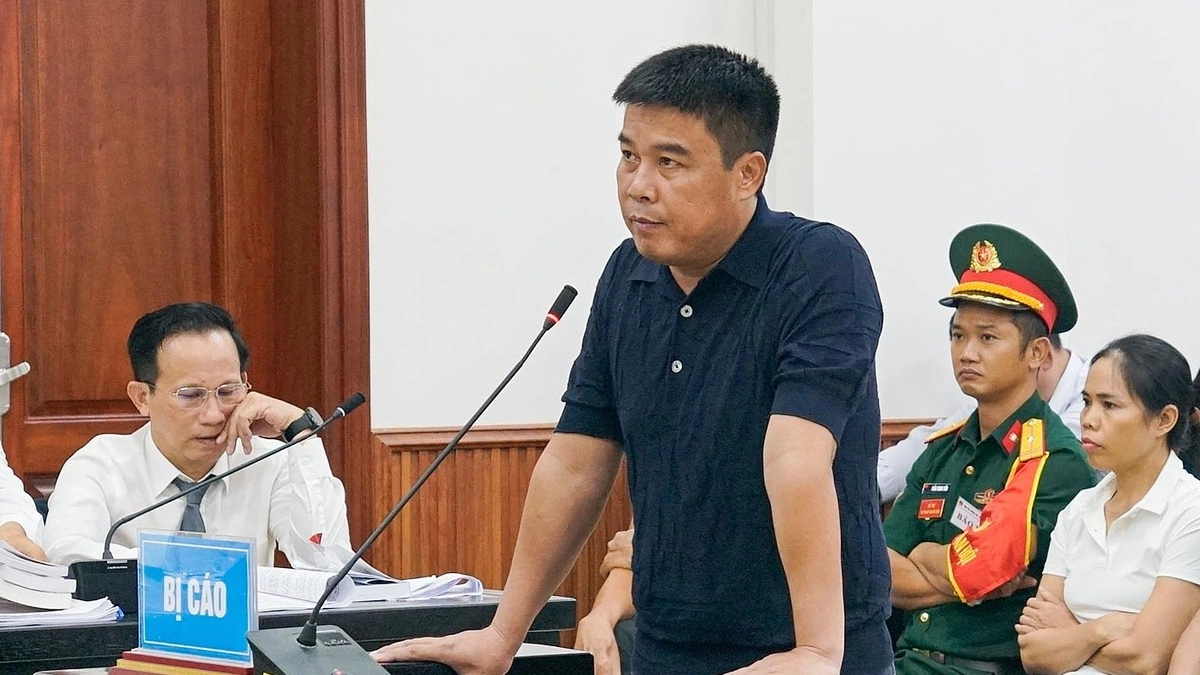
Phuc Son 'Fraud' Case: Victims Demand Harsher Sentence for Defendant Over Unclear 7 Trillion VND Compensation Source
Security
2026年6月30日
6
VnExpress
Relations
🇻🇳Vietnam🇯🇵Japan

Phuc Son 'Fraud' Case: Victims Demand Harsher Sentence for Defendant Over Unclear 7 Trillion VND Compensation Source

AI サマリー

In a major land fraud case in central Vietnam, victims have requested a harsher sentence for Nguyen Van Hau, chairman of Phuc Son Group, also known as 'Hau Phao,' due to his refusal to clarify the source of his promised 7 trillion VND compensation. Hau has pledged to repay the sum but has remained silent about its origins.

In a significant land fraud case in central Vietnam, victims are demanding a harsher sentence for Nguyen Van Hau, chairman of the Phuc Son Group, also known as 'Hau Phao,' due to his refusal to clearly disclose the source of his promised compensation. Hau has pledged to repay 7 trillion VND (approximately $275 million USD) but has remained silent about how he will secure these funds. On June 29, the Central Military Court continued the appellate trial for the case involving the Phuc Son Group. The exchange between Nguyen Van Hau and the victims has become a focal point. The victims allege that the Phuc Son Group illegally acquired land at the former Nha Trang Airport site, a defense ministry-controlled area, and proceeded to subdivide and sell plots despite the project not meeting legal requirements, thereby defrauding them of over 7 trillion VND. During the trial, Hau stated he would only answer questions from the judges and refused to respond to any inquiries from the victims or their lawyers, invoking his right to remain silent. Lawyers representing 157 victims pressed him on his plan to repay the 7 trillion VND within 90 days and the basis for his confidence in meeting this deadline. Hau repeatedly responded, "I will pay when the judgment becomes effective." This stance led lawyers to argue that Hau was evading questions directly related to his ability to rectify the consequences of his actions. They contended that the defendant had not shown genuine remorse and requested the court to increase his sentence for fraud. Hau was initially sentenced to 11 years in prison for fraud in the first instance. Combined with a previous 30-year sentence for corruption and accounting irregularities in other localities, he faces a total of up to 30 years imprisonment. Several victims testified about losing not only their money but also their housing opportunities after years of waiting for the project. One woman recounted working multiple jobs and taking out bank loans, investing a total of 4 billion VND with the hope of a better home for her family, only to be left with debt and uncertainty about her assets. A 71-year-old investor reported selling two houses to purchase land in the Phuc Son project, but now finds himself without land and a place to live. Another victim stated she spent 15 days researching legal documents and government inspection conclusions before signing the contract. She felt reassured when the Khanh Hoa Provincial People's Committee requested Phuc Son Company to pay an additional 12 trillion VND in land use fees, believing the project had a solid legal foundation. She asserted that her transaction was with Phuc Son Company as a legal entity, not with Nguyen Van Hau personally, and therefore requested the court to recognize the contracts and grant investors land ownership instead of just monetary refunds. Representatives from the Khanh Hoa Provincial People's Committee stated that the province supports the continued implementation of the project for economic and social development and to ensure the harmonized interests of investors. However, they clarified that whether customers receive land or money is a civil matter between Phuc Son Company and the investors, falling outside the provincial government's jurisdiction. Nevertheless, the province is developing mechanisms to address the project's obstacles. The trial is ongoing. Source: VnExpress

多角的分析

経済的影響

フォクソン・グループによる7兆ドン(約420億円)規模の土地詐欺事件は、ベトナムの不動産市場における規制の緩さと、開発業者による違法な土地利用・販売のリスクを浮き彫りにしている。特に、地方政府の監督体制の不備や、開発許可プロセスにおける透明性の欠如が、このような大規模な詐欺を可能にした一因と考えられる。被害者への賠償が遅延し、資金源が不明瞭なままでは、市場全体の信頼性にも影響を与えかねない。ベトナム政府は、不動産分野の健全な発展のため、法規制の強化と執行体制の整備を急ぐ必要がある。

投資家心理

本件は、ベトナムの不動産開発プロジェクトへの投資リスクを改めて示す事例である。被告が巨額の賠償金を約束しながらも、その資金源を明らかにしない姿勢は、投資家にとって極めて不確実性の高い状況を生み出している。法的な権利保護が不十分な場合、投資家は元本割れのリスクに直面するだけでなく、訴訟や賠償金の回収に多大な時間と労力を費やすことになる。特に、未整備な法制度下での土地取引においては、デューデリジェンスの徹底が不可欠であり、透明性の高い情報開示を求める声が高まるだろう。

社会的影響

7兆ドンもの巨額詐欺の被害に遭った人々の中には、長年かけて築き上げた貯蓄や、多額の借金をしてまで投資に踏み切った人々がいる。71歳の高齢者が家を売却してまで投資に乗り出したという事実は、ベトナム社会における住宅取得の難しさや、将来への不安が背景にあることを示唆している。被害者たちは金銭的な損失だけでなく、住む場所を失うという深刻な生活上の困難に直面しており、社会的なセーフティネットの必要性も問われている。また、被害者らが土地の引き渡しを求めていることは、単なる金銭返還以上の、居住権や財産権の回復を望む切実な思いの表れである。

市民の声

被害者らが賠償金の出所について被告が明確な説明をしないことに不満を募らせ、増刑を求めている状況は、ベトナム市民の法への信頼と、不正に対する強い怒りを示している。特に、長年かけて貯めたお金や、家まで売って投資した人々にとって、その損失は計り知れない。彼らは単に金銭を返してもらいたいだけでなく、被告が真摯に反省し、責任を果たすことを強く求めている。地方政府がプロジェクトの継続を支持する姿勢を示しているが、被害者らの権利がどのように保護されるのか、引き続き注視が必要である。

背景・歴史的文脈

ベトナムでは、1986年のドイモイ政策以降、市場経済化が進み、不動産開発が急速に拡大した。特に沿岸部や観光地では、土地開発やリゾート開発が盛んに行われている。しかし、急速な経済成長の陰で、土地利用に関する法規制の整備が追いつかず、開発業者による不正行為や、土地を巡る紛争が後を絶たない。本件のフォクソン・グループは、不正な手段で土地を取得し、未整備なまま販売したとされており、これはベトナムにおける不動産開発の負の側面を象徴する事例と言える。地方政府の監督責任や、開発許可プロセスの透明性確保が、長年の課題となっている。

原文ソース

VnExpress

原文を読む