Uzbekistan: Local Power Dynamics Stall Reform Efforts
A woman's attempt to run for mahalla chairperson in Uzbekistan was thwarted, highlighting a gap between reformist laws and local realities. The incident underscores persistent barriers to inclusive governance at the hyper-local level, despite broader efforts to increase citizen participation.
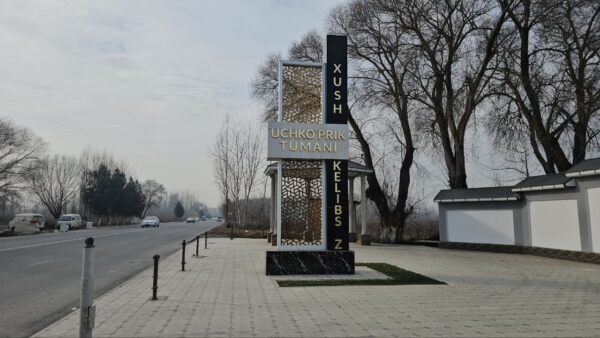
In Uzbekistan, persistent barriers to inclusive self-government at the hyper-local level have been highlighted by a woman's unsuccessful attempt to run for chairperson of a mahalla, a traditional community organization. Despite the country's reform efforts aimed at increasing citizen participation and strengthening local governance, the case reveals a significant gap between the law and lived reality. The mahalla is the administrative institution closest to the local population, responsible for tasks such as distributing social assistance, organizing community initiatives, and liaising with state institutions. While formally outside the state administration, mahalla chairpersons often carry out instructions from local authorities, such as the district hokimiyat. The woman, a resident of Tinchlik mahalla in the Uchkuprik district of Fergana Region for over 20 years, decided to stand for election after the incumbent chairperson announced his resignation. She had a university degree, extensive experience in journalism and community work, and garnered support from nearly 100 residents who signed a petition backing her candidacy. She believed she met all the legal requirements for candidates, which include having an organizational and professional background, enjoying respect among the local population, and having been a resident for at least five years. However, the election process experienced delays. When she inquired about her candidacy, she was met with vague explanations about missing documents and an unknown voting date. A meeting with the district hokim (governor) was arranged, during which he reportedly stated he "could not work with women" and preferred to work with men, effectively blocking her nomination. While this statement could not be independently verified, election officials conveyed that her candidacy was not approved. Ultimately, the official candidate list for the Tinchlik mahalla chairperson election featured only two men, both reportedly favored by the hokim. Her name was not included. This incident underscores that while Uzbekistan has made strides in reform, the implementation at the grassroots level, particularly within the mahalla system, continues to face challenges in ensuring truly inclusive and accountable local governance. Information Source: The Diplomat Indonesia
多角的分析
This case, while primarily political and social, has indirect economic implications. The mahalla's role in distributing social assistance means that any inefficiencies or biases in leadership selection can affect the equitable distribution of aid to vulnerable populations. If informal power structures or personal biases (like gender discrimination) influence leadership, it could lead to misallocation of resources or favoritism, impacting local economic well-being and potentially hindering grassroots economic development initiatives that rely on fair access to support and resources.
For investors, this incident signals potential risks associated with the rule of law and institutional transparency in Uzbekistan, particularly at the local level. While reforms are officially underway, the informal influence of local administrators (hokims) and potential gender-based discrimination in candidate approval can create an unpredictable operating environment. Investors typically seek stability and predictability; such instances suggest that navigating local governance may require understanding informal networks and potential biases, which can deter foreign direct investment or increase the perceived risk premium.
The exclusion of the female candidate from the mahalla election highlights systemic gender bias and the limitations of formal reforms in addressing deeply ingrained social norms. Despite legal provisions for citizen participation, the personal discretion of local officials, like the district hokim, can override democratic processes. The incident directly impacts the residents of Tinchlik mahalla by denying them the opportunity to elect a representative who, based on her qualifications and community support, might have better served their interests. It also discourages other women from civic engagement, reinforcing traditional patriarchal structures within local governance.
For the citizens of Tinchlik mahalla, this event represents a direct denial of their collective voice and choice in selecting their local representative. The nearly 100 residents who signed the petition saw their democratic will disregarded due to the informal decision-making of the district hokim. This can foster cynicism towards the electoral process and the government's commitment to genuine self-governance, leading to disengagement from civic life. It also means that the community may not get a leader who truly understands and advocates for their day-to-day problems, as the woman candidate claimed she would.
背景・歴史的文脈
Uzbekistan has been undergoing significant political and economic reforms since President Shavkat Mirziyoyev came to power in 2016. These reforms include efforts to decentralize power, enhance citizen participation, and strengthen local self-governance bodies like the mahalla. The legal framework for mahalla elections emphasizes candidate qualifications and community endorsement. However, the historical legacy of centralized Soviet-era administration means that informal influence and the authority of local officials, such as district hokims, often remain paramount. This case illustrates a recurring tension between top-down reform initiatives and the deeply rooted, often informal, power dynamics at the local level, particularly in rural or semi-urban areas.
原文ソース
The Diplomat Indonesia