General articles are free for 24 hours after publish.
Thailand Eyes 30% Investment-to-GDP Ratio for High-Income Status
Thailand aims to boost total investment to 30% of GDP by 2038 to escape the middle-income trap and achieve high-income status. The government plans to utilize tax incentives and public-private partnerships, focusing on key investment areas like AI, the green economy, and medical sectors.
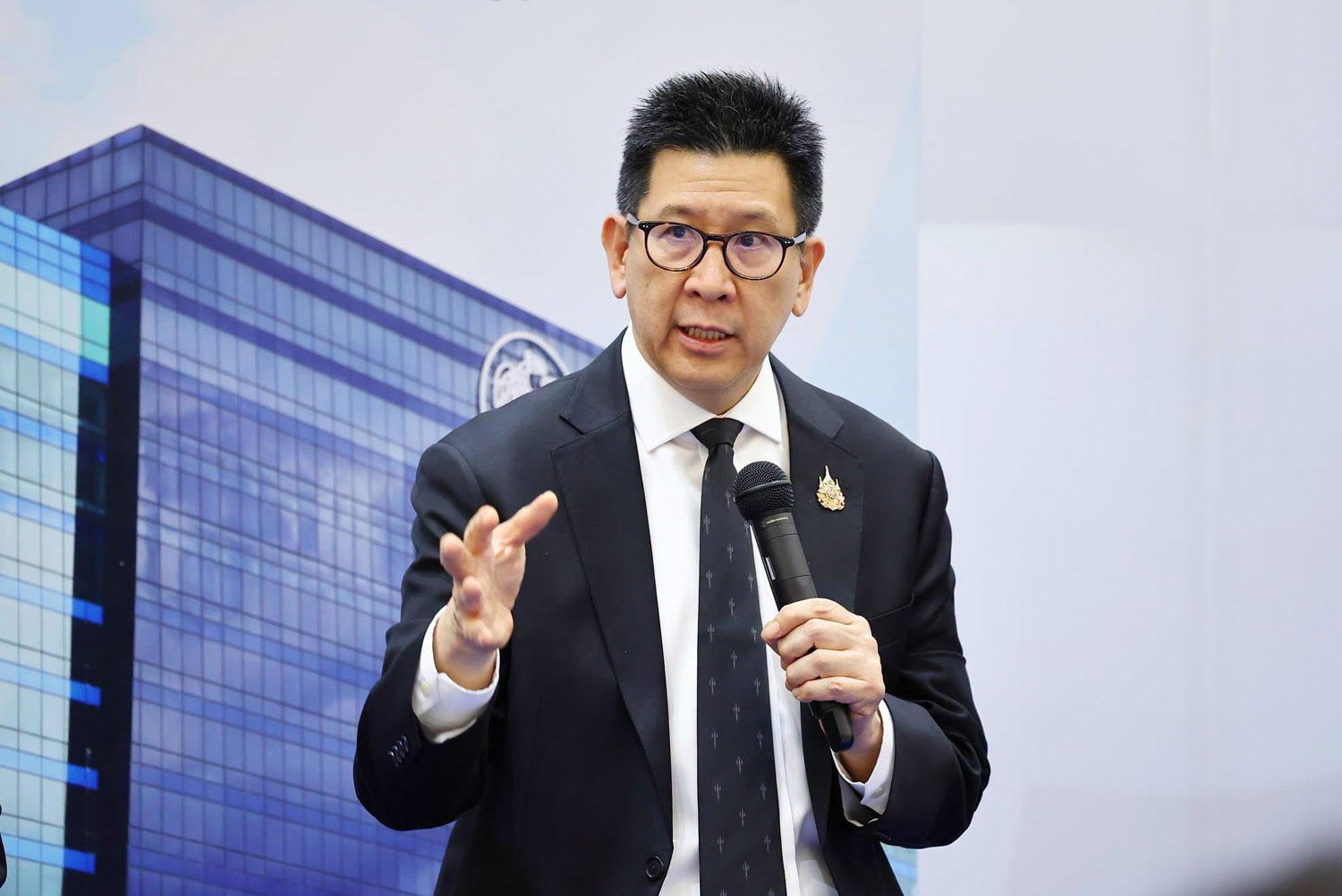
Thailand aims to raise total investment to 30% of GDP to escape the middle-income trap and achieve high-income status within the next 12 years, Finance Minister Ekniti Nitithanprapas said. He was speaking on Friday after chairing a meeting of the subcommittee on new national investment development. The subcommittee, comprising representatives from the Board of Investment (BoI), the Office of the National Economic and Social Development Council (NESDC), the Thai Chamber of Commerce, the Federation of Thai Industries and the Thai Bankers' Association, approved a framework to strengthen Thailand's competitiveness, accelerate investment and position the country as a leading regional investment hub. Mr Ekniti, who also serves as deputy prime minister, said the government aims to lift GDP growth to more than 3% by 2029, improve Thailand's position in the IMD World Competitiveness Ranking from 26th to within the global top 20, and achieve high-income status by around 2038. "To become a high-income country within the timeframe we have set, Thailand must increase combined public and private investment to 30% of GDP from the current 23%," he said. The government will deploy all available policy tools, including tax incentives, targeted budget spending, public-private partnership (PPP) projects and the Thailand Future Fund. Five working groups have been established, with targets to deliver early results within six months, major progress within two years and long-term infrastructure outcomes within four years. The groups cover investment and industrial transformation, AI and digital technology, the green economy, financial services and medical investment. The investment and industrial transformation group will modernise existing industries, develop new industrial bases, streamline business approvals through the Thailand FastPass mechanism, expand electricity, water and industrial infrastructure, strengthen workforce skills through the Skill Bridge programme and support Thai companies' participation in global supply chains. The AI and digital group aims to attract 100 billion baht in investment in artificial intelligence, semiconductors and chip design by 2027 while increasing AI's contribution to 5% of GDP through investment in infrastructure, research, talent development and commercial adoption. The green economy group will promote clean energy, smart grids, electric vehicle infrastructure, carbon markets and green finance. The financial services group will develop Thailand into a regional financial hub while expanding access to capital for innovative businesses. The medical investment group will strengthen Thailand's role in high-value medical manufacturing and innovation, including pharmaceuticals, medical devices and healthcare products. BoI secretary-general Narit Therdsteerasukdi, who serves as secretary to the subcommittee, said its role is to formulate investment policies, remove obstacles, develop infrastructure and coordinate public-private cooperation to drive the strategy. Mr Ekniti said the global economy is being reshaped by geopolitical tensions, rapid advances in artificial intelligence, digitalisation, ageing populations and the transition to a green economy. "Countries around the world are competing to attract investment and reorganise global supply chains," he said.
Original source
Bangkok Post