General articles are free for 24 hours after publish.
Simplifying Pet Exports from Thailand: Navigating Complex Regulations
Exporting pets from Thailand involves navigating complex regulations, including destination country rules, veterinary examinations, and airline approvals. The Department of Livestock Development (DLD) and Animal Quarantine Stations (AQS) are enhancing support to streamline these intricate processes.
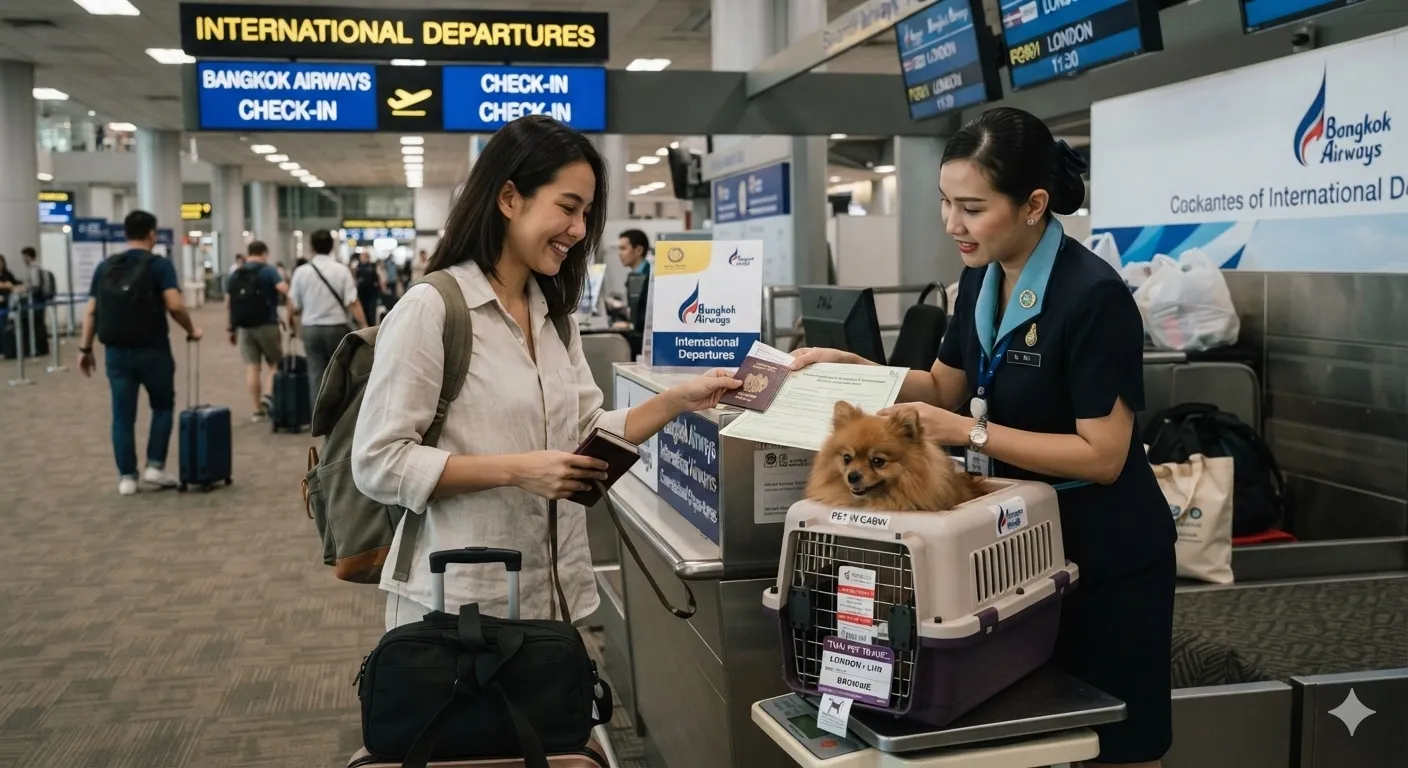
Taking your dog or cat out of Thailand requires more than just booking a flight; it involves a complex web of Thai export paperwork, veterinary examinations, and airline approvals, all while adhering to the import rules of your destination country. The Department of Livestock Development (DLD) and Animal Quarantine Stations (AQS) in Thailand are working to clarify and streamline these intricate processes for pet owners. The export journey typically begins with confirming the destination country's import regulations. Each nation has its own specific requirements for accepting pets, which can include import permits, vaccination schedules, microchip implantation, and rabies antibody testing. It is crucial for pet owners to verify the latest details with the animal health authorities of their destination country. Domestically, Thailand mandates Thai export documentation issued by the DLD, a thorough veterinary examination, and a final inspection at the Animal Quarantine Station (AQS) at the departure airport. Key documents often include vaccination records, particularly for rabies, and proof of microchip implantation. Consistency across all documentation, including pet names, microchip numbers, and vaccination details, is paramount. Any corrections to records must be properly initialed or signed by a veterinarian. Transit countries can also impose their own rules, potentially requiring transit certificates or health documents even if the pet remains within the airport. Airline acceptance is a separate step, and a confirmed booking does not guarantee boarding or legal entry into the destination country. At the AQS, officials will review a comprehensive file, which typically includes a copy of the owner's passport, flight itinerary, microchip certificate, vaccination book, rabies record, destination country documents, and any laboratory reports. A veterinarian will also conduct a physical examination to ensure the animal is fit for travel. The official export application process in Thailand involves submitting the R1/1 export application and the Animal Health Certificate application, often through the DLD's e-Movement system. These forms, along with the pet and original records, must be brought to the AQS serving the departure airport. For international flights from Bangkok, the Suvarnabhumi AQS (phone: 02-134-0731, email: [email protected]) and Don Mueang AQS (phone: 02-535-4521, 02-504-3353, email: [email protected]) are the primary points of contact, though it is advisable to check for any changes in office locations, hours, or contact information. While these procedures are essential for the safe and legal international travel of pets, their complexity has often been a source of stress for owners. The enhanced support and clarification from the DLD and AQS aim to reduce these barriers, facilitating smoother international relocations for pets and their families departing from Thailand.
Original source
Chiang Rai Times