Cambodia High School Exam: Essential Tips and Pitfalls for Essay Writing
Health
2026年7月15日
5
Kampuchea Thmey Local

Cambodia High School Exam: Essential Tips and Pitfalls for Essay Writing

AI サマリー

As Cambodia's high school graduation exams approach, Professor Yu Sophal of the Royal University of Phnom Penh is offering crucial advice to students on essay writing, highlighting common mistakes and effective strategies. He emphasizes the importance of the introduction, body, conclusion, and time management.

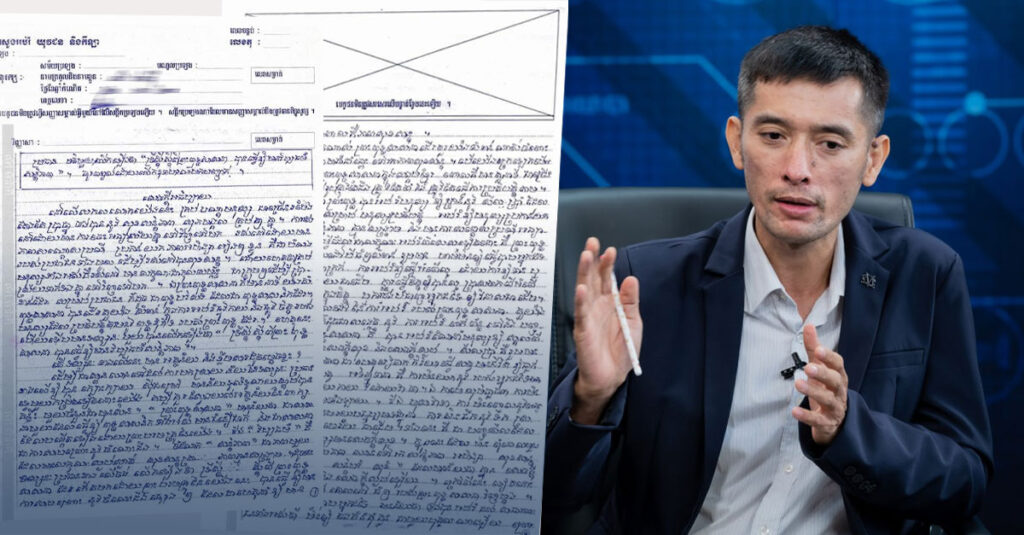
As Cambodia's high school graduation exams (Bak Doup) draw nearer, Professor Yu Sophal, a lecturer at the Royal University of Phnom Penh and a member of the Khmer language exam grading team, has shared key insights for essay writing, advising students on effective methods and common pitfalls. He emphasizes the importance of the introduction, body, and conclusion, as well as efficient time management during the exam. Common Mistakes and How to Avoid Them Based on his experience as a grader, Professor Yu Sophal observes that the most frequent errors students make in essays include a lack of coherence in the introduction, spelling mistakes, and insufficient supporting examples for their arguments. To avoid these issues, he recommends the following: * Introduction: Ensure that the three parts – the context, the problem statement, and the question – are interconnected, logically sequenced, and coherent. Avoid writing elements that are unrelated. * Body: Errors often occur in the presentation of examples. Some students tend to explain only one case in detail. The professor suggests that it is best to present approximately 4 to 5 examples to support the ideas within the topic, even if one case is explained thoroughly. However, students should not summarize the entire story. * Character Name Errors and Story Confusion: This is another common mistake that leads to point deductions. For instance, students might incorrectly write the name of a character from the story 'Koulap Pailin' or confuse characters in 'A New Sun Rises Over the Old Land'. Professor Sophal advises students to read literary works carefully, understand character names, plot issues, and the entire narrative from beginning to end. The professor further added that writing longer essays, perhaps around 7 pages, is beneficial, provided it stays within the topic, adheres to the correct format, and includes sufficient relevant examples. Conversely, missing key elements or having an incomplete conclusion will result in point deductions. Effective Time Management Strategies Professor Yu Sophal advises that clear time allocation is crucial to avoid running out of time and losing points. He offers the following strategy: * The last 20 minutes: There is no need to recall additional examples. If three examples have already been presented and a fourth comes to mind, it should be written briefly. This leaves at least 15 minutes to finish the essay. * The last 15 minutes: Stop adding new examples and shift focus to writing the summary, taking about 5 minutes, and then dedicating 10 minutes to writing the conclusion. Many students focus on writing lengthy body paragraphs but end up with insufficient time to complete or fully write the conclusion, leading to significant point loss. Therefore, abandoning the addition of a final example to allocate time for a complete summary and conclusion is a smart strategy that can help students achieve a higher overall score, the professor emphasized.

多角的分析

経済的影響

この記事は直接的な経済活動を扱っていませんが、カンボジアの教育システム、特に高校卒業試験は、将来の労働力の質に影響を与える重要な要素です。質の高い教育は、より熟練した労働力を生み出し、経済成長と国際競争力の向上に寄与すると考えられます。試験対策の指導は、学生の学力向上だけでなく、将来的な人的資本への投資と見ることができます。経済発展の持続性のためには、教育への継続的な投資と質の向上が不可欠であり、これはカンボジアの長期的な経済戦略においても重要な位置を占めるでしょう。

投資家心理

投資家にとって、カンボジアの教育水準の向上は、長期的な視点で見ればポジティブなシグナルです。試験対策の指導が学生の学力向上に繋がり、より質の高い人材が将来の労働市場に供給されることは、国内外からの投資を呼び込むための重要な要素となります。特に、高度なスキルを要する産業やサービス業への投資を検討している投資家にとっては、教育インフラの強化と学力向上は、将来的なビジネスリスクの低減に繋がる可能性があります。ただし、これは直接的な短期投資機会というよりは、カンボジアの国全体の発展ポテンシャルを高める間接的な要因と言えます。

社会的影響

カンボジアの高校卒業試験は、多くの学生とその家族にとって人生の岐路となる重要なイベントです。ユ・ソフィア教授による具体的なアドバイスは、特に経済的に恵まれない家庭の学生にとって、試験への準備を整え、公平な競争の機会を得るための貴重な情報源となります。試験結果は、大学進学の機会や将来の職業選択に直結するため、学生たちはプレッシャーを感じています。教授の指導は、単なる学術的な助言にとどまらず、学生たちの不安を軽減し、自信を持って試験に臨むための精神的なサポートの側面も持っています。また、この指導が広範な学生に届くことで、教育格差の是正にも貢献する可能性があります。

市民の声

カンボジアの市民、特に学生とその保護者にとって、高校卒業試験は将来を左右する重大な関心事です。ユ・ソフィア教授の助言は、試験準備における具体的な指針を提供し、学生たちがより効果的に学習を進め、試験での成功確率を高めることを目指しています。多くの学生がエッセイ執筆で直面する困難、例えば構成の不備や具体例の不足といった点は、日々の学習における課題でもあります。教授の提言は、これらの課題に対する実践的な解決策を示しており、市民が教育への投資として捉えるべき重要な側面を浮き彫りにしています。試験結果は、個人のキャリアパスだけでなく、家族の経済状況にも影響を与えるため、市民はこうした教育に関する情報に敏感になっています。

背景・歴史的文脈

カンボジアにおける高校卒業試験(バクドゥップ)は、国の将来を担う人材育成の重要な節目と位置づけられています。この試験は、学生が大学進学やその後のキャリアに進むための基本的な学力、特にクメール語の読解力と表現力を評価するものです。過去、試験の公平性や質の維持に関して課題が指摘されることもありましたが、政府は教育改革の一環として、試験制度の改善や採点基準の明確化に努めてきました。ユ・ソフィア教授のような大学教授が試験問題の採点に関与し、学生に直接アドバイスを行うことは、試験の透明性を高め、学生の学習意欲を向上させるための取り組みの一環と考えられます。これは、カンボジアが人的資本の育成を通じて経済発展を目指す上での、教育システム強化の試みと言えるでしょう。

原文ソース

Kampuchea Thmey Local

原文を読む