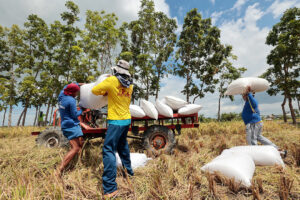
Philippines' Palay and Corn Production Sees Uptick in Second Quarter
The Philippines' palay (unmilled rice) production in the second quarter rose 5.7% year-on-year to 4.63 million metric tons, while corn output increased by 0.8% to 1.51 million metric tons, according to the Philippine Statistics Authority (PSA). This growth is attributed to irrigation system repairs and strong palay prices.
This article requires PRO
This article is outside the free access window or is a special report. PRO unlocks it and the full archive.
Related articles
- Philippine Visa Applications Surge 20% as Filipinos Explore Global Opportunities
Philippine visa applications surged by 20% from January to August 2026 compared to the previous year, according to VFS Global. The company attributes this rise to growing confidence and a strong desire among Filipino travelers to explore opportunities abroad, with non-Schengen countries like Australia, Canada, and Japan being top destinations. They also cautioned against visa fraud.
- Filipino Visa Applications Surge 20% Year-to-Date
Filipino visa applications saw a 20% increase from January to October this year compared to the same period last year. This surge may reflect heightened travel aspirations or shifts in economic conditions.
- Young Dabawenyos Showcase Talents in 2nd Davao City Tourism Olympics
The 2nd Davao City Tourism Olympics was held, showcasing the diverse talents of its youth. The event aimed to promote local tourism and nurture the next generation of talent.
- New and Resurrected Frog Species Found in Philippines After a Century
Filipino and foreign scientists have discovered and resurrected three frog species in Mindanao and the Visayas, previously thought to be the same for the past 100 years. This highlights the Philippines' rich biodiversity and the need for further research.