Cambodia Faces Severe Drought: Nearly 2,000 Hectares of Rice Fields in Kampong Thom at Risk
A severe drought caused by insufficient rainfall is affecting nearly 2,000 hectares of rice fields in Cambodia's Kampong Thom province. The government has deployed mobile water pumps as an emergency measure to address the critical water shortage.
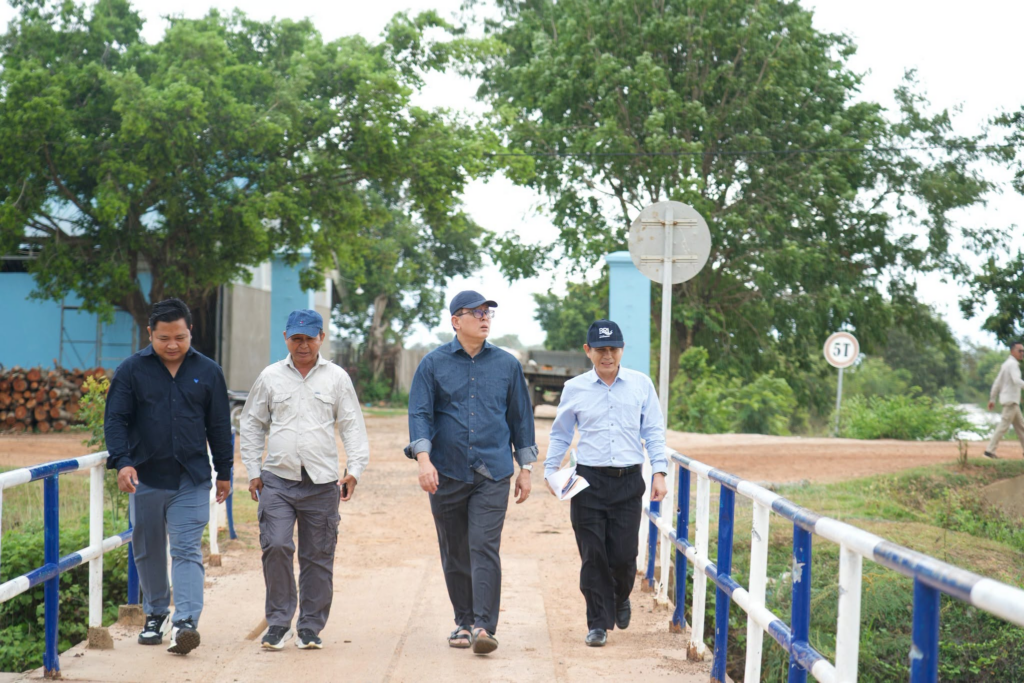
A severe drought caused by insufficient rainfall has put nearly 2,000 hectares of rice fields in Cambodia's Kampong Thom province at risk of water shortage. In response, a high-ranking official from the Ministry of Water Resources and Meteorology has visited the affected areas to oversee emergency relief efforts. Mr. Chan Yutha, Secretary of State and Head of the Water Resources and Meteorology Management and Coordination Team for Kampong Thom province, inspected the situation on July 4th. The affected areas span three districts: Stoung, Kampong Svay, and Prasat Ballangk. Approximately 1,725 hectares of rice paddies in these districts are currently facing a critical water shortage and require immediate intervention. According to a report from the Kampong Thom Provincial Department of Water Resources and Meteorology, as of early July, reduced rainfall has impacted a total of 15,073 hectares of rice fields cultivated by citizens. Of this, 1,725 hectares are experiencing severe water scarcity and need urgent rescue. To address this emergency, the Provincial Department of Water Resources and Meteorology has deployed six mobile water pumps. During his on-site inspection, Secretary of State Chan Yutha, recognizing the high demand for water and the need to save the farmers' crops in a timely manner, instructed the department to urgently install one additional high-power water pump. This drought poses a direct threat to the harvest of Cambodia's staple crop, rice, raising concerns for food security. The government intends to continue monitoring the situation and implement further measures as necessary.
多角的分析
カンボジア経済は農業、特に米作に大きく依存しており、今回の干ばつは農家の収入減少、ひいては国内の食料価格上昇に直結する。政府によるポンプ車の投入は一時的な対策に過ぎず、長期的な水資源管理計画の必要性が浮き彫りになっている。過去のエルニーニョ現象や気候変動の影響による干ばつは、カンボジアの農業生産性を低下させ、経済成長の足かせとなってきた経緯がある。
農業セクターへの投資家は、気候変動リスクへの対応能力が低い農家や小規模事業者の増加に直面する可能性がある。米の生産量減少は、国内消費だけでなく輸出にも影響を与え、関連産業への波及も懸念される。インフラ投資、特に灌漑システムや耐候性作物の研究開発への投資が、リスク軽減策として重要になるだろう。
コンポンチャム州の農村地域では、 livelihoods(生計)が米作に直接結びついているため、干ばつは農家の生活基盤を揺るがす。水不足は、飲料水や衛生状態にも影響を及ぼす可能性があり、特に脆弱な層への影響が大きい。農家は、作物の損失や借金返済の負担増に直面し、生活再建のための支援が不可欠となる。SNSなどを通じた情報共有や、地域コミュニティによる相互扶助の動きも重要になる。
コンポンチャム州の農民は、収穫への不安から深刻な精神的ストレスを抱えている。水不足は、単に農作物への影響だけでなく、日々の生活用水の確保にも影響を及ぼし、衛生状態の悪化や健康問題を引き起こす懸念がある。政府の緊急対応が迅速かつ効果的に行われなければ、農家の経済的困窮は深まり、地方からの都市部への人口流出を加速させる可能性がある。
背景・歴史的文脈
カンボジアは、メコン川流域に位置し、農業、特に米作が経済の基幹産業である。しかし、気候変動の影響を受けやすく、雨季の降雨量不足や乾季の乾燥化は、長年にわたり農業生産に影響を与えてきた。過去にも同様の干ばつが発生しており、2016年のエルニーニョ現象による深刻な水不足は、全国的な食料生産に打撃を与えた。政府は、水資源管理の重要性を認識し、灌漑施設の整備や貯水池の建設を進めているが、依然として自然災害への脆弱性は残る。特に、近年の急速な経済発展に伴う水需要の増加も、水資源管理の課題を一層複雑にしている。
原文ソース
Kampuchea Thmey Local