Cambodia Prepares to Enact Labor Safety and Health Law Aligned with International Standards
Society
2026年7月8日
7
Kampuchea Thmey Local

Cambodia Prepares to Enact Labor Safety and Health Law Aligned with International Standards

AI サマリー

Cambodia is advancing the development of a comprehensive Occupational Safety and Health (OSH) law, aligning with International Labour Organization (ILO) standards. A tripartite consultation was held on August 8th, bringing together government, worker, and employer representatives to finalize the draft law. The legislation aims to ensure worker well-being, enhance economic competitiveness, and foster a sustainable labor market.

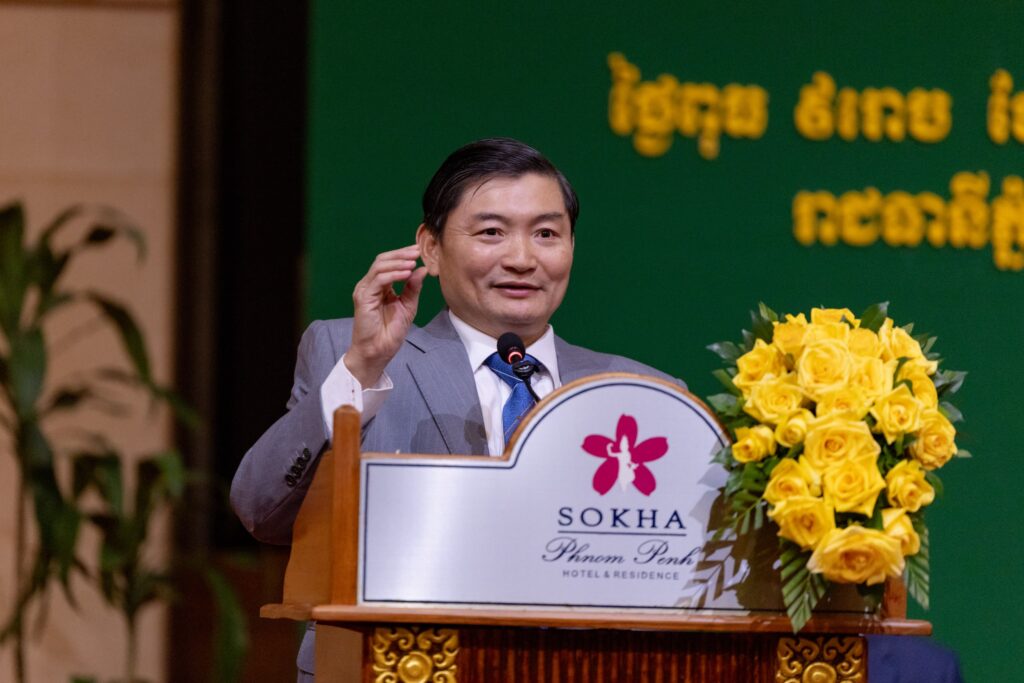
Cambodia is in the final stages of preparing to enact a comprehensive Occupational Safety and Health (OSH) law, aligned with the standards of the International Labour Organization (ILO). On August 8th, a tripartite consultation meeting was held, where representatives from the government, workers, and employers convened to finalize the draft legislation. The meeting, presided over by Minister of Labour and Vocational Training, H.E. Heng Sour, took place at the Sokha Phnom Penh Hotel, bringing together approximately 200 participants from relevant ministries, national and international partner organizations, employers, and employees to gather input and further refine the bill. Minister Heng Sour emphasized the Cambodian government's high commitment to promoting worker safety and health. He outlined the implementation of the Labour, Social Security and Vocational Training Development Strategy Plan 2024-2028 and the third Master Plan on OSH for 2023-2027. These initiatives aim to foster a safety culture in workplaces, moving towards the vision of "establishing proper OSH management systems in all workplaces to eliminate occupational accidents and diseases." The draft law, according to the Minister, consolidates over 20 existing decrees and legal documents. It directly and promptly addresses the government's commitment to achieving high labor productivity, enhancing international economic competitiveness, and promoting national economic growth. He noted that Cambodia is following the lead of other ASEAN nations that have already adopted similar laws. The future enactment of this law will demonstrate Cambodia's will to ensure OSH compliance with global trends and international labor standards, particularly in promoting the monitoring of human rights and environmental due diligence (HREDD) related laws. The Minister reiterated the importance of the tripartite mechanism, stating that good and comprehensive laws emerge from tripartite dialogue with equal, open, and honest participation. The second national consultation was described as a significant step forward in re-examining key points that have been revised and collectively agreed upon, assessing their coherence with economic changes, the balance between worker protection and employer burdens, and their alignment with ILO international standards, especially Conventions 155 and 187. He urged participants to embrace constructive criticism and engage in discussions based on data, evidence, and technical expertise to find common ground. The Minister recommended that the workshop review specific articles and legal language, clarify inter-ministerial responsibilities, and delegate detailed provisions to sub-decrees. He advised that the law itself should focus on fundamental principles, main obligations, and general frameworks. Mr. Tun Sophann, National Coordinator of the ILO in Cambodia, H.E. Oknha S. Kinal, Vice President of the Federation of Employers and Associations of Cambodia, and Mr. Ly Vichet, President of the Confederation of Unions of Cambodia and Vice Chairman of the National OSH Committee, expressed their support and gratitude to the government and the Ministry of Labour for developing this crucial draft law and providing a platform for stakeholder discussions. They highlighted that this demonstrates increased attention to worker safety and health, reflects ILO values, boosts international competitiveness, and contributes to the "One Enterprise, One Peaceful Community" movement. Source: Kampuchea Thmey Local

多角的分析

経済的影響

カンボジア経済は、縫製業や観光業などの労働集約型産業に大きく依存しており、これらの産業における労働者の安全衛生は生産性や国際競争力に直結する。ILO基準に準拠した法律の施行は、労働災害の減少、医療費負担の軽減、そして労働者の士気向上を通じて、長期的な経済成長の基盤強化に寄与すると考えられる。特に、国際市場での評判やサプライチェーンにおけるESG(環境・社会・ガバナンス)要件への対応が重要視される中、この法律はカンボジア製品の品質と信頼性を高める一助となるだろう。

投資家心理

投資家にとって、労働安全衛生法の強化は、事業運営におけるリスク低減要因となる。労働災害による生産停止、補償コストの増加、訴訟リスクなどを回避できるため、より安定した事業環境が期待できる。特に、アパレル、建設、製造業といった労働集約型産業に投資する海外投資家は、ILO基準への準拠を重視する傾向があるため、この法整備はカンボジアへの直接投資を促進する可能性がある。ただし、法執行の厳格さや、中小企業への適用・支援体制が今後の課題となる。

社会的影響

この法律の施行は、カンボジア国内の労働者、特に製造業や建設業に従事する数百万人の生活に直接的な影響を与える。これまで十分な安全対策が講じられてこなかった職場での労働災害や職業病のリスクが低減され、労働者の健康と安全が向上することが期待される。また、雇用主側も、労働者の安全確保への投資を通じて、より健全な労使関係を構築し、生産性の向上につなげることが求められる。地域社会においては、労働災害による家計の破綻リスクが減少し、より安定した生活基盤が築かれることが望まれる。

市民の声

カンボジア市民、特に工場労働者や建設作業員にとって、この法律は長年の懸念事項であった職場の安全を守るための大きな一歩となる。これまで、劣悪な労働環境や事故による怪我、健康被害に苦しんできた人々にとって、法的な保護が強化されることは希望となる。しかし、法律が制定されたとしても、その実効性を確保するためには、労働者自身が権利を理解し、声を上げられる環境が不可欠となる。また、労働災害や病気で収入を失った家族への支援体制も、市民生活の安定には重要である。

背景・歴史的文脈

カンボジアにおける労働安全衛生の課題は、長年にわたり指摘されてきた。特に、急速な経済成長に伴い、縫製工場や建設現場などで労働災害が多発し、ILOなど国際機関や人権団体から改善を求める声が上がっていた。過去には、ILO第155号(労働安全衛生条約)や第187号(労働安全衛生促進条約)などの国際条約への批准が進められてきたが、国内法としての具体的な整備が遅れていた。2023年3月には、ILOの専門家チームがカンボジアを訪問し、OSH法案策定に向けた技術支援を提供。今回の三者協議会は、こうした国際的な流れと、国内の労働者、雇用主、政府の利害を調整し、実効性のある法律を制定するための重要なプロセスである。

原文ソース

Kampuchea Thmey Local

原文を読む