General articles are free for 24 hours after publish.
Indonesia's Luxury Resort Targets Wealthy Vietnamese Tourists
Indonesia's Bawah Reserve, a luxury resort targeting the wealthy, is positioning itself as an alternative to the Maldives. With its focus on nature and privacy, it aims to attract affluent travelers, including those from Vietnam seeking exclusive experiences.
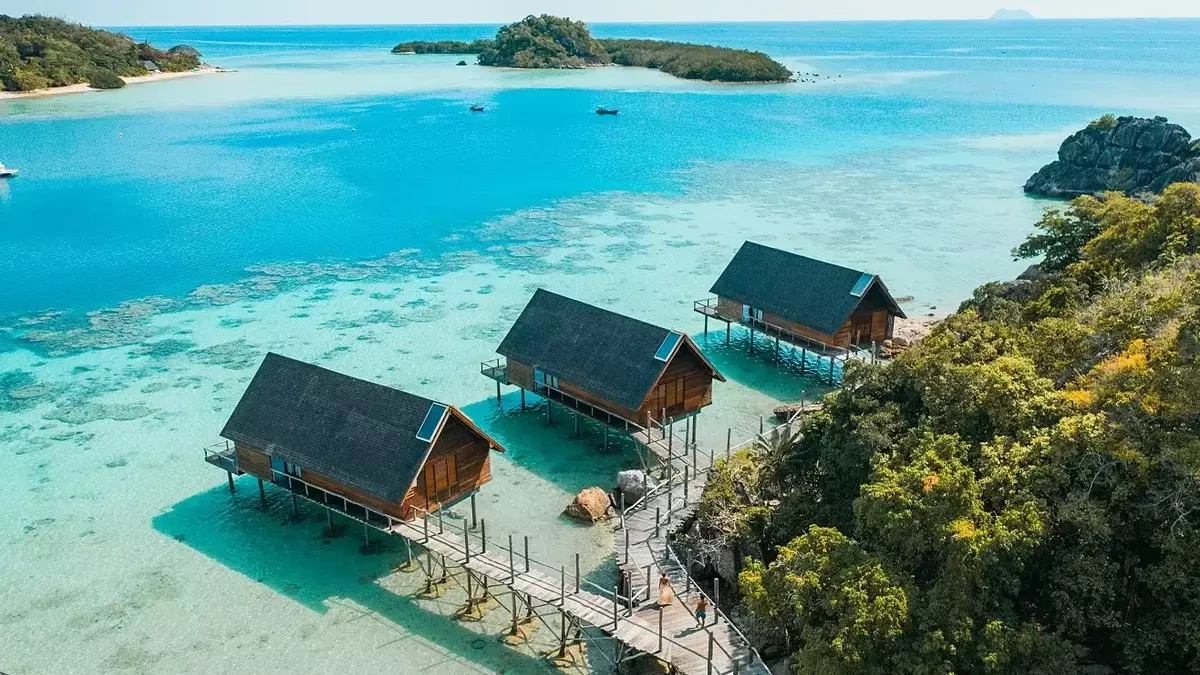
Indonesia's Bawah Reserve, a luxury resort built for wealthy travelers who are "tired of the Maldives," is setting its sights on attracting affluent individuals, particularly from Vietnam, seeking exclusive experiences. Spanning six islands in Indonesia's Anambas archipelago, Bawah Reserve offers 36 villas, catering to a clientele that values secluded natural environments over passive relaxation. The resort emphasizes a luxurious experience intertwined with nature exploration, rather than just staying in bungalows. Before their trip, guests are informed of a strict 15 kg baggage limit. Excess luggage must be left behind at nearby Batam Island. This regulation stems from the use of small seaplanes with a capacity of about 10 people, requiring tight control over weight and balance. Ground staff weigh both passengers and their luggage before takeoff. The journey to Bawah begins in Singapore. After landing at Changi Airport, guests spend a night before being transferred by resort vehicles to the ferry terminal. Following immigration procedures, they take a ferry to Batam Island, where they are transported to Hang Nadim Airport to board one of the resort's two seaplanes. Approximately 75 minutes later, the seaplane lands on the water next to a small jetty. Guests are greeted with cold towels and then escorted to their villas by a personal butler. Each villa has a wooden plaque engraved with the guest's name. To minimize the need for guests to pack extensively, Bawah provides essential items such as sunscreen, shampoo, cotton swabs, bathrobes, sun hats, and beach towels. The resort offers Wi-Fi and private phones for guests to contact the reception. Standard room rates start at $1,980 per night, which includes three meals and one spa treatment. Guests can opt for a private beachfront dinner for an additional $1,000. Due to the lengthy travel time, a minimum stay of three nights is required. The most exclusive accommodation is the four-bedroom villa with a private infinity pool, priced at around $12,300 per night during peak season. Guests can also rent an entire island within the resort, complete with a dedicated service team. Paul Robinson, Chief Operating Officer of Bawah Reserve, describes the destination as being for travelers "tired of the Maldives." While Maldivian resorts often focus on the experience of staying in overwater bungalows, Bawah Reserve aims to attract guests who wish to combine relaxation with activities like snorkeling, coffee tasting, and perfume making. The resort's design emphasizes understated luxury. Bathtubs are made from local Indonesian wood, and bedrooms feature silk-covered beds and ceiling fans, eschewing ostentatious details like gold-plated faucets or designer-branded linens. A week before arrival, guests are asked to provide information about their habits and food allergies. This data is used by staff to personalize services, from beverages to in-room snacks. Meals primarily feature local ingredients, especially seafood, accompanied by house-made kombucha or juices. Twice a week, the beachfront restaurant transforms into an Indonesian-style open-air market, offering guests a deeper cultural immersion. Bawah Reserve champions the concept of "barefoot luxury," where sophistication is conveyed through privacy, personalized service, and a close connection to nature, rather than overt displays of wealth. The management suggests that guests only need a sarong and swimwear for their stay.
Original source
VnExpress