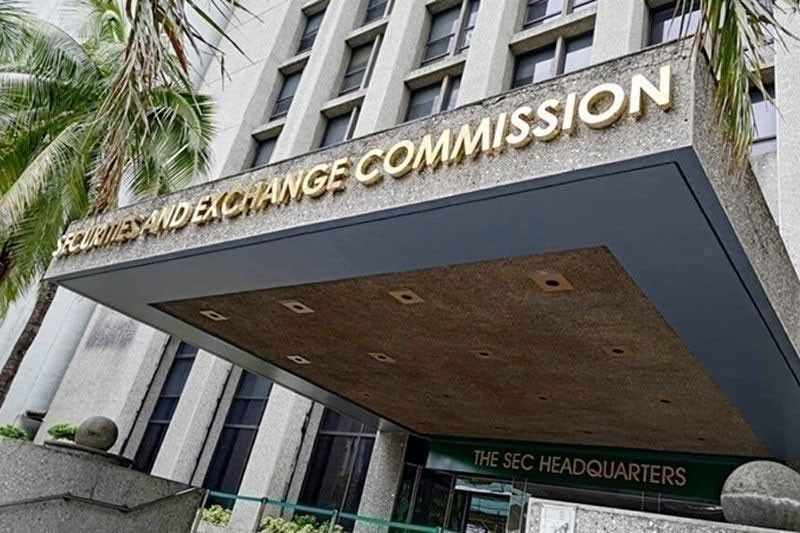
Philippines Eyes Consumer Data Commission Under Open Finance Bill
A proposed Open Finance bill in the Philippines aims to expand financial inclusion by allowing individuals without traditional banking history to use alternative data for credit evaluation. The bill also seeks to establish a Consumer Data Commission to oversee its implementation.
This article requires PRO
This article is outside the free access window or is a special report. PRO unlocks it and the full archive.
Related articles
- Ex-Info Officer Claims NBI Agents Offered Cash, Forbes Park Stay
Former Davao City Information Officer Jefry Tupas claims National Bureau of Investigation (NBI) agents offered him cash and accommodation. This comes amid allegations of cash deliveries to the Vice President by a dismissed policeman. Tupas reportedly declined the offers.
- Sara, Rodrigo Duterte joint account used for P16-M manager's check to Sammy Uy — witness
A joint bank account under the names of Vice President Sara Duterte and former president Rodrigo Duterte was used to purchase a P16-million manager's check payable to businessman Sammy Uy, a bank official testified during the vice president's impeachment trial. The transaction, which allows funds to be removed from account balances, drew questions from lawmakers.
- Probe into Gracioso claims must push through despite politicking accusations, Palace says
The Philippine Presidential Palace stated that the investigation into claims by former police officer Rodulfo Gracioso Jr. of delivering P2 billion to Vice President Sara Duterte will continue, despite accusations of politicking. Gracioso claims he delivered the money under instructions from a former House Speaker.
- PLDT Defers VITRO REIT IPO to 2027 Amid Market Headwinds
Philippine telco giant PLDT has postponed its planned Initial Public Offering (IPO) for its data center Real Estate Investment Trust (REIT) from its initial target to 2027, citing unfavorable market conditions and higher interest rates. The decision impacts the company's debt reduction plans.