Preah Vihear Temple Marks 18 Years as UNESCO Site Amidst Scars of Thai Shelling
Cambodia celebrated the 18th anniversary of Preah Vihear Temple's UNESCO World Heritage listing, acknowledging the severe damage from Thai military shelling in 2025. While restoration efforts continue, the focus remains on protecting the cultural heritage and rebuilding the lives of displaced residents.
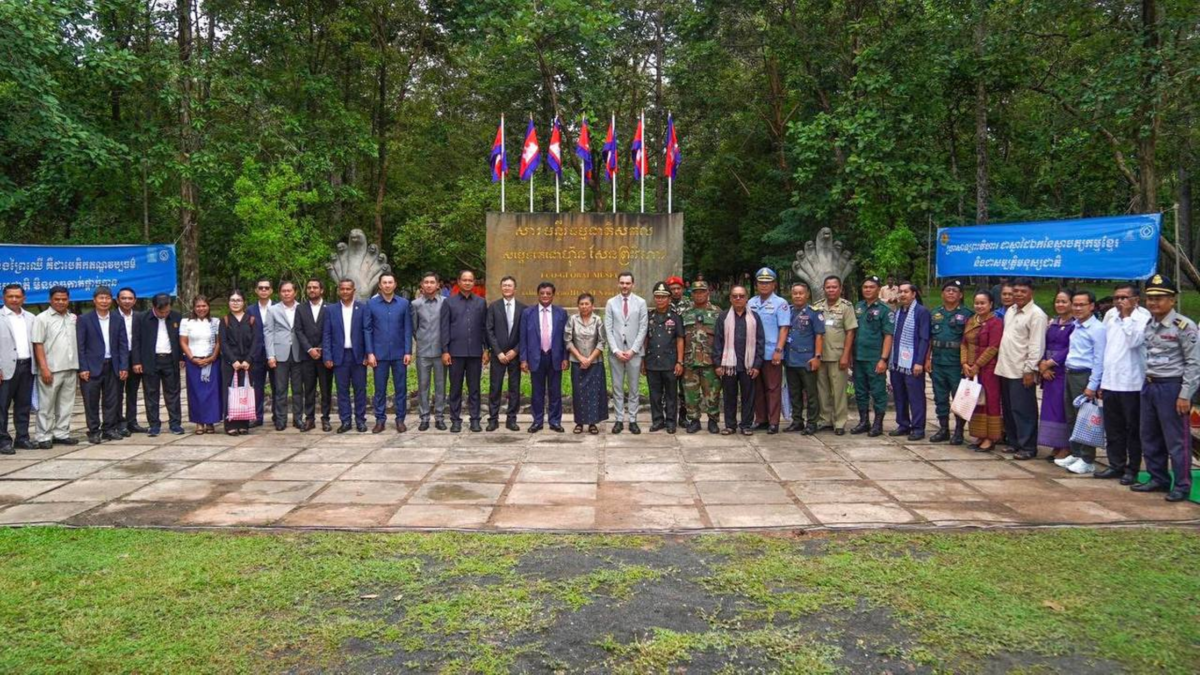
Senior Cambodian officials and UN representatives marked the 18th anniversary of Preah Vihear Temple’s listing as a UNESCO World Heritage site on June 5. However, the occasion was also marked by a somber remembrance of the damage inflicted upon the monument and its surroundings by Thai military shelling in December 2025. The ceremony, themed “Conservation, Destruction and Restoration,” took place at the Samdech Techo Hun Sen Preah Vihear Eco-Global Museum. Attendees included Minister of Culture and Fine Arts Phoeurng Sackona, Preah Vihear provincial governor Kim Rithy, director-general of the National Authority for Preah Vihear (NAPV) Kong Puthikar, and Flavio Bonetti, head of the UNESCO Office in Cambodia. Diplomatic representatives from members of the International Coordinating Committee for Preah Vihear (ICC-Preah Vihear) and approximately 800 members of the public also joined. Preah Vihear Temple was inscribed on the World Heritage List on July 7, 2008. The listing initially triggered dissatisfaction from Thailand, leading to armed clashes and a subsequent request for a re-interpretation of the original 1962 judgment. The International Court of Justice (ICJ) ultimately reaffirmed that the temple, and its surrounding promontory, belong to Cambodia. According to an NAPV press release, the ceremony recalled the “grave destruction” caused by the Thai military. The attacks reportedly wiped out years of conservation work, resulting in severe damage to 562 specific locations within the temple complex and forcing approximately 16,000 people to flee their homes within the World Heritage zone. The 2025 attacks also devastated civilian infrastructure, including homes, schools, health centres, pagodas, and other public facilities. Governor Rithy highlighted ongoing efforts to manage safety centres and provide essential services to displaced persons. He noted that the provincial administration has organised long-term housing for residents who are still unable to return to their original villages. The NAPV has been following the recommendations of UNESCO and ICC-Preah Vihear experts. These tasks include clearing landmines, unexploded ordnance (UXO) and cluster bombs, while stabilising and reinforcing temple structures to prevent further collapse. Specialists are collecting and storing stone fragments and carvings for future conservation and repair, conducting a full 3D documentation of the temple and restoring ancient hydraulic (water management) systems. The NAPV stated that its immediate priorities include continuing temple repairs, restoring the forests and ecosystems within the heritage zone, reviving tourism, and improving community livelihoods. Furthermore, the event aimed to awaken a spirit of national solidarity among civil servants, armed forces, and the public, to jointly protect this ancestral heritage. The culture minister reiterated the government’s commitment to defending territorial integrity and cultural property, in accordance with international law. She vowed that conservation and restoration efforts would continue to ensure Preah Vihear remains a legacy for future generations.
多角的分析
タイ軍による砲撃は、プレアビヒア寺院周辺のインフラ、特に住宅、学校、保健センター、仏教寺院などの公共施設に壊滅的な被害を与えた。これは地域経済の基盤を揺るがし、観光業の回復を遅らせる要因となる。遺産区域内の森林や生態系の再生、地域住民の生活向上といったNAPVの優先事項は、経済復興への直接的な取り組みであり、長期的な視点での投資と支援が不可欠となる。
プレアビヒア寺院周辺のインフラ被害とそれに伴う避難民の存在は、短期的な投資リスクを高める。しかし、ユネスコと連携した保全・復旧活動の進展は、中長期的な観光資源としての価値を高める可能性を秘めている。地雷除去や構造補強といったインフラ整備は、観光客の安全確保に繋がり、将来的な観光客誘致に貢献すると考えられる。投資家は、政府の復興計画と国際機関の支援状況を注視する必要がある。
2025年のタイ軍による砲撃は、プレアビヒア寺院という文化的象徴への攻撃であると同時に、約1万6000人の住民を避難させるという人道危機を引き起こした。住民は住居、学校、医療施設といった生活基盤を失い、長期的な住居確保や生活支援が課題となっている。地域社会の連帯感を醸成し、祖先の遺産を守るという式典の目的は、被災した住民の精神的な支えともなり得るが、具体的な生活再建支援が伴わなければ、その効果は限定的となるだろう。
プレアビヒア寺院周辺の住民は、タイ軍による砲撃で家屋や学校、医療施設を失い、生活基盤を破壊された。1万6000人もの人々が避難生活を強いられ、中には元の村に戻れない者もいる。政府は長期的な住居確保を進めているが、失われた生活やコミュニティの再建には時間がかかる。寺院の復旧と並行して、住民一人ひとりの生活再建への具体的な支援が求められている。
背景・歴史的文脈
プレアビヒア寺院は、カンボジアとタイの国境紛争の象徴的な場所であり、両国間の緊張の火種となってきた。2008年のユネスコ世界遺産登録は、タイ国内で反発を招き、2011年には両軍が衝突する事態に発展した。国際司法裁判所(ICJ)は2013年、寺院周辺地域がカンボジアに属すると最終判決を下したが、両国間の国境画定問題は依然として完全には解決していない。2025年12月のタイ軍による砲撃は、この長年の対立と、紛争が文化遺産や民間インフラに与える深刻な影響を改めて浮き彫りにした。
原文ソース
Phnom Penh Post