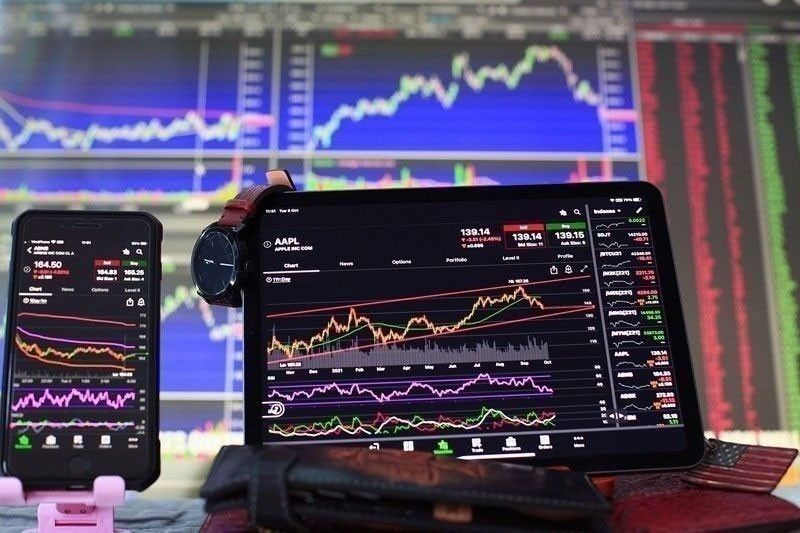
Philippine Stocks Decline Amid Middle East Tensions, Cautious Trading
The Philippine stock market fell for a second consecutive session due to concerns over the Middle East conflict. Investors maintained a cautious trading stance, wary of potential oil price hikes, leading to a significant drop in overall trading volume.
This article requires PRO
This article is outside the free access window or is a special report. PRO unlocks it and the full archive.
Related articles
- TESDA Warns of 230,000 Scholarship Slot Cuts in 2027 Due to Budget Slash
The Technical Education and Skills Development Authority (TESDA) in the Philippines has warned that approximately 230,000 scholarship slots may become unavailable in 2027 due to significant cuts in its proposed budget, raising concerns about the impact on the agency's skills development programs.
- Uswag Ilonggo Rep. Jojo Ang pleads not guilty in graft case
Philippine lawmaker James “Jojo” Ang Jr. pleaded not guilty to charges of graft. The Uswag Ilonggo representative personally entered his plea during arraignment and pretrial proceedings.
- PEZA Nears P300 Billion Investment Goal Amid Surge
The Philippine Economic Zone Authority (PEZA) is nearing its P300 billion investment target for the year, with investment approvals surging 92% to P297.14 billion from January to September. This encompasses 222 projects expected to generate $8.95 billion in exports and create 33,331 direct jobs.
- Philippine Stocks Tumble on Soaring Inflation
The Philippine stock market plunged after the country's September inflation rate hit a three-year high of 7.2 percent. Concerns over potential additional interest rate hikes by the central bank weighed on investor sentiment.